Dealer Recall Profit: How Service Departments Cash In on Safety Campaigns
Every recall notice that lands in a customer's mailbox is also a revenue opportunity for the dealership. The concept of dealer recall profit is simple: when a vehicle comes in for a safety fix, the service department gets paid for labor and parts — often at rates well above what the job actually costs. The automaker reimburses the dealer for warranty work, but the reimbursement structure leaves room for markup. That's where the profit lives.
Here's what we know — and here's what we don't. We know that the factory sets a standard labor time and parts allowance for each recall. What we don't always see is how dealers can amplify their margin on those fixed-price jobs. The dealer recall profit margin depends on how efficiently the shop completes the work and how aggressively it upcharges on ancillary services.
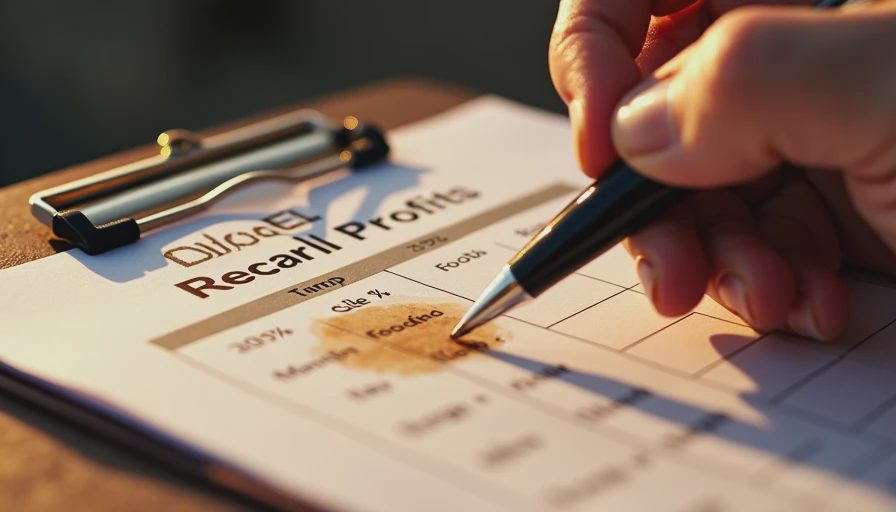
How Recalls Create Revenue Streams
A recall isn't just a cost center for a dealer — it's a guaranteed traffic driver. Customers who might never step into a service bay suddenly have a reason to come in. Once the vehicle is on the lift, the technician can inspect for other issues. That inspection often leads to additional paid repairs, which are pure profit on top of the recall work. The dealer recall profit model therefore includes both the warranty job and the upsell.
Many dealers also charge a documentation fee or environmental fee on recall work, even though those costs are typically covered by the automaker's reimbursement. Those small line items add up. For a high-volume dealer running dozens of recall jobs per week, the extra fees alone can represent a significant portion of the dealer recall profit total.
The Parts Markup Engine
Parts markup is the biggest lever in dealer recall profit. The automaker provides a list of approved parts and a suggested retail price. Dealers often source parts at a discount from the factory or aftermarket suppliers, then charge the customer or warranty the full list price. The difference between cost and reimbursement is profit.
On a single recall, the parts markup might be modest — $20 to $50. But when you multiply that by the thousands of recalls a mid-size dealer processes annually, the numbers become real. A dealer recall profit calculation that includes parts markup can easily add six figures to the bottom line. Some dealers have been known to over-order parts and bill for more than they use, though such practices risk audit penalties.

Labor Rates and Warranty Work
Labor rates are another contributor to dealer recall profit. Automakers pay a fixed labor time for each recall — say, 0.8 hours for a software update or 2.5 hours for an airbag replacement. The dealer's tech might complete the job in half that time. The dealership bills the factory for the full allotted time but pays the tech only for actual hours worked. The difference is retained by the dealer.
That efficiency gap is a legitimate and well-known profit source. High-performing shops can crank through recalls faster than standard times, and the entire margin flows directly to the dealer recall profit line. This is not necessarily shady — it rewards efficiency. But it does mean that the manufacturer's reimbursement often overpays relative to the actual cost of labor.
The Consumer Perspective
For consumers, dealer recall profit means that every recall visit comes with a built-in incentive for the dealership to upsell. Technicians are trained to find additional needed repairs — and sometimes optional ones. The customer who comes in for a free recall fix may leave with a $500 brake job they didn't expect.
Transparency varies. Some dealers clearly separate recall work from paid services; others blur the line. Consumers should always ask for a written estimate before authorizing any non-recall work. Understanding the dealer recall profit dynamic helps car owners make informed decisions. They are not obligated to have additional services done at the dealership — independent shops often charge less for the same work.
What the Numbers Say
Reliable data on dealer recall profit is scarce because dealers don't publicly break out recall revenue. But industry estimates suggest it can account for 10-20% of a dealer's service department gross profit in a heavy recall year. For a dealership doing $5 million in annual service revenue, that could mean $500,000 to $1 million from recalls alone.
Some automakers have begun tightening reimbursement formulas to recapture some of that margin. Others are pushing flat-rate parts pricing. But for now, dealer recall profit remains a significant, largely uncapped revenue source. The key takeaway: recalls are not just safety actions — they are business events with financial implications for dealers and consumers alike.
Frequently Asked Questions About Dealer Recall Profit
Q: Is the recall repair really free for me?
A: Yes, the manufacturer covers the cost of parts and labor for the specific recall issue. But that doesn't stop the dealer from offering other services. Dealer recall profit depends partly on how many extras you approve.
Q: Can I refuse the upsells without losing the recall fix?
A: Absolutely. Federal law requires the dealer to complete the recall work at no charge regardless of any other repairs you decline. You can always get a second opinion elsewhere.
Q: How much does the dealer actually make on a typical recall?
A: It varies by job. A simple software update might net the dealer $30–50 in profit after paying the tech. A complex airbag replacement could yield $150–300, especially with parts markup.
Q: Should I avoid the dealer for recall work to save them profit?
A: Not necessarily. Dealers are the primary authorized repair centers. Independent shops cannot perform recall work for free. The profit is built into the system; your best move is to stay informed and cautious.
In the end, dealer recall profit is a feature of the current recall system, not a bug. It's worth understanding whether you work in the industry or just drive a car that might get recalled.


Travellers Write
No letters yet — be the first traveller to write.