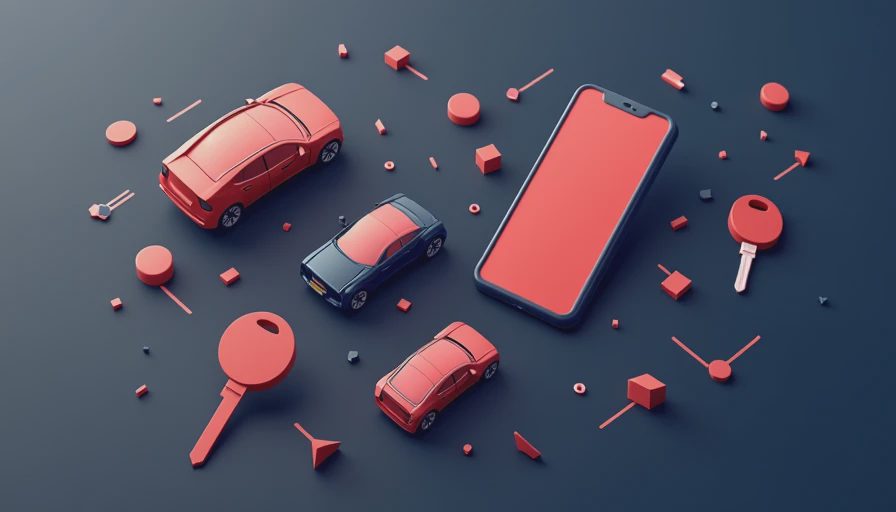
Digital car keys are replacing traditional fobs and physical keys at a steady pace. Automakers like BMW, Hyundai, and Tesla now offer smartphone-based digital car keys that let drivers lock, unlock, and start their vehicles using an app or wallet pass. This shift isn't just about convenience—it's starting to reshape how insurers assess risk and calculate premiums. According to a 2024 survey by the Car Connectivity Consortium, nearly 40% of new car buyers consider digital key support an important feature when purchasing a vehicle. That's a signal the insurance industry can't ignore.
How Digital Car Keys Work
Most digital car keys use near-field communication (NFC) or ultra-wideband (UWB) technology to communicate with the vehicle. Android and iOS devices can store a car key in their digital wallet, allowing the phone to act as the key. Some systems work even when the phone's battery is dead, thanks to a reserved power reserve. The technology is standardized through the Car Connectivity Consortium, meaning more automakers are adopting it each year. For insurers, this matters because digital car keys can be shared temporarily with family members or friends, tracked, and revoked remotely—capabilities that physical keys cannot match. This creates a digital footprint that risk models can use.

Security Concerns and Insurance Implications
Digital car keys introduce both security benefits and new vulnerabilities. On the plus side, lost phone? You can remotely disable the digital car key from another device. That reduces the risk of car theft after a lost key incident. However, smartphone theft or hacking could give a thief access to the car if the phone isn't secured. Insurers are paying close attention. Some carriers are already adjusting their underwriting to account for the security features of digital car keys. For example, vehicles that support UWB—which is more resistant to relay attacks than Bluetooth—may qualify for lower theft-related premiums. On the other hand, if a car only supports NFC and lacks robust security, the risk profile might be neutral or slightly negative. Another angle: usage-based insurance (UBI). Digital car keys generate data about when and how the car is used. Some insurers are piloting programs that integrate digital car key data to verify mileage, driving hours, or even who is behind the wheel. That could lead to more personalized rates. But it also raises privacy questions that the industry is still working through.
Potential Discounts and Premium Adjustments
So can you save money by using digital car keys? Not directly, but indirectly. A few insurers offer small discounts for vehicles equipped with advanced anti-theft technology like digital car keys with UWB. The discount is often modest—around 5 to 10 percent on the comprehensive portion of the premium. More significant savings could come from sharing keys digitally. If you have a teenager, you can give them a digital car key with restrictions—no driving after 10 p.m., for instance. An insurer that monitors such usage could offer a safe driver discount. It's early days, but the trend is clear: digital car keys create a digital footprint that insurers can use to assess risk more precisely. Some companies are also exploring loyalty programs tied to digital car key usage, rewarding safe driving behavior with lower rates.
The Future of Digital Car Keys
The adoption of digital car keys is accelerating. Apple CarKey, Google's Digital Car Key support, and automaker-specific apps are becoming standard features on new models. By 2027, most new vehicles sold in the U.S. are expected to include at least a basic digital key function. For insurers, this means a richer data set for pricing. It also means potential friction points: what happens if a phone dies and the driver has no backup? Insurers may need to adjust roadside assistance coverage to account for digital key failures. Some companies are already preparing for a world where the physical fob is optional. Here's what we know—and here's what we don't. We know that digital car keys are here to stay and will influence insurance in the next few years. We don't yet know how quickly regulators will adapt or whether data privacy laws will limit insurers' use of the data. What's clear is that any driver buying a new car today should check whether it offers digital car keys and ask their insurer if there's a discount. The technology is maturing fast, and early adopters could see real savings.
How to Talk to Your Agent About Smartphone Key Discounts
If your car supports phone-based keys, you might be missing out on insurance savings if you don't ask the right questions. First, ask your agent whether your insurer considers ultra-wideband digital key technology as an anti-theft device. Some companies offer a discount of 5 to 10 percent on comprehensive coverage for vehicles with advanced security features. Second, find out if your insurer offers a usage-based program that can integrate with the data from your digital key system, such as mileage or time-of-day usage. This could lead to lower rates for low-mileage drivers. Third, if you have a teen driver, check if you can set restrictions through the digital key app and whether that qualifies for a safe driver discount. Fourth, ask about roadside assistance coverage for digital key failures—some policies may cover lockouts caused by a dead phone battery. Finally, see if bundling a car with digital key capabilities with your home or renters policy gives you an additional discount. Taking these steps can help you leverage the technology and potentially reduce your premium. Insurers are still catching up, so it pays to be an informed consumer. A quick conversation could reveal savings you didn't know existed. Don't wait until after you purchase the vehicle—ask about discounts early.


Travellers Write
No letters yet — be the first traveller to write.