Driver distraction is one of those problems that looks small in the moment and expensive on the invoice. A glance at a screen, a coffee spill, or a quick argument with the navigation app can turn a routine commute into a claim, a ticket, or both. For insurers, the issue is less about drama than repetition: small mistakes stack up, and they tend to show up in rear-end crashes, lane departures, and low-speed parking lot damage. Here's what we know — and here's what we don't.
Why driver distraction keeps showing up in claims
The pattern is boring, which is exactly why it keeps happening. At 45 mph, a three-second glance covers roughly 200 feet, and that is enough time to hit a bumper, miss a brake light, or drift onto the shoulder. Infotainment screens are better than they were 10 years ago, but they also give drivers more reasons to look away. So do lunch, kids in the back seat, and the habit of checking a text at every red light. That is why driver distraction is now baked into the way adjusters read a loss report.
It is not just a teen-driver story either. Older drivers, delivery drivers, and commuters with long interstate routines rack up the same kind of small mistakes. A clean driving record can get dented by one bad minute. Once that happens, the next renewal can move north by hundreds of dollars a year, especially if the crash is marked at-fault.
What insurers actually notice
Most carriers do not need a confession. They look at the police report, repair estimates, witness statements, and the pattern behind the file. One rear-end claim is one thing. Two in 18 months is a different conversation. Ticket history matters too, especially if there is a handheld-phone citation or a moving violation tied to a crash. Telematics programs such as Progressive Snapshot, Allstate Drivewise, and State Farm Drive Safe & Save do not label every event as driver distraction, but they do build a useful picture of how a person actually drives.
Hard braking, rapid acceleration, night driving, and lots of miles can all move the score. Sometimes that helps a careful driver win a discount. Sometimes it exposes a habit that was easy to ignore when nobody was measuring it. That is the part most people miss: the app is not moral judgment, just a spreadsheet with a better memory than most of us.
The cheapest fixes that work
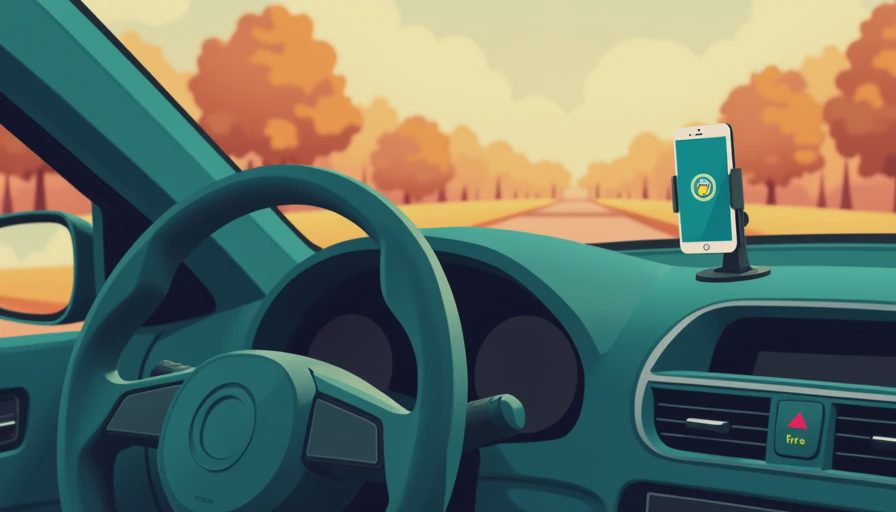
Cheap fixes beat expensive apologies. Put the phone in Do Not Disturb before the car moves, set the route before you roll, and kill the urge to poke at the screen at every stoplight. If you need music, load the playlist first. If you need coffee, use a lid that actually seals. A driver who removes the easy distractions usually removes the biggest claim trigger too. That is where driver distraction becomes expensive before the metal is even bent.
For fleets, the playbook is more formal. Many companies ban handheld use, set dispatch windows so drivers are not juggling messages at speed, and use dash cams to settle disputed merges or parking-lot taps. The camera does not stop a crash, but it can shorten the argument afterward. That matters when one incident can affect both the repair bill and the carrier's view of the account.
How to talk to your insurer without overexplaining
If you get a ticket or a claim, keep the story tight. Date, time, location, speed, weather, and damage are the facts that matter. A long explanation about a quick glance often sounds worse than the report itself. Give the insurer clean information and stop there. If a telematics app is part of the policy, ask how the score is built and when discounts are applied. Some programs reward smoother braking and fewer night miles with savings that can reach 5% to 30% over time; others are mostly data collection with a friendly logo.
That tradeoff is the point. If the app helps you cut a premium and improve habits, fine. If it turns into a reminder that you drive like everyone else in traffic and sometimes worse, that is useful too. The file is the file. Better to know it early than discover it at renewal.
A practical insurance playbook for the next 12 months
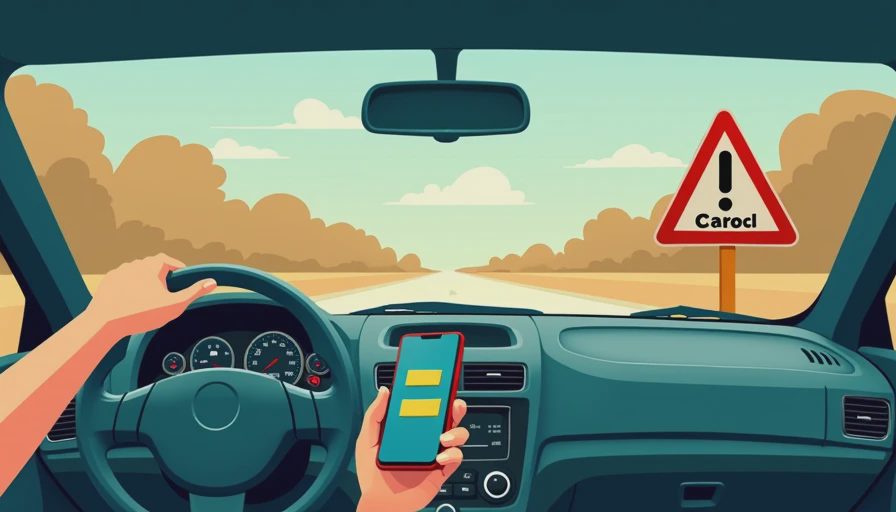
The next 12 months are about boring discipline. Kill notifications, clean out the cabin, and set the first few miles of your commute on autopilot in your head, not on the screen. If a ticket or claim has already moved your rate, get quotes from Geico, Progressive, State Farm, and Allstate, then compare the underwriting notes as closely as the price. Different carriers punish the same loss in different ways, and a clean switch can save real money.
If you drive a lot, a dash cam can pay for itself after one disputed hit-and-run or parking-lot scrape. If you drive less than average, ask whether usage-based or pay-per-mile coverage makes more sense than a flat rate. Either way, the fix is the same: stop driver distraction from becoming the reason your next renewal reads like a bad news memo.


Travellers Write
No letters yet — be the first traveller to write.