A Ford recall check is the fastest way to find out whether your vehicle is tied to an open safety campaign, and the result matters more than the paperwork crowd usually admits. If the VIN comes back clean, good. If it does not, the repair is usually free at a Ford dealer, but the timing can still be a mess if parts are short. Here’s what we know — and here’s what we don’t.
What the Ford recall check actually tells you
The headline result is simple: the VIN is either linked to an open recall or it is not. That is the part most owners care about, because a recall is a safety action, not a routine maintenance note. A technical service bulletin is different. A TSB tells a dealer how to fix a known issue, but it does not automatically mean the vehicle is under a safety recall.
A Ford recall check will usually point you to the campaign number, the affected component, and whether the repair is still open. The Ford owner site and the NHTSA VIN lookup should agree on the basics, though the dealer’s service system is the final word on whether the fix has been recorded. If you are looking at a used F-150, Explorer, Escape, Bronco Sport, or Mustang Mach-E, this is the first screen I would open before I even start talking price.
How to run it without wasting time
A Ford recall check starts with the VIN, and not the dealer’s stock number, the license plate, or whatever the seller remembers from the glove box. The VIN is 17 characters long and shows up on the dash near the windshield, on the driver door jamb, and on registration paperwork. If you are checking a company fleet truck or a recently bought used vehicle, verify the VIN twice before you enter it. One wrong character and you are looking at the wrong history, which is a classic waste of ten minutes.
Use both the Ford owner portal and the NHTSA recall lookup if you want the cleanest read. That gives you two views of the same problem: the automaker’s record and the federal safety database. If the vehicle changed hands, the recall still follows the VIN, not the owner. That is the whole point of the system, which is useful right up until you are standing in a service lane trying to remember whether the previous owner actually brought the truck in.
What an open recall means at the dealer
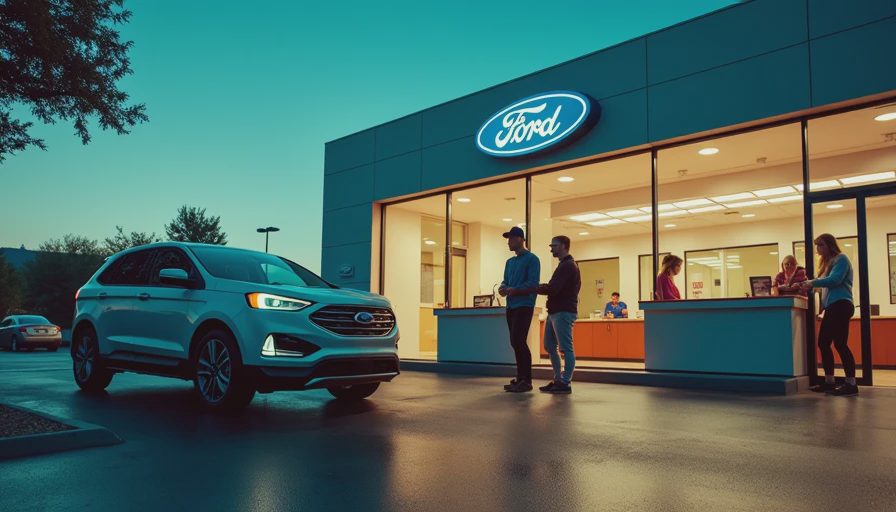
When the Ford recall check shows an open recall, the next move is usually a dealer appointment, and that repair should be done at no charge. The federal safety rules are clear on that part. What they do not promise is speed. A software update can be quick. A latch, camera module, steering part, or battery-related hardware fix can take longer, especially if the dealer has to order parts or work through a backlog.
This is where people get impatient in the wrong direction. The open recall itself is not the mystery; the bottleneck is almost always supply, scheduling, or both. If the dealer says the part is backordered, ask for the campaign number and get a written estimate of when they expect inventory. Some dealers will offer a shuttle, a loaner, or a pickup-and-drop-off option, but that is policy and capacity, not a universal guarantee. If your vehicle is disabled or unsafe to drive, tell the service advisor that up front and do not try to tough-guy your way through it.
Why recall status matters at resale and insurance time
A Ford recall check is not just for people who plan to fix the car tomorrow. Used-car buyers look at open recalls before they sign, and so do dealers taking a trade. An open recall can slow a sale, especially if the vehicle needs a part that is not sitting on a shelf. That does not mean the car is worthless; it means the buyer has leverage, and the seller should expect some questions.
Insurance is a different lane. A recall does not cancel a policy, and it does not turn a claim on or off by itself. But an owner who is waiting on recall work may want to look at deductibles, roadside assistance, and rental reimbursement before the car spends a week at the dealer. That is where the business side gets real. If you are already in the shop queue, it is a decent time to compare quotes, check whether your coverage still fits how you actually drive, and make sure the tow number is not buried in a trunk full of old oil-change stickers.
Reading the result like a grown-up
If the Ford recall check comes back open, do not stop at the headline. Read the affected part, the remedy, and the status notes. Some campaigns are simple software updates. Others involve inspection first and repair second. A few are the kind of fix that looks small on paper and turns into a long afternoon because a trim panel has to come off or a safety sensor needs recalibration.
If the result says completed, save a screenshot or print the page. That matters when you are selling the vehicle, buying it used, or answering a question from a dealer who cannot immediately find the record. If the result says no open recalls, run the lookup again before a long road trip or before you close a used-car deal. Databases get updated, and owners do not always get the memo at the same speed as the service department.

A quick owner checklist before you book service
Before you call the dealer, have the VIN ready, the recall number if you have it, and a realistic window when the car can sit for the repair. Ask whether the campaign is parts-limited, whether the dealer has the remedy in stock, and whether they can combine the recall visit with other work you were already planning, like an oil change or tire rotation. That is not about gaming the system; it is about avoiding two visits for one car.
If the Ford recall check turns up nothing, keep the result on file anyway. If it shows an open item, book the appointment and confirm the remedy before you drive across town. The fastest path is boring: VIN, lookup, dealer, repair, document it. That is not glamorous, but neither is standing in a service lounge arguing with a clipboard.
For shoppers, sellers, and anyone staring at a check-engine light while the recall status page is still open in another tab, the move is the same. Check the VIN, verify the status, and get the repair handled before the problem gets a chance to turn into a bigger bill.


Travellers Write
No letters yet — be the first traveller to write.