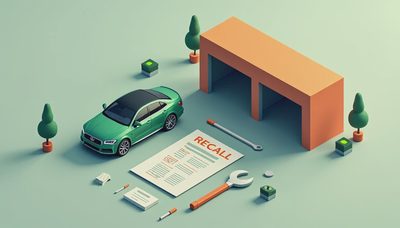
When the National Highway Traffic Safety Administration (NHTSA) issues a national vehicle recall, it's not a suggestion — it's a mandate. Here's what we know, and what you need to do. If you've received a recall notice in the mail, or if you've seen news of a national vehicle recall affecting millions of cars, the first step is not to panic. Recalls are common, and automakers are required to fix the problem at no cost to you. But acting quickly can mean the difference between a minor repair and a serious accident.
A national vehicle recall is a safety defect or noncompliance with federal standards that the automaker must address. NHTSA tracks these and alerts the public. In 2024 alone, there were over 1,000 recall campaigns affecting more than 30 million vehicles. From Takata airbags to engine fire risks, the scope can be massive. If your car is part of a national vehicle recall, you'll be contacted by mail. But you don't need to wait — you can check your VIN anytime on NHTSA's website.
What Triggers a National Vehicle Recall?
Recalls can be voluntary by the manufacturer or ordered by NHTSA after an investigation. Three common triggers: consumer complaints, manufacturing defects spotted during production, or data from field reports. For example, if brake failures become a pattern, NHTSA opens a probe. If a defect is found, a national vehicle recall is the result. Automakers are legally required to notify owners and provide a free remedy. However, not all recalls are equal — some are minor (a loose trim) while others are critical (steering or brake failures). The most serious are labeled "do not drive" — meaning the vehicle is unsafe until repaired.
Recent National Vehicle Recall Examples You Should Know
In 2025, we've already seen several high-profile recalls. Ford recalled over 200,000 F-150 trucks for a transmission issue that could cause unintended rollaway. Hyundai and Kia recalled nearly 500,000 vehicles due to fire risks from an antilock brake system fuse. And Tesla recalled almost 2 million vehicles (again) for an Autopilot software fix — though that one was handled over the air. Each of these was a national vehicle recall, meaning every registered owner gets notified. But as any Detroit beat reporter will tell you, the notification system isn't perfect. Second and third owners often miss the letter. That's why you should check your car's recall status regularly — even if you bought it used.
How to Check If Your Car Is Under a National Vehicle Recall
Checking is simple. NHTSA's VIN lookup tool (nhtsa.gov/recalls) is free and takes 30 seconds. Enter your 17-character VIN — you can find it on your registration, insurance card, or on the driver's side dashboard near the windshield. The tool will show any open recalls for your specific vehicle. If there's an active national vehicle recall, the site will tell you the defect, the remedy, and how to schedule a repair. No appointment? Most dealerships prioritize recall work. Don't ignore it — recall repairs are free, and some have time limits. For older vehicles, parts availability can delay the fix, but you'll be put on a waiting list.
What to Do When a National Vehicle Recall Hits Your Car
You get the letter. Now what? First, don't panic — but don't delay. Call your local dealer and book an appointment. Mention the recall notice. The repair could take an hour (software update) or a day (part replacement). If the recall involves a critical safety system (airbags, steering, brakes), consider not driving the car until it's fixed. Some recalls offer loaner vehicles. If your dealer gives you pushback — rare but it happens — escalate to NHTSA or the automaker's customer service. Remember: the law is on your side. Under a national vehicle recall, the automaker must fix it for free, including parts and labor. Used car buyers: always run a recall check before purchase. A car can have an unfixed recall even if it's not on the Carfax.
Why Some National Vehicle Recalls Take Years to Complete
It's frustrating: you get a recall notice, but the parts aren't available. That's common for large-scale recalls. The Takata airbag saga, the biggest national vehicle recall in U.S. history, affected over 67 million airbags and took nearly a decade to fully resolve. Some people waited years for replacement inflators. That was an extreme case, but even today, part supply chain constraints can cause delays. NHTSA monitors completion rates and can fine automakers who don't move fast enough. If you're waiting, NHTSA recommends checking the status every few months. Don't let your registration expire — in some states, you can renew even with an open recall, but the repair is still mandatory.
The Bottom Line on National Vehicle Recalls
Here's what we know — and what we don't. Recalls are a normal part of vehicle ownership. They're not a sign your car is junk; they're a sign the system works. But you have to do your part. Check your VIN twice a year. Set a reminder. If you get a national vehicle recall notice, act within 30 days. And if you buy a used car, always verify its recall status before signing. AutoDebrief will keep you posted on the latest recalls as they break. Stay safe out there.
Travellers Write
No letters yet — be the first traveller to write.