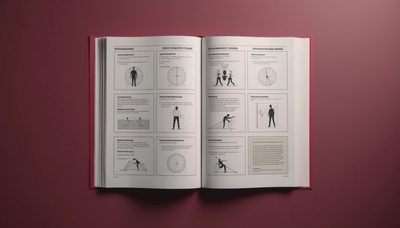
The nhtsa dui manual is a federal reference point for understanding impaired driving, enforcement, prevention, and treatment. It is not a state criminal code, a roadside testing script, or legal advice. Its value is more practical: the document gathers research and operating guidance that helps agencies, courts, safety advocates, and the public understand how alcohol- and drug-impaired driving affects road safety.
For drivers, that distinction matters. A state determines the offense, penalties, license rules, and evidence standards. The federal material explains the larger safety picture behind those rules. Here's what we know — and here's what we don't: no manual can predict the result of an individual traffic stop, but a careful reading can clarify why impaired-driving laws are written as they are and why a conviction can affect insurance for years.
What the nhtsa dui manual is designed to explain
The nhtsa dui manual sits within the broader work of the National Highway Traffic Safety Administration, which develops traffic-safety guidance and supports state and local programs. Depending on the edition or related publication, readers will encounter material on alcohol impairment, drug-impaired driving, enforcement programs, screening, adjudication, treatment, and prevention.
That scope is wider than many people expect. The nhtsa dui manual is not simply a list of blood alcohol concentration thresholds. It treats impaired driving as a system problem involving driver behavior, policing, prosecution, licensing agencies, health providers, and public education. Some sections are aimed at professionals rather than consumers, so terminology can feel bureaucratic. That is not a reason to dismiss it; it is a reason to read the definitions before jumping to conclusions.
A useful first step is identifying the publication date, intended audience, and source agency. Older federal guidance can remain historically useful while failing to reflect newer drug-testing practices, state statutes, or changes in enforcement technology. Treat every chart as a snapshot, not a universal rule.

How to read the nhtsa dui manual without confusing guidance with law
The nhtsa dui manual describes evidence and recommended practices, but states write and enforce their own laws. A federal publication cannot replace the statute in Michigan, Texas, California, Florida, or any other jurisdiction. Those laws can differ on prohibited conduct, ignition-interlock requirements, license suspension, diversion programs, and the handling of prescription medication.
The same caution applies to alcohol measurements. A BAC figure is commonly discussed in DUI materials, yet the legal consequences depend on the driver’s age, license type, state law, prior history, and facts surrounding the stop. Commercial drivers, for example, operate under rules that can differ from those applied to an ordinary passenger-vehicle driver. A reader should not use one national explanation to calculate a personal legal outcome.
The nhtsa dui manual is most useful when paired with primary sources. Read the relevant state department of motor vehicles page, statute, court rule, or official administrative notice. If a case is active, a licensed attorney is the appropriate source for legal advice. An online summary can explain concepts; it cannot inspect evidence, deadlines, or local procedure.
The role of alcohol, drugs, and impairment evidence
A strong feature of the nhtsa dui manual is its effort to separate impairment from simplistic assumptions. Alcohol can affect reaction time, judgment, tracking, and divided attention. Drugs introduce a more complicated picture because effects vary by substance, dose, timing, tolerance, interactions, and route of use. The presence of a drug in a sample does not automatically answer every question about impairment at a particular moment.
That does not make drug-impaired driving harmless or impossible to investigate. It means evidence can include driving behavior, statements, field observations, toxicology, medical information, and other facts. The nhtsa dui manual helps explain why investigators and courts often consider multiple evidence streams rather than relying on a single number.
Drivers should also understand the difference between a screening device and a final evidentiary process. A roadside breath screening result, a blood test, and a laboratory toxicology report are not interchangeable. The document’s technical discussions can be dense, but the central message is clear: measurement, collection, storage, interpretation, and legal admissibility are separate questions.

Why this information matters to auto insurance
A DUI or impaired-driving conviction can affect auto insurance because insurers generally evaluate driving history when setting eligibility and premiums. The precise result depends on the state, insurer, prior record, vehicle, coverage limits, and underwriting rules. A driver might face a renewal increase, fewer available carriers, a requirement to file an SR-22 or similar financial-responsibility document, or difficulty obtaining preferred coverage.
The nhtsa dui manual does not set insurance prices. It can, however, help explain why insurers treat an impaired-driving conviction as a serious risk signal. Someone shopping after a conviction should compare quotes from several licensed carriers, ask how long the violation remains relevant, and confirm whether the policy includes the liability limits required by the state. Minimum coverage can be cheaper, but it can leave substantial financial exposure after a serious crash.
Costs can extend beyond the premium. Court fees, towing, reinstatement charges, ignition-interlock installation, transportation, and attorney bills can add hundreds or thousands of dollars. A driver with a clean record might compare six-month premiums in the low hundreds, while a high-risk policy can be materially more expensive. Those are broad examples, not a promise of any particular quote.
A practical checklist for using the document
Start by downloading the publication from an official NHTSA or government source rather than relying on an unattributed PDF. Record the title, edition, publication date, and any technical appendices. Next, identify whether the section addresses alcohol, drugs, enforcement, adjudication, treatment, or prevention. That simple sorting step prevents readers from applying a treatment recommendation to a criminal-law question.
Then underline defined terms and flag every statement that uses words such as “should,” “may,” or “recommended.” Those terms usually signal guidance rather than a binding legal command. Compare the relevant issue with current state sources, especially if the document discusses license suspension, testing, or ignition interlocks.
Finally, keep the nhtsa dui manual in its proper lane. Use it to understand policy and safety research, not to diagnose impairment, challenge evidence, or predict a judge’s decision. For an insurance quote, provide accurate information and ask the agent how the violation will be rated. Misstating a driving history can create a larger problem than a higher premium.
The bottom line for drivers and automotive readers
The nhtsa dui manual is valuable because it shows the machinery behind impaired-driving policy. It connects enforcement, public health, courts, licensing, and crash prevention without pretending that one federal document controls every state. That is the signal worth taking from it.
The document also has limits. It cannot tell a driver whether a stop was lawful, whether a test was properly administered, or what sentence a court will impose. It cannot quote an individual insurance policy. Those questions require current state sources and qualified professionals.
For readers tracking automotive safety, the bigger story is straightforward: vehicle technology can add warnings, intervention, and monitoring, but it cannot turn an impaired driver into a safe one. The best use of the nhtsa dui manual is to understand the evidence, avoid overclaiming, and make decisions based on current law and documented facts.


Travellers Write
No letters yet — be the first traveller to write.