The nhtsa sfst manual is the federal reference point for standardized field sobriety testing, the roadside process officers use when they suspect impaired driving. It is not a criminal statute, a substitute for state law, or a magic formula that turns three roadside exercises into certainty. It is a training and procedure document. That distinction matters to drivers, defense attorneys, insurers, and anyone trying to understand what happened during a traffic stop.
The National Highway Traffic Safety Administration developed the standardized field sobriety test program to give officers a consistent framework. The familiar battery includes horizontal gaze nystagmus, commonly called HGN; the walk-and-turn; and the one-leg stand. Officers are trained to look for specific clues, document their observations, and decide whether further investigation is warranted. The tests do not directly measure blood alcohol concentration, and they do not replace chemical testing.
What the nhtsa sfst manual actually covers
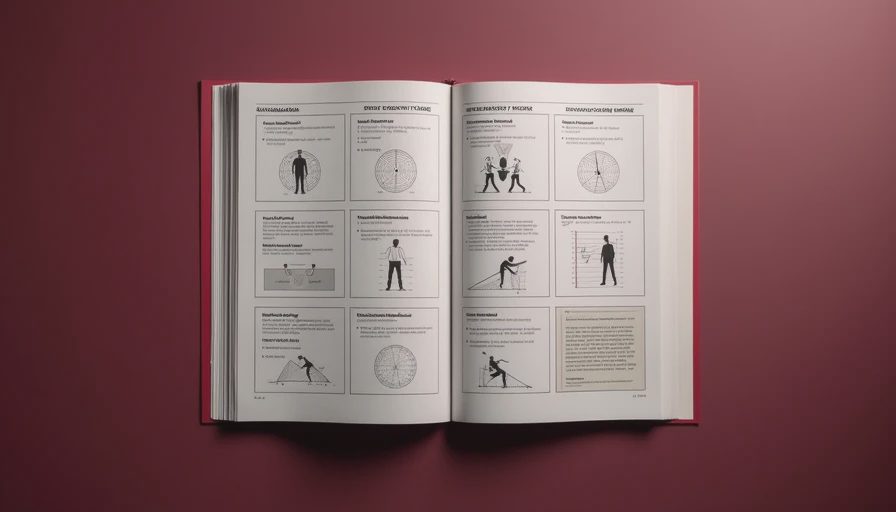
The manual explains how officers should administer each test, what conditions can affect performance, and which observable clues are associated with impairment. HGN involves tracking an object with the eyes while the officer watches for involuntary jerking. The walk-and-turn uses a straight-line instruction sequence, while the one-leg stand requires a driver to balance with one foot raised for a period of time.
That sounds straightforward until the roadside variables arrive. Uneven pavement, rain, darkness, traffic noise, emergency lights, footwear, age, injuries, and medical conditions can affect performance. A driver with a knee problem may struggle with the one-leg stand without being impaired. A person wearing work boots on a gravel shoulder faces a different physical challenge from someone standing on smooth pavement in running shoes.
The document also emphasizes standardized instructions and scoring. In practice, however, the quality of an evaluation depends on whether the officer followed the procedure, explained it clearly, selected a suitable location, and recorded the conditions. A manual can create consistency; it cannot eliminate human judgment.
The three tests are not interchangeable
HGN is often treated as a technical observation because it involves eye movement, but it still requires proper positioning, timing, and medical awareness. Officers are expected to check for factors such as contacts, glasses, head injury, or other conditions that could interfere with the observation. HGN is not a breath test and does not produce a numeric alcohol reading.
The walk-and-turn divides attention between physical movement and following instructions. The nhtsa sfst manual identifies clues such as losing balance during instructions, stepping off the line, using arms for balance, stopping, or taking an incorrect number of steps. Those clues are observations, not an automatic diagnosis. Confusion about instructions, anxiety, footwear, or an unsuitable surface can complicate the picture.
The one-leg stand measures balance and divided attention. Swaying, hopping, putting a foot down, or using arms for balance can count as clues under the standardized scoring approach. Again, the test is not designed to determine a driver’s exact blood alcohol concentration. It is one part of an officer’s broader investigation, which can include driving behavior, statements, odor, speech, coordination, and other evidence.
Reading the nhtsa sfst manual without confusing training with law
The most common mistake is treating the manual as though it were a nationwide legal rulebook. It is not. States set their own impaired-driving laws, rules for detention and arrest, and standards governing whether evidence can be admitted in court. Courts also differ on how they evaluate roadside test results and whether an officer’s deviations from training affect the evidence.
The manual’s scoring language can still be useful. After a stop, a driver or lawyer can compare the written report with the expected procedure. Was the surface level? Was the instruction explained before the test began? Did the officer note footwear, weather, lighting, or medical limitations? Was the driver asked about injuries? Did the report distinguish between clues observed during instructions and clues observed while performing the test?
Those questions do not prove that a stop was unlawful, and they do not guarantee that evidence will be excluded. They identify the factual record. Here's what we know — and here's what we don't: a roadside test is only as reliable as its administration, documentation, and interpretation.
A driver should avoid arguing roadside science on the shoulder. Follow lawful instructions, avoid volunteering a long narrative, and ask for medical or accessibility needs to be noted. Afterward, write down the sequence while memories are fresh. Time, location, weather, footwear, injuries, officer instructions, and whether a chemical test followed can all become important details.

Why the nhtsa sfst manual matters after an arrest
A failed roadside test does not automatically establish guilt, but it can influence an officer’s decision to request a breath, blood, or urine test and to make an arrest. Chemical testing is governed by separate rules and often carries its own deadlines, consent issues, and administrative consequences. Missing a license-hearing deadline can create a problem even while a criminal case is pending.
Insurance consequences also operate on a separate track. A conviction, license suspension, or serious driving violation can lead to higher premiums, restricted coverage, or difficulty finding a preferred carrier. Insurers generally do not price a policy based on the roadside exercises alone. They are more likely to consider official motor-vehicle records, convictions, claims history, vehicle use, location, and other underwriting factors.
That separation is important. A driver might face an insurance increase after a conviction even if the original roadside test is disputed. Conversely, a roadside stop that produces no reportable conviction may not create the same underwriting event. The exact result depends on state reporting rules and the insurer’s rating practices, so reviewing declarations pages and renewal notices is more useful than relying on internet folklore.
A practical checklist for reviewing a sobriety-test report
Start with the timeline. Write down when the vehicle was stopped, when questioning began, when tests were offered, and when any chemical test occurred. Next, identify the setting. Note pavement, slope, weather, visibility, traffic, emergency lighting, and footwear. Then compare the report with what you remember hearing and doing.
Look for specific descriptions rather than conclusions. “Appeared intoxicated” is a conclusion; “stepped off the line twice” is an observation that can be evaluated. Check whether the report says which test was administered, how instructions were delivered, and whether the officer recorded medical, physical, or environmental factors.
Finally, preserve related material. Keep citation paperwork, release documents, chemical-test forms, dashcam footage, phone location data, and witness contact information. Do not edit video files or post a detailed account on social media. A defense lawyer can explain the significance of the record under the applicable state law.
The bottom line on the nhtsa sfst manual
The nhtsa sfst manual is best understood as a standardized training reference, not a roadside verdict machine. It describes the HGN, walk-and-turn, and one-leg stand procedures, but it also highlights the importance of instructions, conditions, observations, and documentation. None of the tests independently provides a blood alcohol number.
For drivers, the useful takeaway is practical: stay calm, communicate necessary medical limitations, avoid obstructing the investigation, and document the encounter afterward. For anyone reviewing an arrest or insurance consequence, separate the roadside observations from chemical-test results, court outcomes, and motor-vehicle-record reporting. The details decide more than the label “failed field sobriety test” suggests.


Travellers Write
No letters yet — be the first traveller to write.