If you are shopping used, taking delivery of a lease return, or just trying to figure out whether your daily driver has a loose bolt in its past, a recall lookup by vin is the fastest check you can run. It tells you whether the vehicle has open safety recalls tied to that specific 17-character VIN, which matters more than whatever the seller says on the lot. A clean Carfax is nice; a clean recall screen is the thing that keeps you from inheriting a brake, airbag, or electrical problem the manufacturer already admitted needs fixing.
What the VIN actually gives you
A VIN is the vehicle's serial number, and a recall lookup by vin uses that number to match the car, truck, or SUV to manufacturer and NHTSA recall records. That is useful because two identical-looking Ford Escapes can have different repair status depending on build date, plant, or option package. The lookup will usually tell you whether a recall is open, remedy not completed, or closed after repair. It will not tell you every service bulletin, oil leak, or mystery rattle. That's the part where the shop earns its money.
For shoppers, the point is simple: do not confuse a recall with routine maintenance. A defective Takata airbag, a fuel-pump issue, or a software fault is a safety matter, not a maintenance item to get to later. If a seller shrugs and says the part was ordered, ask for proof. Paper beats promises.
Where to run the check without wasting time
The easiest place to start is NHTSA's recall search at nhtsa.gov/recalls. Enter the VIN, and you'll get a plain answer instead of the dealer-speak version. Most automakers also offer their own owner portals or apps, and those can be useful if the vehicle is newer. Ford, GM, Toyota, Honda, Stellantis, and Tesla all have some version of an owner-facing lookup or account screen. If you already have an account, use it. If not, the federal site is fine.
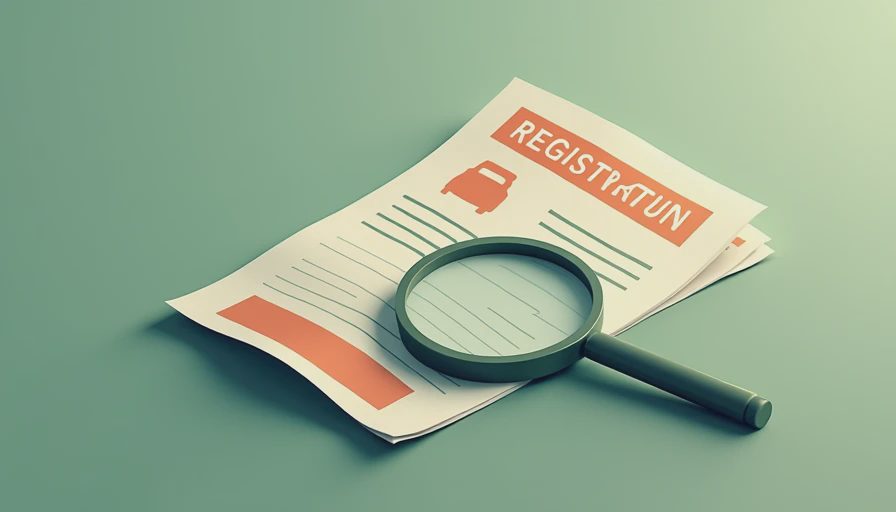
A recall lookup by vin should be part of the same routine as checking title status, confirming mileage, and making sure the keys actually match the vehicle. If you're buying from a dealer, ask the salesperson to print the current recall status. If they stall, that tells you something. On a private-party deal, run the lookup yourself before cash changes hands. Ten minutes now beats a tow truck and a service appointment later.
How to read the result like someone who has done this before
Here's what we know — and here's what we don't. The result is usually clean enough to understand without a law degree. No open recalls means the VIN currently shows nothing outstanding in the database. Open recall means the manufacturer has not yet completed the fix. Remedy available means the part or software update exists, and the dealer can usually complete it at no charge. Under federal law, recall repairs are paid for by the manufacturer, not by the owner.
What the screen does not tell you is how hard the repair will be. A trim clip or software flash is one thing; a backordered battery contactor or airbag module can leave a car waiting weeks. That matters on late-model EVs and complex full-size trucks, where parts delays can turn a simple warranty-style visit into a parking-lot sentence. If the seller says it's just waiting on parts, ask when the appointment is scheduled and whether the dealership actually has the component on order.
Why used-car buyers should care more than anyone else
A recall lookup by vin is especially useful on used inventory because the same vehicle can look showroom clean and still have a safety item hanging over it. Auction cars, rental returns, dealer trades, and lease turn-ins often move fast enough that the paperwork trail lags behind the metal. I have seen more than one shopper get distracted by tires, touchscreen size, or a fresh detail and miss a simple recall that should have been fixed before delivery. That is how people end up signing for a car that immediately needs a dealer visit.
On the retail side, a recall can also help you negotiate. If the vehicle is otherwise right but the repair is incomplete, you can ask the seller to complete it before delivery or adjust the price if the car is being sold as-is by a private party. The recall itself is free, but your time is not. A Saturday morning spent sitting in a service lane is a hidden cost, and dealerships do not always volunteer that detail until after the finance office has printed the stack.

What to do after you find an open recall
If the result comes back open, do not panic. Call a franchised dealer for that brand, give them the VIN, and ask whether the remedy is available now or if parts are backordered. If it is a software fix, ask whether the car needs to sit all day or whether they can complete it while you wait. If the vehicle is still under factory warranty, that does not change the recall repair, but it can make related diagnosis easier if the technician finds a second issue.
A recall lookup by vin also gives fleet managers and service writers a cleaner way to prioritize vehicles. Put the high-mileage company van, the family hauler, or the commuter you rely on most at the top of the list. If the repair is open on something with an airbag, seatbelt, steering, brake, or charging-system issue, move it up immediately. Nobody wants to find out the hard way that a free fix was sitting on the calendar for six months.
The mistakes that make this harder than it needs to be
The biggest mistake is relying on memory. A seller might remember the recall got done last year, but recalls can be reopened, expanded, or issued after that visit. The next mistake is using the wrong VIN. One digit off, and you are looking at another vehicle entirely, which is a terrific way to waste 20 minutes and learn nothing. Third, do not assume a vehicle history report covers everything. Carfax and AutoCheck can help, but they are not a substitute for a direct recall lookup by vin. Finally, do not treat a closed recall as a permanent shield against future campaigns. Automakers issue new ones when new defects surface. That is the business.
If you only do one thing before you buy, sell, or hand over the keys for a road trip, make it a recall lookup by vin. It is quick, it is free, and it tells you more about safety than any polished sales pitch on a damp Saturday morning.


Travellers Write
No letters yet — be the first traveller to write.