
The **Takata airbag recall** remains the largest and most complex auto safety recall in U.S. history, affecting tens of millions of vehicles across nearly every major automaker. More than a decade after the first incidents, millions of cars still have unrepaired, potentially explosive inflators. Here's what we know—and what we don't.
The Basics: Why the Recall Happened
Takata's airbag inflators used a chemical propellant that could degrade over time, especially in hot, humid climates. When an inflator ruptures during deployment, metal shrapnel can fly into the cabin, causing serious injury or death. The defect led to the recall of over 100 million inflators worldwide, and 27 confirmed deaths in the U.S. alone, according to NHTSA.
The root cause: ammonium nitrate—the same chemical used in mining explosives—without a proper drying agent. Takata knew about the issue years before the first recall in 2013 but delayed disclosure. The company filed for bankruptcy in 2017, and its assets were largely acquired by Key Safety Systems.

How to Check Your Vehicle
If you own a car, truck, or SUV from model years 2002 through 2019, there's a chance it's part of the **Takata airbag recall**. Here's the easiest way to check:
- **Find your 17-character VIN** (on your registration or the lower-left corner of the windshield)
- **Go to NHTSA.gov/recalls** and enter the VIN
- **Click "Check for Recalls"**
If your vehicle has an open recall, the site will tell you which parts are affected. You can also call your local dealer directly. NHTSA reports that as of early 2025, roughly 10 million inflators remain unrepaired in the U.S.
Why Repair Rates Lag
One reason: the sheer scale. The recall spans 19+ automakers and dozens of models. Replacement parts were scarce for years, though availability has improved. Another factor: owners ignore or lose recall notices. Automakers have mailed repeated letters, but many vehicles sit on used lots or are owned by second- or third-hand buyers who never get the notice.
There's also a misconception that if the airbag hasn't deployed yet, it's safe. That's false. The risk is not simply "it fails when it's supposed to work"—it's that a mild fender bender could cause the inflator to explode, sending shrapnel into the driver's face. The defect is time- and climate-dependent; older inflators in states like Florida, Texas, and the Gulf Coast are at higher risk.
What the Fix Involves
Replacement is free at any authorized dealer. The repair typically takes one to two hours. Dealerships install a redesigned inflator with a different chemical compound (often something other than ammonium nitrate) that won't degrade. Some automakers offer mobile repair services for high-risk vehicles in hot climates.
If your VIN shows a recall, don't wait. Even if you've already had one side fixed, check again: some vehicles were recalled multiple times for different inflator locations (driver, passenger, side curtain).
Legal and Financial Fallout
Takata's bankruptcy left a trust fund to manage claims. As of 2025, the trust has paid out over $1 billion in injury and death claims. Class action lawsuits against automakers have also led to reimbursement for out-of-pocket expenses like rental cars, towing, and even lost wages for repairs.
Some automakers, including Honda and Toyota, have issued additional compensation programs for owners of affected vehicles—including loaner cars if replacement parts were delayed. If you paid for a repair that should have been free, you may be eligible for reimbursement from the automaker or the trust.
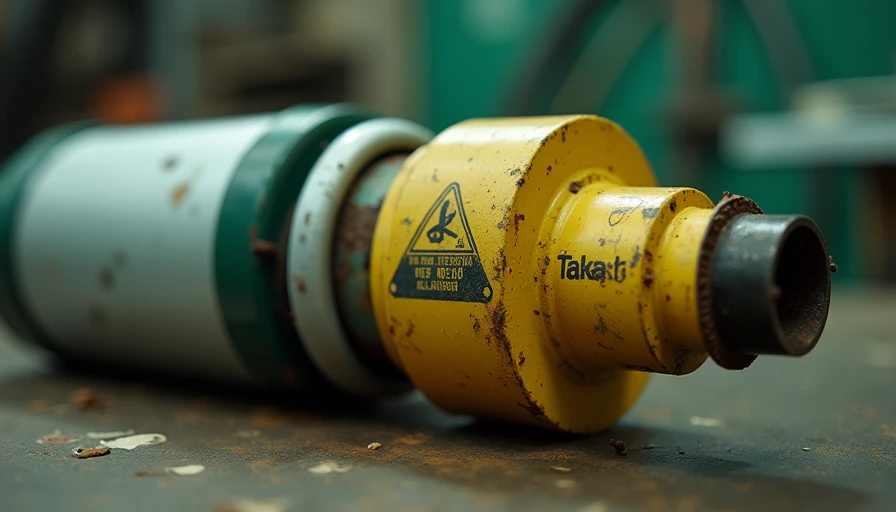
The Takata Airbag Recall Still Isn't Over
Despite years of effort, the recall isn't done. NHTSA recently issued a renewed warning urging owners of 2002–2015 Honda, Acura, BMW, Chrysler, Ford, Mazda, Nissan, and Toyota models to check immediately. Some of the most dangerous inflators are in older model years, where the degradation is most advanced.
If you own a 2003–2005 Honda Civic, 2006–2007 Ford Ranger, or 2002–2004 Nissan Sentra, you should prioritize this repair. These are among the vehicles with the highest risk of rupture, according to NHTSA data.
Frequently Asked Questions About the Takata Airbag Recall
**Q: Is the repair really free?**
A: Yes. Under federal law, safety recall repairs are free at any authorized dealer. This includes parts and labor. If a dealer tries to charge you, contact NHTSA immediately.
**Q: What if I no longer own the car?**
A: If you sold the car, you're not responsible. But the current owner should check their VIN. If you bought a used car, it may have an unrepaired recall—check before driving.
**Q: Can I sue for injuries?**
A: Yes. Thousands of lawsuits have been filed against Takata and automakers. Compensation is available through the trust fund for those injured or for families of victims. Consult a lawyer.
**Q: How do I know if the repair was done?**
A: Check your NHTSA recall status again after the repair. Your dealer will also provide a service record. Keep that paperwork for your records.
**Q: Are rental cars covered?**
A: Some automakers provide loaner vehicles if parts are delayed. Call your dealer and ask. You may also qualify for reimbursement under certain recall settlements.
Steps to Take Right Now
- **Check your VIN today**—this takes two minutes.
- **If an open recall appears**, call your dealer to schedule the repair. Mention the recall number.
- **If parts are backordered**, ask for a rental car or loaner. Some automakers will cover it.
- **Don't trust a used car dealer who says it's already fixed**—get proof. Only a VIN check is reliable.
- **Bookmarked this page?** Done. Now check your family's cars too.
Here's what we know: the **Takata airbag recall** is a legitimate safety threat that won't go away on its own. Here's what we don't: how many more people will be hurt before every last inflator is replaced. Don't let your car be the one that proves it matters.


Travellers Write
No letters yet — be the first traveller to write.