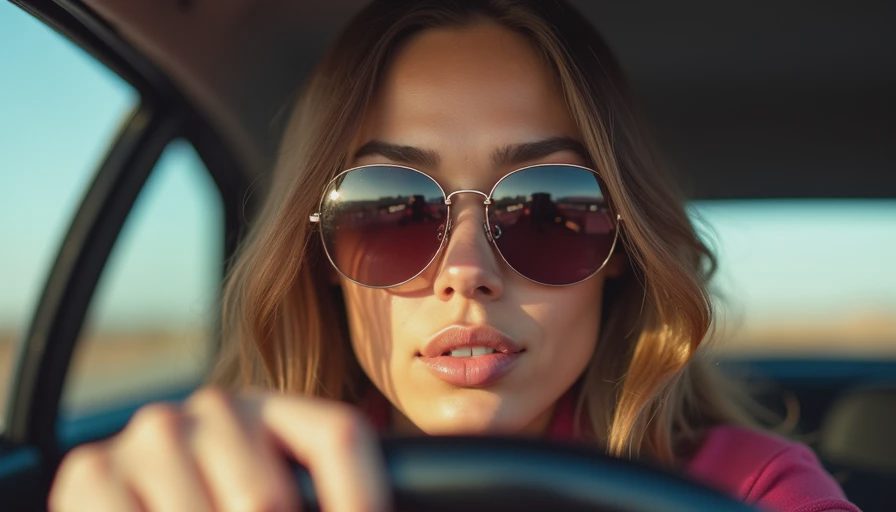
**Tesla FSD safety** is back in the spotlight after the National Highway Traffic Safety Administration opened a new investigation into the company's Full Self-Driving software in October 2024. The probe covers roughly 2.4 million vehicles and follows reports of four collisions, including a fatal crash, where the system was reportedly engaged. If you've been following the EV beat, this is the story the PR team didn't pitch.
Here's what we know—and here's what we don't.
The NHTSA Investigation Into Tesla FSD
The latest NHTSA probe, filed under ODI Part 573, targets the ability of the FSD software to detect low-visibility conditions like sun glare, fog, and dust. The agency cited incidents where the system slowed down or stopped inappropriately, and others where it failed to slow at all. One accident involved a pedestrian fatality in Los Angeles, though the driver later told police the vehicle was in FSD mode. NHTSA is also looking at whether Tesla's over-the-air updates have adequately addressed earlier defects.
This investigation adds to a long list of regulatory actions against Tesla's driver-assistance systems. Previous probes covered Autopilot's inability to detect emergency vehicles and the risk of false activation in Autopilot. FSD's safety record, however, is harder to parse because the system is still in beta and only available to a subset of owners who have passed Tesla's "safety score" threshold. The data NHTSA is collecting will likely shape future federal policy on Level 2 and Level 3 systems.
Real-World FSD Safety: Data Versus Perception
Tesla's own data, published quarterly in its Vehicle Safety Report, shows that drivers using Autopilot (which includes FSD features) have fewer crashes per mile than the national average. In the third quarter of 2024, Tesla reported one crash for every 6.8 million miles driven with Autopilot engaged, compared to the U.S. average of one crash every 670,000 miles. But those numbers come with caveats: The comparison isn't apples-to-apples because Tesla's fleet tends to be newer and safer, and Autopilot is used mainly on highways where crash rates are lower.
When you isolate FSD specifically—especially on city streets and in complex intersections—the picture gets murkier. A 2023 University of Michigan study found that Tesla vehicles equipped with the beta version of FSD had a higher rate of "disengagement" incidents where the driver had to take over, but the study was limited in scope and didn't measure crash outcomes. What the public perceives as a safety failure is often a driver misusing the system—like expecting FSD to navigate a construction site without intervention.
Tesla's own documentation warns that FSD is a Level 2 system requiring constant monitoring. The name "Full Self-Driving" creates a mismatch with regulations and driver expectations, which is exactly what regulators are zeroing in on.
How Tesla FSD Safety Compares to Competitors
General Motors' Super Cruise and Ford's BlueCruise both use driver-monitoring cameras that can detect where a driver is looking, and neither allows the system to operate on undivided roads. Tesla's FSD, by contrast, relies only on torque sensors in the steering wheel—a system critics say is easier to trick. Mobileye, the Israeli tech firm behind many driver-assistance systems, has argued that hands-free systems with eye tracking are fundamentally safer.
But comparing raw safety numbers is difficult because each automaker defines its test conditions differently. NHTSA's new universal safety rating proposal, expected in 2025, could standardize how ADAS safety is reported. Until then, consumers must rely on crash data and independent tests like those from the Insurance Institute for Highway Safety.
What's Next for Regulatory and Consumer Action
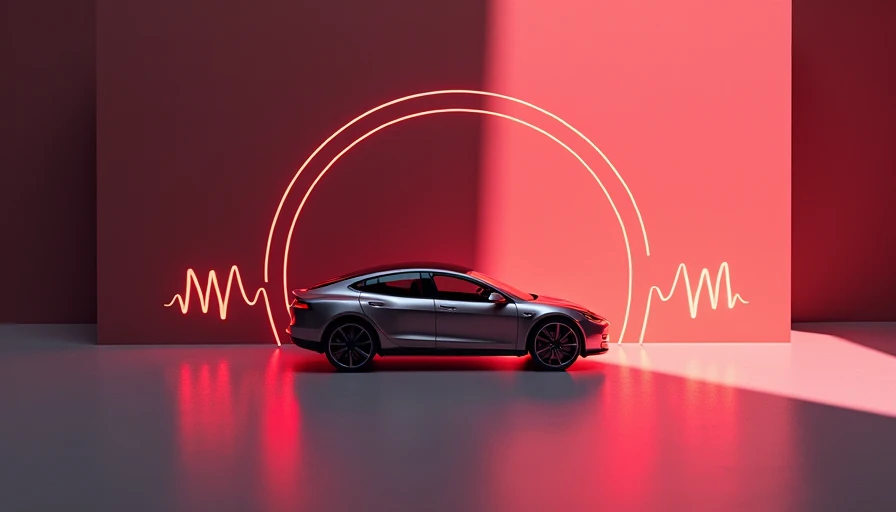
The outcome of the current NHTSA investigation could range from no action to a formal recall. If a recall were ordered, Tesla would likely issue an over-the-air update rather than a physical service visit. Tesla CEO Elon Musk has called the agency's scrutiny "backward" and has insisted that FSD reduces crashes overall. Yet internal emails from Tesla engineers, disclosed in a 2023 wrongful death lawsuit, suggested that the company knew about limitations in its computer vision system years before the public did.
For consumers considering FSD, the takeaway is this: The system can reduce risk in some situations but introduces new failure modes in others. Treating it as a beta product rather than a reliable driver is the safest approach.
Evaluating Tesla FSD Safety: A Quick Checklist
Before relying on FSD for daily commutes or long trips, ask yourself these questions to gauge its safety:
- **Does my route include unpredictable scenarios?** FSD performs best on divided highways. City streets with cyclists, pedestrians, and construction zones increase disengagement risk.
- **Am I willing to monitor the system continuously?** Tesla requires drivers to keep hands on the wheel and eyes on the road. Systems with driver-facing cameras (like Super Cruise) are harder to trick, but FSD's torque sensor is less robust.
- **Have I checked for recent software updates?** Tesla pushes updates frequently that improve vision and decision-making. Always install the latest version before relying on FSD.
- **Do I understand the difference between Level 2 and true autonomy?** FSD is not self-driving. Expect it to make errors—especially in low-visibility conditions highlighted by NHTSA.
- **What does my insurance policy cover?** Some insurers offer discounts for ADAS-equipped vehicles, but a crash involving FSD may face different liability questions. Check with your agent to see if your policy accounts for autonomous driving features.
By asking these questions, you can better evaluate Tesla FSD safety for your specific needs. Remember that even the best driver-assistance system cannot replace an attentive human.
The Bottom Line on Tesla FSD Safety
Tesla FSD safety is a moving target. The technology improves monthly through software updates, but the regulatory framework hasn't kept pace. Until NHTSA's investigation concludes and independent crash data accumulates, the real safety benefit remains an open question. As always, read the fine print: Driver assistance is not self-driving, no matter what the name says.
Travellers Write
No letters yet — be the first traveller to write.