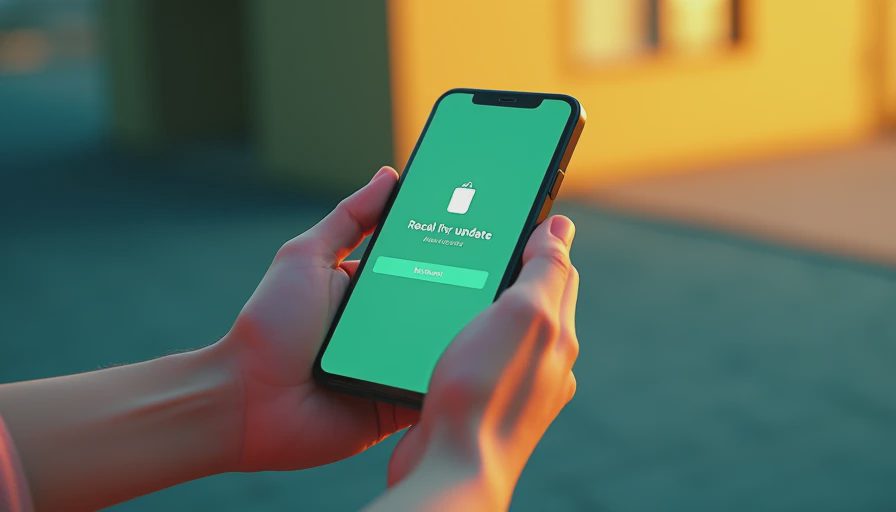
If you own a Tesla, you've probably woken up to a software update notification that fixed something you didn't even know was broken. That's the **Tesla OTA recall fix** in action—a process that replaces the traditional dealership visit for a growing number of safety recalls. Here's what we know about how it works, why it matters, and where the industry is headed.
What Is a Tesla OTA Recall Fix?
An OTA (over-the-air) recall fix is exactly what it sounds like: Tesla patches a vehicle defect via a software update downloaded wirelessly, often while the car is parked overnight. Unlike a physical recall that requires parts and labor, these fixes address software-related safety issues. The National Highway Traffic Safety Administration (NHTSA) treats them as official recall campaigns, complete with a filing number and owner notification—but the remedy requires no trip to the service center.
Tesla has used OTA recalls for everything from touchscreen freezes to tire pressure monitoring system glitches. In 2021, a Model 3 recall for a seatbelt chime issue was resolved with a 15-minute update. More recently, a 2024 recall affecting nearly 2 million vehicles—Model S, 3, X, and Y—for a font size issue on the instrument cluster was fixed over the air. The **Tesla OTA recall fix** isn't just a convenience; it's a paradigm shift for how automakers comply with safety regulations.
How OTA Updates Work for Recalls
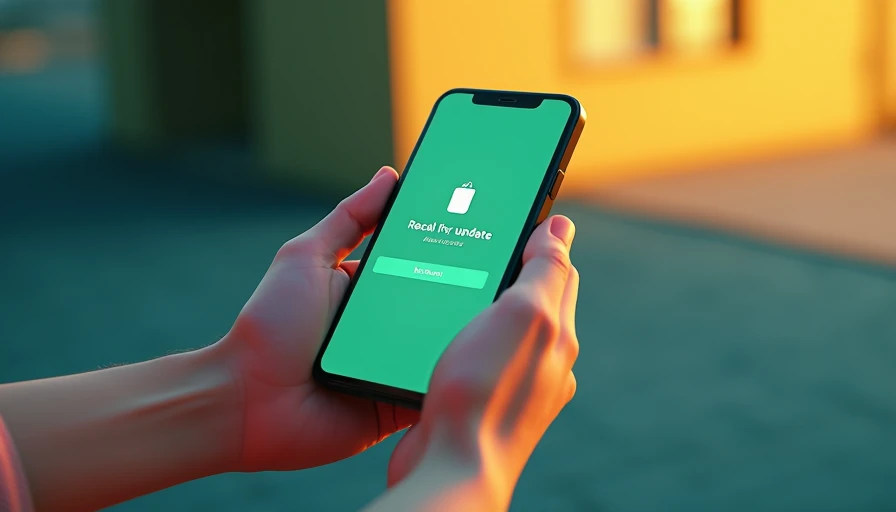
When Tesla identifies a software-related defect, it develops a patch and submits a Part 573 Safety Recall Report to NHTSA. The agency reviews the fix, and once approved, Tesla pushes the update to affected vehicles. Owners receive a notification on their Tesla app or in-car screen, often with a prompt to install. The update downloads automatically on Wi-Fi and installs during a scheduled window.
Here's the key difference: with a traditional recall, the owner must schedule an appointment, drive to a dealer, and wait for the repair. With an OTA fix, the car repairs itself. Compliance rates also improve—NHTSA data shows OTA recalls achieve above 90% completion within months, compared to roughly 70% for physical recalls after a year. For a **Tesla OTA recall fix**, the barrier is essentially zero: most updates install without the owner even noticing.
Real Examples – Recalls Fixed Over the Air
Tesla's history with OTA recalls dates back to 2013 when the Model S received an update to address battery fire risks after underbody strikes. Since then, the list has grown:
- **2020:** Model X and S recalled for a backup camera image delay—fixed via OTA.
- **2022:** Nearly 60,000 Model 3 and Y vehicles recalled for a “rolling stop” feature that violated traffic laws. The OTA update disabled the feature.
- **2023:** A recall for the Boombox feature—external speakers playing sounds while driving—was patched with a software change.
- **2024:** The largest Tesla recall ever, covering 2.2 million vehicles, for warning light font sizes too small. NHTSA's filing noted the fix was delivered OTA within days.
Each of these is a **Tesla OTA recall fix** in action. None required a service visit. The company has completed over a dozen OTA recall campaigns since 2013, and the trend is accelerating as more vehicle functions become software-controlled.

Pros and Cons of OTA Recalls
**Pros:**
- **Speed:** Fixes deploy in days, not weeks.
- **Convenience:** No dealer trip, no loaner car.
- **Compliance:** Higher completion rates mean safer roads.
- **Cost:** Tesla bears minimal labor cost; owners save time.
**Cons:**
- **Scope limited:** Only software defects can be fixed OTA. Hardware issues still require physical repairs.
- **Dependence on connectivity:** The car must have a cellular or Wi-Fi connection to receive the update.
- **Transparency:** Some critics argue OTA recalls make it too easy for automakers to fix problems quietly, reducing public awareness of defects.
Despite these drawbacks, the **Tesla OTA recall fix** model is widely seen as a win for owners. A 2023 study by J.D. Power found that 78% of Tesla owners prefer an OTA update over a dealer visit for a recall.
Impact on the Industry
Tesla isn't the only automaker using OTA updates for recalls, but it's the most aggressive. Ford, GM, and Rivian have all conducted OTA recall campaigns in the past two years. Ford's Mustang Mach-E received an OTA fix for a battery management issue in 2022; GM updated the Chevy Bolt's charging software after the battery fire recalls. However, legacy automakers still rely heavily on physical repairs because their vehicles have fewer software-controlled safety systems.
NHTSA has adapted its regulations to accommodate the shift. In 2023, the agency issued guidance clarifying that OTA updates can count as recall remedies if they meet safety requirements. The **Tesla OTA recall fix** model has effectively set the template. Expect more automakers to design future models with OTA-capable safety systems—and more recalls to be resolved with a simple download.
What Owners Should Do
If you receive a notification that your Tesla has a recall, check the details. If it's labeled as an OTA fix, ensure your car is connected to Wi-Fi and install the update promptly. You can verify completion in the Tesla app under “Safety” or “Software.” For any physical recall—like a failed seatbelt buckle or a steering component—schedule an appointment at a Tesla service center. Don't ignore NHTSA recall notices, even if they involve an OTA fix.
Here's the bottom line: the **Tesla OTA recall fix** is a genuine innovation in vehicle safety compliance. It's faster, easier, and more effective for the issues it can address. But it's not a cure-all. Hardware defects will always require a trip to the shop. For now, if your Tesla asks you to click “install,” do it. Your car—and everyone around you—will be safer for it.

Travellers Write
No letters yet — be the first traveller to write.