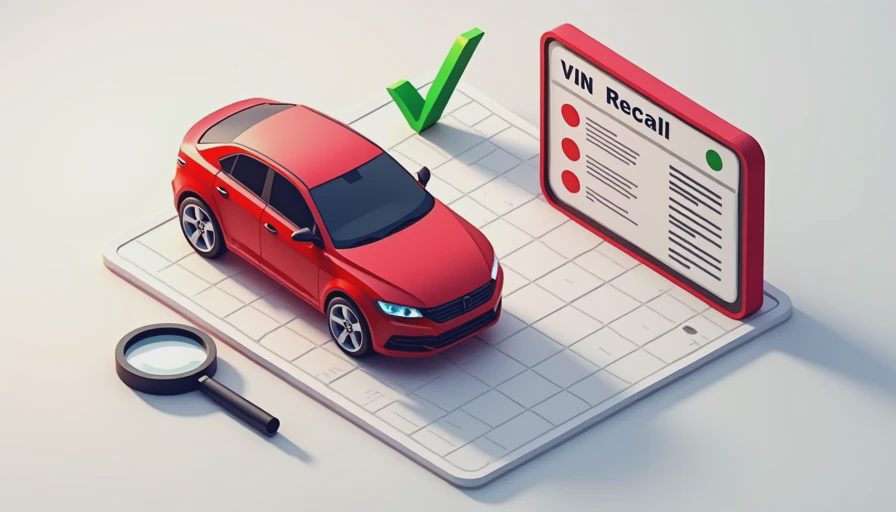
A **vehicle recall check by VIN** is the fastest way to know whether a car has an unresolved safety defect. Every automaker issues recalls, and many stay open for years. Before you hand over cash for a used car—or even before you buy a new one—run the VIN. Here's what you need to know.
What Is a Vehicle Recall Check by VIN?
A vehicle recall check by VIN uses the 17-character Vehicle Identification Number to search the National Highway Traffic Safety Administration (NHTSA) database for open recalls. NHTSA maintains a public record of every safety recall filed since the 1960s. When you enter a VIN on the agency's website (nhtsa.gov/recalls), you get a list of all recalls affecting that specific vehicle, along with the status (remedied or not). It's the same tool dealers use before selling a certified pre-owned car.
How to Perform a Vehicle Recall Check by VIN
The process takes less than two minutes. Follow these steps:
- **Find the VIN.** It's stamped on the dashboard near the windshield (driver's side), on the driver's door jamb sticker, or on the vehicle title/registration. For a used car, make sure the VIN on the dashboard matches the title.
- **Go to NHTSA's recall lookup page.** Direct URL: nhtsa.gov/recalls. No login needed.
- **Enter the full 17-character VIN.** Double-check for typos—a single wrong letter will return no results or the wrong vehicle.
- **Review the results.** If there are open recalls, the page will list them with a brief description, the date issued, and the NHTSA campaign number.
- **Check the automaker's own recall site as a backup.** Some manufacturers, like Ford and Toyota, have their own recall portals that may show additional service campaigns not filed as safety recalls.
Why You Should Never Skip a VIN Recall Check Before Buying
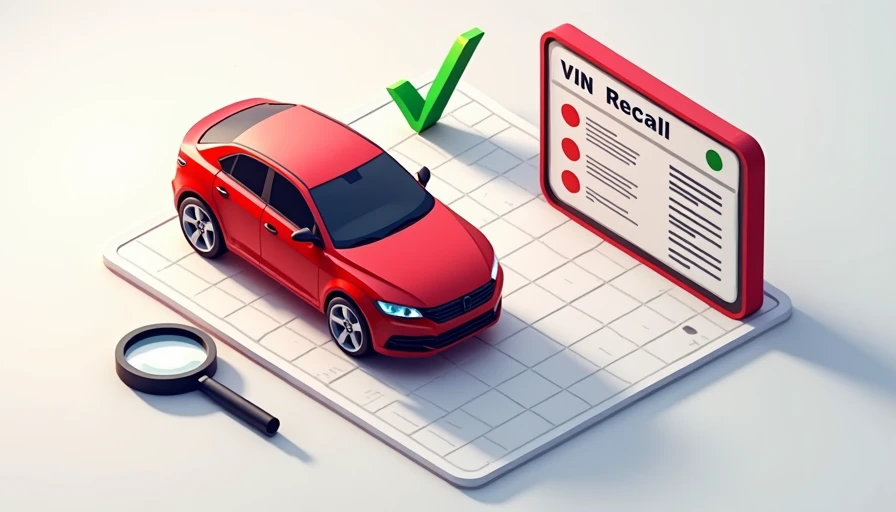
Skipping a VIN recall check is a gamble you don't need to take. Open recalls can involve defects as serious as faulty airbags, brake failures, or fire risks. According to NHTSA, about 40 million vehicles on U.S. roads have at least one unremedied recall. If you buy a car with an open recall, you inherit that risk—and the repair cost, though the repair itself is free, becomes your headache to schedule.
Used-car buyers are especially vulnerable. Private sellers rarely mention open recalls, and even dealerships sometimes fail to disclose them. A 2022 analysis by Carfax found that one in four used cars for sale had an open recall. Running a quick VIN check before you negotiate gives you leverage: you can ask the seller to get the repair done before purchase or adjust the price accordingly.
What to Do If Your Vehicle Has an Open Recall
If your vehicle recall check by VIN reveals an open recall, don't panic. Under federal law, the automaker must fix the defect at no cost to the owner. Schedule an appointment with any authorized dealership—they can't refuse to perform recall work, even if you didn't buy the car from them. The repair typically takes a few hours, and the dealership will provide a loaner if the job requires more than a day.
Remember: recall repairs are separate from warranty work. Even if your car is out of warranty, recall fixes are free. The only exception is if the vehicle is older than the statute of limitations in your state (some have time limits). But for most modern cars, the obligation lasts indefinitely.
Common Mistakes When Doing a Vehicle Recall Check by VIN
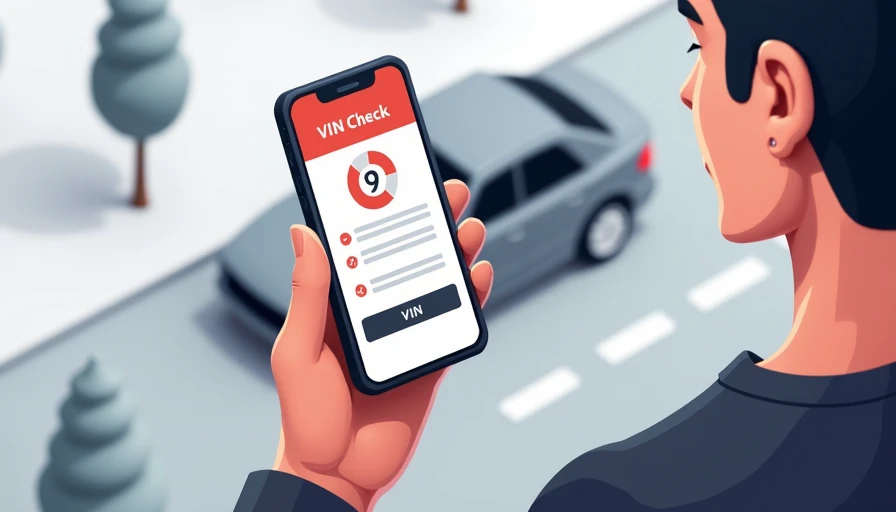
Even savvy car buyers can trip up. Here are the most frequent errors:
- **Using a third-party site that charges a fee.** NHTSA's tool is free. Sites that ask for money are often just scraping public data.
- **Not checking all VINs on a multi-vehicle purchase.** If you're buying a fleet or multiple cars for a business, run every VIN individually.
- **Assuming a recall is old news.** Some recalls issued a decade ago are still open. The vehicle recall check by VIN returns regardless of age.
- **Skipping the automaker's site.** NHTSA's database is comprehensive, but some manufacturers issue voluntary service campaigns that don't appear on NHTSA. Always double-check the brand's own recall portal.
Frequently Asked Questions About VIN Recall Checks
**Q: Do I need to pay for a vehicle recall check?**
A: No. NHTSA's VIN lookup is completely free. Be wary of any website that asks for a fee—they are likely charging for free data.
**Q: Can a recall be too old to fix?**
A: For safety recalls, automakers are obligated to repair the defect for the vehicle's expected lifespan, typically 10–15 years. However, some states have time limits, so check with your local DMV.
**Q: Will a dealer fix a recall on a used car I just bought?**
A: Yes. Any authorized dealership must perform the recall repair free of charge, regardless of where you bought the vehicle.
**Q: What if the seller already fixed the recall?**
A: Ask for proof—either a repair invoice or a screenshot from NHTSA showing "RECALL COMPLETE". Don't take verbal assurances.
**Q: Does a recall affect the car's value?**
A: Only if it remains unrepaired. A fixed recall has no impact. An open one can hurt resale value, so use it as a bargaining chip.
The Bottom Line on VIN Recall Checks
A vehicle recall check by VIN is a five-minute task that can save you from buying a safety risk. It's one of the few tools in the used-car buyer's arsenal that costs nothing and requires no technical skill. Make it part of your pre-purchase routine, right after checking the Carfax and before taking the test drive. Here's what we know—and here's what we don't: we know the NHTSA database is accurate for safety recalls. What we don't know is every voluntary fix, which is why you always cross-reference with the automaker.
Stay safe out there.



Travellers Write
No letters yet — be the first traveller to write.