Auto recalls are not background noise for the service department. They are formal safety actions involving a defect that creates an unreasonable risk or fails to meet a federal safety standard. For drivers, the practical questions are immediate: Is my vehicle affected, can I keep driving, and who pays for the repair? Here's what we know — and here's what we don't.
How auto recalls work
A manufacturer can issue a recall after finding a problem through warranty claims, crash investigations, testing, dealer reports, or a complaint filed with the National Highway Traffic Safety Administration. NHTSA can also open an investigation and order a manufacturer to provide information. The notice typically identifies the model years, production dates, defect, potential consequence, warning signs, and remedy.
That detail matters because a recall is tied to a specific vehicle population, not necessarily every car wearing the same badge. A 2021 Ford Explorer built in one month can have a different exposure from another Explorer built later. The vehicle identification number, or VIN, is the deciding reference. A recall notice is also different from a technical service bulletin. A TSB gives technicians a recommended repair procedure; it does not automatically mean the manufacturer must fix the vehicle for free.
Owners can search the VIN through NHTSA's recall website or the manufacturer's owner portal. A dealer's service department can usually confirm open campaigns as well. Save the notice, confirmation number, and appointment record. Those documents can help if a repair is delayed or a later insurance claim requires a clear timeline.
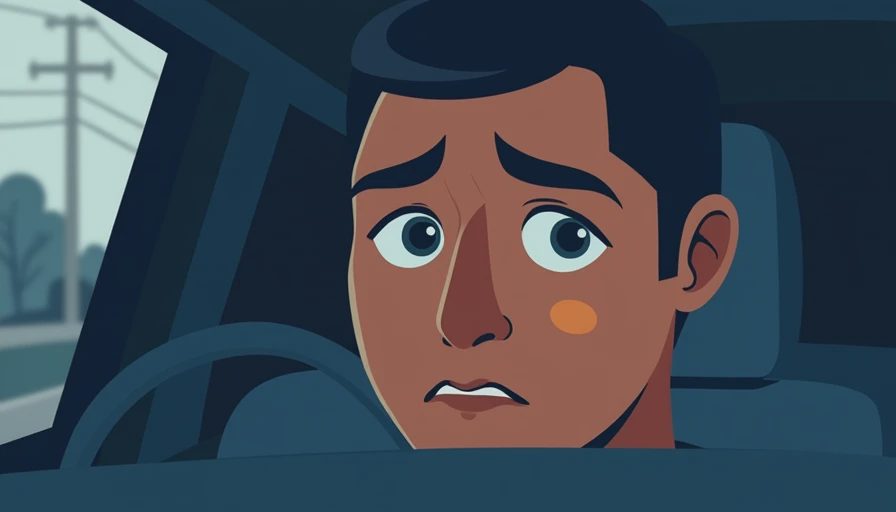
What the recall notice really tells you
The most important sentence is often buried beneath the corporate language: the risk description. A notice involving a fuel leak, brake loss, steering failure, seat-belt pretensioner, battery fire, or airbag deployment deserves faster attention than a missing label. That does not mean lower-profile defects are harmless. It means the response should match the stated hazard and the manufacturer's instructions.
Look for phrases such as “park outside,” “do not drive,” or “stop-sale.” These directions are not suggestions for a weekend project. If the remedy is unavailable, call the dealer before driving there and ask about towing, loaner transportation, or a mobile repair option. Some manufacturers provide reimbursement for reasonable towing or rental expenses, but the terms differ by campaign. Keep receipts rather than assuming a verbal promise will be enough.
Auto recalls can also involve a remedy that is not yet ready. Parts shortages, engineering revisions, and supplier problems can leave owners waiting for months. The notice should state whether the remedy is pending. Ask the dealer to place your VIN on a notification list and check the campaign periodically; an open status is not proof that no action is being taken.
When insurance enters the picture
A recall repair is normally the manufacturer's responsibility, not an insurance claim. Comprehensive coverage is designed for non-collision losses such as theft, hail, falling objects, and certain animal strikes. Collision coverage applies to damage from a crash. Neither coverage generally replaces a free recall remedy or pays to correct a known manufacturing defect.
The line changes if the defect contributes to a crash. Suppose a recalled steering component fails and the car strikes a guardrail. Collision coverage could address the vehicle damage after the deductible, subject to the policy and an investigation into responsibility. Liability coverage could respond to damage or injuries the driver causes to others. An insurer might later pursue reimbursement from a responsible manufacturer through subrogation, but that process is between the companies and is not a reason to skip prompt reporting.
Auto recalls do not automatically raise a driver's premium. Insurers price policies using factors such as driving history, claims, location, vehicle, coverage limits, and deductible. A crash connected to a defect can still create a claim record, so document the recall notice and the vehicle's condition before authorizing repairs. If the vehicle is unsafe to operate, do not drive it just to avoid a tow bill.
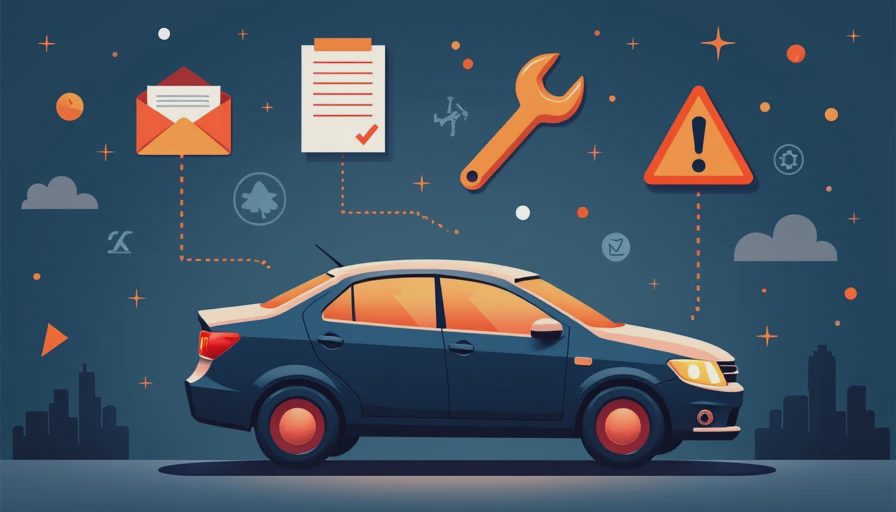
A practical response for owners
Start with the VIN, which is usually visible at the lower driver's-side windshield or on the registration and insurance documents. Search it in the NHTSA database and the automaker's portal. Compare the campaign number and description with the letter you received. Then call an authorized dealer, ask whether parts are in stock, and request the earliest appointment appropriate to the risk.
Before handing over the keys, photograph the dashboard, odometer, exterior, and any warning lights. Remove personal items and ask for a repair order that lists the recall campaign. Afterward, confirm that the recall status is closed in the manufacturer's system. A completed campaign may not repair every related problem, so distinguish the free recall work from customer-pay maintenance or unrelated diagnostic charges.
For a used-car buyer, run the VIN before purchase and again after delivery. An open recall can be a negotiating point, but it is not a substitute for a professional inspection. Some recalls have no available remedy, and a private seller may not have the authority or willingness to arrange service. A dealer might complete the work, but verify the status rather than relying on an online listing or a sales promise.
Why timing and documentation matter
The recall story often gets attention when the announcement lands, then disappears while owners wait. That is when disciplined follow-up pays off. Set a calendar reminder for 30 days, keep every email, and record the date, name, and substance of each service call. If a dealer says the campaign is pending, ask for that status in writing. Escalate through the manufacturer's customer-care channel if the vehicle is subject to a do-not-drive warning and no transportation plan exists.
Auto recalls are free safety repairs in the ordinary case, but missed appointments and unclear records can turn a simple fix into an expensive dispute. A $100 to $200 tow is frustrating; an avoidable collision, fire, or injury is far more serious. Your insurance declarations page should also be current, with liability limits and physical-damage coverage that fit the vehicle's value and your finances. The policy cannot cure a recall, but it can provide a financial backstop when a defect leads to covered damage.
The bottom line for drivers
Treat auto recalls as actionable news, not a notice to file in the glove box. Verify the VIN, read the hazard language, follow any parking or driving restriction, and book the repair through an authorized channel. Ask direct questions when the remedy is delayed, and preserve the paper trail from the first letter to the final repair order.
Manufacturers, regulators, dealers, and insurers each handle a different part of the problem. The owner still has to connect those pieces. Auto recalls are easiest to manage before a warning light becomes a crash report, so check your VIN today and make the call while the vehicle is still sitting safely at home.

Travellers Write
No letters yet — be the first traveller to write.