A Nissan recall is not a vague warning buried in an owner forum. It is a formal safety action tied to specific vehicles, production ranges, and defects, usually with repairs performed at no charge. The first job is identifying whether your vehicle is included. The second is understanding the remedy, timing, and any driving restrictions. Here's what we know — and here's what we don't.
Recall headlines often mention a model name, but the model alone is not enough. A 2021 Rogue, for example, can have a different recall history from another 2021 Rogue because the vehicles were built at different plants, during different production windows, or with different suppliers. The vehicle identification number, or VIN, is the deciding detail.
How to check a Nissan recall by VIN
Start with the official Nissan recall lookup tool or the National Highway Traffic Safety Administration's VIN search at NHTSA.gov. Enter the 17-character VIN exactly as it appears on the dashboard, driver's door-jamb label, registration, or insurance documents. Do not use the license plate number as a substitute.
The search should show open safety recalls associated with that vehicle. It can also show whether a recall repair has already been completed. If the result says no unrepaired recalls, that does not necessarily mean the vehicle has never had a recall; it means there is no open remedy recorded for that VIN in the database at that moment. Newly announced actions can take time to populate, and a recently completed repair may not appear immediately.
A Nissan dealership can also run the VIN through its service system. Ask for the recall campaign number, the affected component, the repair description, and whether parts are available. That last question matters. A recall is not truly resolved for an owner if the vehicle is sitting in a service lane waiting for a backordered part.
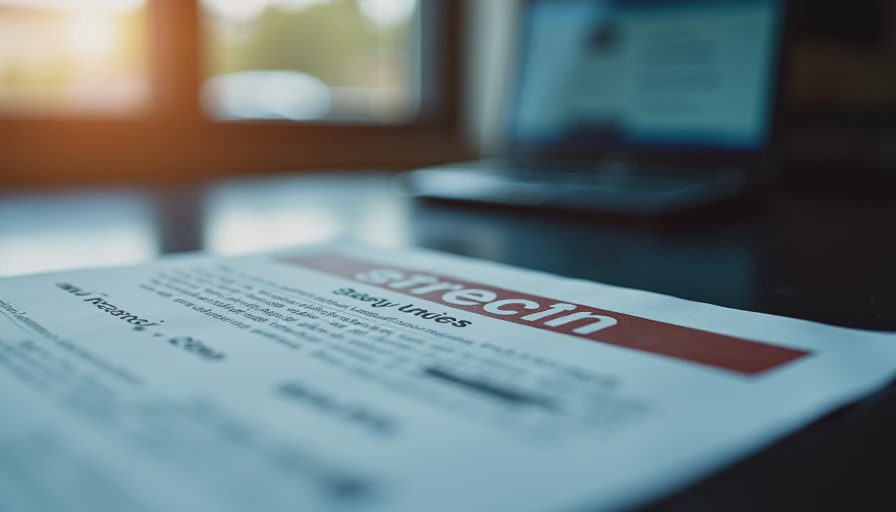
What a Nissan recall actually means
A safety recall means the automaker or regulator has determined that a vehicle, equipment item, or component creates an unreasonable safety risk or fails to meet a federal safety standard. Nissan may notify owners by mail, while NHTSA can publish the manufacturer's filing and campaign information. The notice normally explains the defect, the potential consequence, warning signs, and the planned remedy.
The fix could involve replacing an air bag inflator, updating software, inspecting a wiring harness, securing a fastener, replacing a camera, or installing a redesigned component. Some repairs take less than an hour. Others require a vehicle to remain at the dealership while technicians remove trim, test electrical systems, or wait for parts.
A recall is different from a technical service bulletin, or TSB. A TSB gives technicians guidance for diagnosing or repairing a recurring issue, but it does not automatically create a free repair for every vehicle. Warranty coverage, vehicle age, and the specific bulletin determine who pays. Confusing a TSB with a recall is an expensive mistake at the service counter.
What owners should do after a Nissan recall notice
Read the notice instead of treating it like routine mail. Look for the campaign number, the component involved, and instructions about parking or driving. If the notice says to stop driving, avoid using the vehicle until Nissan provides a remedy. If it says to park outdoors because of a fire risk, follow that instruction literally rather than relying on a quick visual inspection.
Then call a Nissan dealer and describe the recall campaign, not just the symptom. A driver who says, “My Rogue has a recall,” may receive a broad answer. A driver who provides the VIN and campaign number can usually get a more useful appointment estimate. Ask whether the repair is available, how long the vehicle will be held, and whether loaner transportation is offered.
Keep copies of the notice, appointment confirmation, repair order, and any towing or rental receipts. A completed recall repair should appear on the service invoice. That paperwork helps with resale, fleet records, warranty questions, and disputes over whether the remedy was actually performed.
Does a recall affect insurance or a claim?
A Nissan recall does not automatically cancel an auto insurance policy or raise a premium. Insurers generally rate policies using factors such as driving history, location, vehicle characteristics, coverage limits, claims history, and sometimes credit-based insurance information where permitted. A recall by itself is not the same thing as a traffic violation or at-fault crash.
The practical issue is what happens if the defect contributes to a collision or fire. Liability, collision, comprehensive, and other coverages apply according to the policy language and the facts of the loss. For example, comprehensive coverage typically addresses non-collision damage such as theft or fire, while collision coverage generally addresses damage from striking another vehicle or object. A deductible can still apply even when the underlying problem is connected to a manufacturer defect.
Report the facts accurately to the insurer. Do not describe a recall repair as completed if the dealership has only scheduled it. If the vehicle is unsafe to drive, ask the adjuster about towing, rental transportation, and inspection procedures before authorizing repairs. Insurance cannot replace the manufacturer's recall remedy, and a policy should not be used as a reason to postpone a safety repair.

Buying a used Nissan with an open recall
An open recall is not automatically a reason to walk away from a used Nissan, but it is a reason to slow down the transaction. Run the VIN through both Nissan's owner portal and NHTSA's database before signing paperwork. Ask the seller for service records and a written promise that the open campaign will be completed by a Nissan dealer.
Do not accept “the dealer said it is fine” as documentation. A proper record should identify the campaign and show the repair date. If parts are unavailable, price the uncertainty into the deal and confirm whether the vehicle can legally and safely be driven while waiting. Some remedies are minor; others involve restraint systems, steering, braking, fuel, or high-voltage components and deserve immediate attention.
A pre-purchase inspection remains useful because a recall only covers the specified defect. It does not certify the tires, brakes, suspension, battery health, accident repairs, or general mechanical condition. A clean recall search is not a clean bill of health.
The quick checklist for Nissan owners
- Locate the 17-character VIN and save a photo of it.
- Search Nissan's recall page and NHTSA.gov.
- Record the campaign number and remedy description.
- Ask a dealer whether parts are in stock.
- Follow every parking or driving warning in the notice.
- Save repair orders, towing receipts, and rental records.
- Recheck the VIN after the repair if the database still shows an open campaign.
The useful distinction is between news and action. A headline can tell you that Nissan is recalling a model, but only a VIN search tells you whether your vehicle is involved. The same discipline applies to insurance: compare coverage before a loss, keep your declarations page current, and understand the deductible that would apply.
A Nissan recall is ultimately a process, not just a press release. Verify the VIN, read the safety instructions, schedule the remedy, and document the work. If a notice is unclear, contact Nissan customer service, NHTSA, or a qualified dealer rather than guessing. That is less dramatic than an online rumor, but it is how owners keep a manageable service issue from becoming a roadside emergency.

Travellers Write
No letters yet — be the first traveller to write.