
A Kia Telluride recall is not one single event covering every SUV with the Telluride badge. Recalls are tied to specific model years, production batches, components, and safety defects, so the useful question is whether a particular vehicle identification number is affected. That distinction matters for owners, shoppers, and dealers trying to separate a real campaign from an old social-media post.
The fastest answer comes from the National Highway Traffic Safety Administration's VIN lookup and Kia's owner portal. Enter the 17-character VIN, not the license plate, and review every open safety campaign. A dealer can also search the vehicle's record. Recall repairs are generally completed at no charge, even when the vehicle is outside its basic warranty period.
What a Kia Telluride recall actually means
A safety recall means the automaker or federal safety regulators have identified a defect that creates an unreasonable safety risk or fails to meet a federal safety standard. The remedy can involve replacing a part, updating software, inspecting a component, or performing a combination of those steps. It is different from a technical service bulletin, which usually addresses a recurring issue without declaring a formal safety defect.
Telluride campaigns have involved different systems over the SUV's production life, including electrical components, seating equipment, braking-related hardware, and other parts depending on the model year and campaign. That list is not a substitute for a VIN search. Two Tellurides built months apart can have different equipment and different recall status, while a vehicle that received a repair can still appear in an online discussion about the original problem.
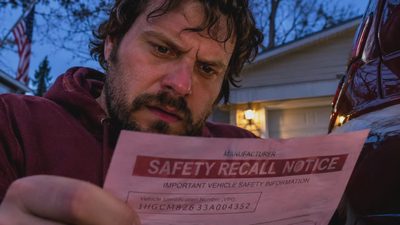
The recall notice should identify the defect, the potential consequence, warning signs, remedy, and owner contact instructions. Read the notice rather than relying on a headline. “Risk of fire,” “loss of drive,” and “reduced restraint performance” describe very different situations and require different levels of urgency.

How to check your Telluride by VIN
Start at NHTSA.gov and use the vehicle recall lookup tool. You can also visit Kia's official owners site or call a Kia dealership's service department. The VIN is normally visible at the lower driver's-side corner of the windshield, on the driver's door-jamb label, and on registration or insurance documents.
A clean result does not guarantee that the vehicle has never had a problem. It means no unrepaired safety recall is currently reported for that VIN in that database. Newly announced campaigns can take time to populate, and completed repairs remain part of the vehicle's service history rather than an open action. Ask a dealer to confirm completion dates if you are buying a used example.
For a Kia Telluride recall that remains open, save the campaign number and notice date. Then ask the dealer whether parts are available, how long the repair takes, and whether the SUV should be parked until the appointment. Some repairs are routine; others require immediate attention if a warning light, burning smell, smoke, abnormal braking, or loss of power appears.
What owners should do after finding an open campaign
Call an authorized Kia dealer and describe the recall number, VIN, and current symptoms. Do not pay an independent shop to perform the official remedy unless the dealer or manufacturer has given you a specific reason. The authorized repair is normally provided without charge, and the dealer should document the work in the vehicle's service history.
If the vehicle is unsafe to drive, ask about towing rather than treating a warning as a minor inconvenience. Keep receipts for towing, rental transportation, or previous repairs related to the same defect. Federal recall procedures can address reimbursement in some circumstances, but eligibility depends on the campaign and the repair history. The notice and Kia's instructions control the details.
Owners should also check whether a second campaign is open after the first repair. A completed remedy fixes one identified defect; it does not create a permanent clean bill of health. Continue normal maintenance, including tire inspections, brake service, fluid checks, and software updates that are not part of the recall.
Buying a used Telluride with recall history
A used Telluride with a completed recall is not automatically a bad purchase. In fact, documented recall completion is better than an unresolved campaign. Request the VIN before visiting the seller, run the federal lookup, and ask for a printout or digital service record showing the remedy was performed.
Pay close attention to vague language such as “dealer checked it” or “the recall was handled.” A proper record should identify the campaign, repair date, mileage, and dealership. Have an independent mechanic inspect the vehicle for accident damage, uneven tire wear, fluid leaks, brake condition, and evidence of neglected maintenance. A recall repair does not cover unrelated wear or previous collision damage.
Pricing should reflect condition, mileage, trim, and local supply, not internet panic. A buyer who finds an open Kia Telluride recall can ask the seller to complete the repair before closing or negotiate based on the time required. Never assume a promised future repair is complete until the VIN record confirms it.

Does a recall affect insurance?
A recall itself typically does not cancel an auto policy or automatically raise a premium. Insurance pricing is driven mainly by factors such as driving history, location, vehicle characteristics, coverage limits, claims, and deductibles. However, a driver who ignores a serious safety notice and then has a crash could face difficult questions about vehicle condition and responsibility.
Collision coverage addresses damage to the insured vehicle from a covered crash, while comprehensive coverage generally addresses non-collision losses such as theft, hail, or fire. Neither coverage is a replacement for a recall repair. Liability coverage pays for injuries or property damage a policyholder causes to others, subject to policy limits. If a recall involves fire risk, ask the insurer whether temporary transportation or a fire-related loss would be handled under the existing policy; coverage depends on the facts and policy language.
Keep the recall notice, dealer invoice, and repair confirmation with your vehicle records. Those documents can help with a claim, resale, warranty discussion, or dispute about when a defect was repaired.
The bottom line for Telluride drivers
A Kia Telluride recall deserves a VIN-specific answer, not a guess based on a model-year rumor. Check NHTSA, Kia, and an authorized dealer; understand the stated risk; and schedule the remedy promptly. If the notice recommends parking the SUV, follow that instruction and arrange transportation or towing.
Here's what we know — and here's what we don't: a recall identifies a defined safety problem, but only the VIN record tells you whether that particular Telluride is affected and whether the repair is complete. Spend five minutes checking before a long trip, a sale, or a purchase. That is faster, cheaper, and more useful than trusting the loudest post in the owner forum.


Travellers Write
No letters yet — be the first traveller to write.