The national highway traffic safety administration is the federal agency most drivers encounter when a vehicle is recalled, a crash-rating question surfaces, or a suspected defect needs reporting. Officially known as the National Highway Traffic Safety Administration, or NHTSA, it sits within the U.S. Department of Transportation and oversees a wide slice of the country’s vehicle-safety system. It does not repair cars, set insurance premiums, or replace a manufacturer’s customer-service department. Its job is to investigate safety problems, set and enforce vehicle standards, publish crash information, and push manufacturers to fix defects.
That sounds straightforward until a recall notice lands in an inbox. The notice might involve a software update, a seat-belt component, a fire risk, or a steering failure. The practical question is always the same: What should an owner do next? Here’s what we know — and here’s what we don’t.
What NHTSA actually does
The national highway traffic safety administration writes and enforces Federal Motor Vehicle Safety Standards covering equipment such as brakes, lighting, tires, airbags, child restraints, electronic stability control, and occupant protection. Automakers and equipment manufacturers must certify that their products meet those standards. When a product is found to create an unreasonable safety risk, the manufacturer generally must notify owners and provide a remedy, typically at no charge.
The agency also runs the Office of Defects Investigation, which reviews complaints and evaluates whether a broader investigation is warranted. A complaint does not automatically prove a defect. It is one data point among reports from other owners, crash records, manufacturer information, field investigations, and engineering evidence. That distinction matters: a dramatic social-media post can attract attention, but an agency investigation requires a documented safety concern.
NHTSA’s authority covers more than passenger cars. Its work includes motorcycles, school buses, commercial equipment, tires, child seats, and some automated-driving technologies. It also administers safety campaigns and publishes consumer information intended to help people make more informed vehicle decisions.

How to check a vehicle recall
The fastest consumer tool from the national highway traffic safety administration is the VIN lookup. A vehicle identification number search can show whether a specific car has an unrepaired safety recall. The VIN is usually visible through the windshield on the driver’s side, printed on the registration, and listed on the insurance card or title documents.
A recall search is more useful than relying on a model-year headline. A manufacturer may recall only certain production dates, plants, configurations, or components. Two vehicles with the same badge can have different recall status. Search the VIN at NHTSA’s official recall website, then compare the result with the manufacturer’s owner portal. If the site shows an open recall, contact an authorized dealer and ask for the remedy schedule.
Owners should not assume that every service campaign appears in a federal recall database. Technical service bulletins, warranty extensions, and customer-satisfaction programs can address recurring problems without meeting the legal threshold for a safety recall. Those repairs may not be free. A dealer can explain the difference, but the paperwork should identify whether the work is a safety recall remedy, warranty repair, or separate service operation.
If a recall involves fire, brake loss, steering, unintended movement, or another immediate hazard, follow the manufacturer’s operating instructions. Some notices say to park outdoors, stop charging, avoid a particular seat, or avoid driving until a repair is completed. Do not treat that language as optional fine print.
Reporting a suspected safety defect
The national highway traffic safety administration accepts vehicle safety complaints from owners, passengers, mechanics, and other people with firsthand information. A useful complaint includes the vehicle identification number, mileage, dates, weather or road conditions, warning lights, repairs, dealer visits, and what happened immediately before and after the incident. Attach invoices or photographs when the reporting system permits it.
Precision beats outrage. “The car is dangerous” is less useful than “the steering assist disappeared at 42 mph after the vehicle warmed up; the warning light appeared, and the dealer replaced a module at 61,000 miles.” The agency can compare specific patterns across vehicles and model years. A complaint is not a guarantee of a recall, reimbursement, or individual legal remedy, but it becomes part of the agency’s safety record.
Drivers should preserve repair orders and avoid altering evidence after a serious incident when possible. If a crash involved an injury, fire, or major component failure, medical care and local emergency reporting come first. NHTSA is a federal safety agency, not an emergency-response service or a substitute for legal advice.
Reading crash ratings without getting misled
The national highway traffic safety administration conducts the New Car Assessment Program, commonly recognized through its five-star safety ratings. Ratings can help shoppers compare vehicles, but they are not a complete prediction of what happens in every crash. Test results use defined crash configurations and occupant measurements. Real-world outcomes depend on speed, impact angle, vehicle size, restraint use, road conditions, and whether advanced safety systems functioned as designed.
Look beyond the headline star count. Review frontal, side, and rollover categories, then examine the individual vehicle’s standard and optional driver-assistance equipment. A lane-departure warning system is not the same as an automatic emergency-braking system, and available equipment may be packaged differently across trims. Insurance pricing also does not track directly with a star rating. Insurers weigh claims experience, repair costs, theft rates, location, driving history, coverage limits, and deductibles.
Independent testing from the Insurance Institute for Highway Safety can add another perspective, although its methods and award labels differ from federal testing. Smart shoppers read the test details instead of treating one badge as a universal safety verdict.
Recalls, insurance, and the owner’s bill
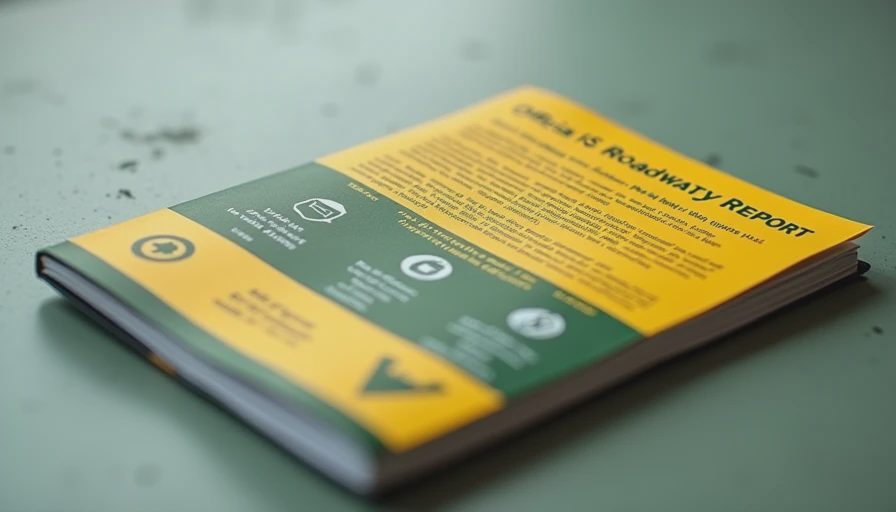
A safety recall remedy is generally provided by the manufacturer without charging the owner for the required repair. That does not mean every cost connected to a recall disappears. Towing, rental transportation, missed work, or damage from a separate incident can involve different policies and dispute processes. Comprehensive and collision coverage address different kinds of physical damage, while liability coverage generally pays for damage or injuries a covered driver causes to others, subject to policy limits.
A recall itself usually does not automatically change an insurance premium. However, a vehicle with expensive parts, a high theft rate, repeated claims, or a costly repair process can affect pricing over time. Before buying a used car, run the VIN through the federal recall database, request service records, and ask whether open work has been completed. That small inspection step can prevent a much larger ownership headache.
A practical safety checklist
Start with the VIN and confirm the exact recall status. Read the manufacturer’s notice rather than relying on a summary posted in a forum. Call a dealer with the recall number, ask whether parts are available, and request a written appointment confirmation. If the repair is delayed, ask what driving restrictions apply and whether transportation is offered.
Next, review your vehicle’s owner manual for warning-light guidance and recommended maintenance. Submit a factual complaint if the vehicle shows a recurring safety failure that is not already under recall. Keep copies of photos, invoices, tow bills, and dealer communications. Finally, check for updates after the repair; some recalls use a temporary remedy first and a permanent fix later.
The national highway traffic safety administration cannot make every vehicle problem disappear, and its database is not a substitute for mechanical judgment. It does give owners a public record, a reporting channel, and a way to separate verified safety action from internet noise. For drivers, that is the signal worth following. The national highway traffic safety administration is most useful when owners bring it specific information, check their VINs, and act promptly when a real safety risk is identified.


Travellers Write
No letters yet — be the first traveller to write.