A nhtsa recall is not a routine service reminder. It means the automaker or federal safety agency has identified a defect that creates an unreasonable safety risk, and the manufacturer must provide a remedy at no charge. The notice could involve a brake component, airbag, seat belt, steering part, battery system, software fault, or fire risk. For owners, the important question is simple: Is my specific vehicle affected, and what should I do next?
What an NHTSA recall actually means
The National Highway Traffic Safety Administration tracks safety complaints, investigates possible defects, and publishes recall information submitted by automakers. A recall campaign receives a campaign number, and the manufacturer generally sends notices to registered owners. That letter can arrive weeks after the filing, especially if ownership records are outdated or the remedy is still being developed.
A nhtsa recall is different from a technical service bulletin, or TSB. A TSB tells dealership technicians how to diagnose or repair a recurring issue; it does not automatically mean the automaker must fix every affected vehicle for free. A safety recall does. Warranty coverage also differs: a warranty usually covers a defect for a defined time or mileage, while a safety recall remedy generally applies regardless of whether the vehicle is still under its original warranty.
Reading between the lines of the press release matters. The defect description, affected production dates, remedy status, and owner instructions tell you more than the headline. “Remedy not yet available” means the recall is real but the parts, software, or repair procedure are not ready. Do not treat that status as a closed case.
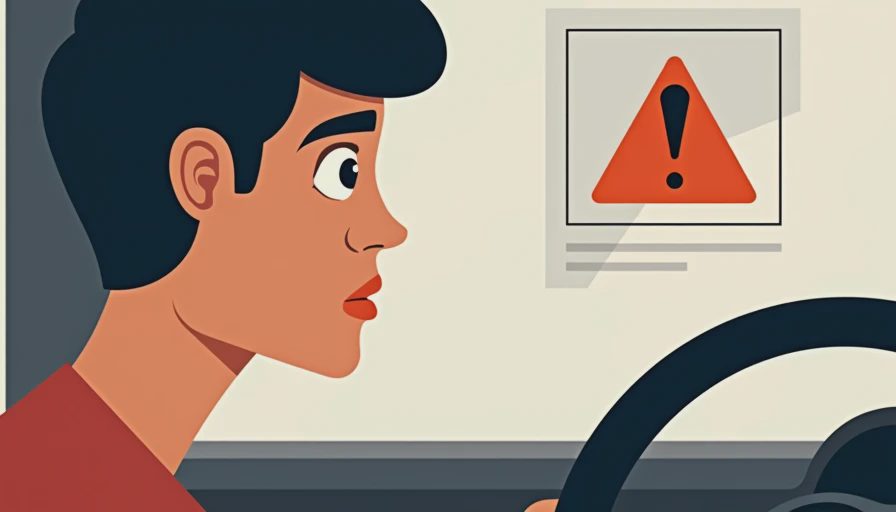
How to check your VIN
Start with the 17-character vehicle identification number. It is usually visible at the lower driver-side corner of the windshield, on the driver-door label, and on registration or insurance documents. Enter that number into NHTSA’s official vehicle safety recall search tool. The result should show unrepaired safety recalls associated with that vehicle, rather than every campaign issued for the model line.
A nhtsa recall search is most useful when you run it after buying a used vehicle, before a long road trip, and whenever an owner forum or local news report raises a credible concern. Search by VIN instead of relying only on year, make, and model. Two cars that look identical can have different components, assembly dates, suppliers, or software versions.
The result may show “incomplete,” “remedy available,” or a notice that no open recalls are listed. No result does not prove the vehicle has never had a defect. It means the database does not show an open campaign tied to that VIN. Completed campaigns disappear from the open-recall list, and very new filings can take time to appear. Keep repair invoices and dealer paperwork so you can confirm what was completed.
What to do after finding an open recall
Read the owner letter or recall record before calling the dealer. Note the campaign number, affected part, warning signs, driving restrictions, and remedy status. Then contact an authorized dealer for the vehicle’s brand. Ask whether the repair parts are in stock, whether an appointment is required, and whether the repair will be recorded against the VIN.
If the notice says to stop driving, do exactly that. Depending on the defect, the automaker might recommend parking outdoors, avoiding charging, limiting passengers, or arranging a tow. Those instructions are not general legal advice; they are campaign-specific safety guidance. A dealer may provide a loaner or towing support, but those policies differ by manufacturer and situation.
A nhtsa recall repair should not come with a parts charge or labor bill. Be wary of a shop that tries to sell an unrelated service as a condition of completing the campaign. Cabin filters, brake flushes, tires, and alignment work can be legitimate maintenance, but they are separate from the free safety remedy. Ask for the repair order and confirm that the campaign number appears on it.

Recalls, used cars, and insurance
An open recall can affect a purchase decision even when the repair is free. A dealer may be able to complete the work quickly, or the required part may be backordered for months. Get the VIN before signing anything, run the nhtsa recall search, and ask for written confirmation of the repair plan. A private seller should disclose known problems, but buyers should still perform their own check.
Most standard auto insurance policies do not pay to repair a manufacturer defect through collision or comprehensive coverage. Collision coverage addresses damage from a crash, while comprehensive coverage typically addresses non-collision events such as theft, hail, fire, or falling objects. If a recalled part fails and causes a crash, the resulting claim can become more complicated than a normal repair. Report the incident accurately, preserve the vehicle, and keep every notice, photograph, tow receipt, and service record.
An open nhtsa recall does not automatically make a vehicle uninsurable. Insurers generally price policies using factors such as driving history, location, vehicle type, claims history, coverage limits, and deductible. Still, an unrepaired defect can create a serious safety concern, particularly when the notice involves loss of steering, braking, restraint systems, or battery fire.
How automakers handle the remedy
Recall repairs can be mechanical, electrical, or software-based. A dealer might replace an airbag inflator, install a revised fuel-pump module, reinforce a seat bracket, update battery-management software, or inspect a wiring harness. The remedy description should explain the basic action, but the technician’s repair order is the best record of what happened to your vehicle.
Parts shortages are common in large campaigns. If the remedy is unavailable, ask the dealer to place the vehicle on a notification list and ask the manufacturer’s customer-care line what interim steps apply. Record the date, representative reference number, and any driving instruction. Here’s what we know — and here’s what we don’t: a recall filing establishes a safety issue, but it does not always establish the final repair timeline on day one.
For electric vehicles, pay close attention to charging instructions and battery-related warnings. Do not ignore unusual heat, smoke, odor, warning messages, or repeated charging interruptions. Follow the manufacturer’s emergency guidance and move away from a vehicle that appears to be overheating. A software update can be a legitimate recall remedy, but owners should still verify that the campaign was closed and documented.
A practical recall checklist
First, locate the VIN and run the official NHTSA search. Second, read the complete notice, including any “do not drive” or parking instructions. Third, call an authorized dealer and give the campaign number and VIN. Fourth, ask whether the remedy is available and whether towing or alternate transportation is offered. Fifth, save the repair order, invoices, emails, and photographs. Finally, search again after the appointment to confirm the campaign is no longer open.
If the vehicle has changed hands, update the registration and manufacturer owner record. That helps future nhtsa recall notices reach the right driver. You can also report a suspected safety defect through NHTSA if your experience is not covered by an existing campaign. A complaint is not proof that a recall will follow, but patterns in complaints can help investigators identify a wider problem.
The smart response is fast, documented, and boring. That is exactly what you want from a safety process. Check the VIN, follow the instructions, and get the free repair completed before a warning in the database becomes a breakdown on the shoulder.


Travellers Write
No letters yet — be the first traveller to write.