A toyota recall by vin search tells you whether a specific vehicle has an outstanding safety recall, not merely whether its model made headlines. Enter the 17-character vehicle identification number into Toyota’s recall lookup or the National Highway Traffic Safety Administration’s recall tool. If a recall appears, contact a Toyota dealer with the VIN and ask about the remedy, parts availability, and any driving restrictions.
Where to run the check
Start at Toyota’s official US website and look for its safety recall and service campaign lookup. Enter the full VIN exactly as printed on the vehicle or registration. The result should identify applicable campaigns and their status; read the details rather than stopping at the headline.
For an independent cross-check, go to NHTSA.gov/recalls and enter the same number. NHTSA’s tool is focused on unrepaired safety recalls. Toyota’s lookup can also show certain other service campaigns, so the two screens may not display identical information. That difference alone does not mean one is wrong.
A Toyota recall by VIN search is more useful than a model-year search because manufacturers define affected populations by production records and other factors. Two vehicles with the same model and year can have different results. A news story tells you what prompted the recall; the VIN lookup tells you whether your vehicle is included.
If you own a Lexus, use the Lexus recall lookup or the NHTSA tool, and contact a Lexus dealer about an applicable repair. For a vehicle sold outside the United States, start with the manufacturer’s recall resources in the market where it was sold; US lookup results may not cover it.
Find the right 17 characters
The VIN is typically visible through the windshield at the lower corner of the dashboard on the driver’s side. You can also find it on a label in the driver’s door jamb and on documents such as the registration or insurance card. Compare the documents with the vehicle if anything looks off.
Modern VINs do not use the letters I, O, or Q, which helps distinguish them from the numerals 1 and 0. A typo can prevent a match or send you down the wrong trail. Copy the number from the vehicle itself when practical, and avoid posting it publicly when asking for help online.
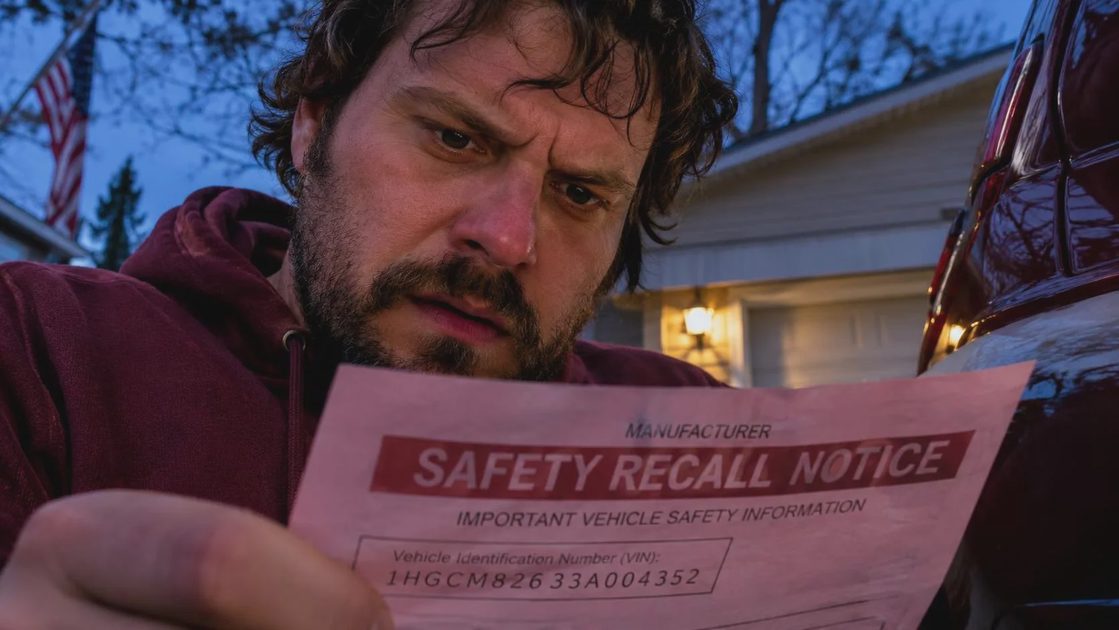
A pre-1981 vehicle may have a shorter identification number. If an online form rejects it, contact Toyota customer service or a dealer rather than guessing at missing characters. The same goes for an imported vehicle whose identifier does not fit the US tool.
What the results actually mean
An open safety recall means the manufacturer’s records show that the vehicle is included and the recall has not been recorded as completed. Open does not necessarily mean the dealer has the fix ready. The listing may say the remedy is available, or it may indicate that a repair is still being developed or parts are pending.
Read the description of the defect, the potential safety risk, and the remedy status. If the notice says not to drive or advises parking outside, follow that instruction and contact the dealer or manufacturer about next steps. Do not assume every recall carries the same urgency, but do not treat a wait for parts as permission to ignore a specific warning.
A completed status generally means the repair has been reported as performed. If you recently had the work done and the lookup still shows it open, allow time for records to update and ask the dealer to verify the repair using its service records. Keep your repair invoice or completion paperwork.
No open recall is not a guarantee that the vehicle is defect-free. It means the search did not return an applicable unrepaired safety recall in that tool’s records at that time. Recalls can be announced later, and a newly announced campaign may take time to appear at the individual VIN level. Check again if you have reason to believe your vehicle is involved.
Schedule the repair and ask the right questions
For a Toyota recall by VIN result showing an open safety recall, call an authorized Toyota dealer’s service department. Give them the VIN and campaign number if one is listed. Ask whether the remedy and necessary parts are available, how long the appointment is expected to take, and whether there are interim precautions. If one dealer cannot schedule promptly, try another authorized Toyota dealer.
Safety recall repairs are generally performed at no charge. Ask about any proposed charge before authorizing work, especially if the dealer identifies unrelated maintenance or repairs. Those items are separate from the recall; you can ask for a written explanation and decide whether to approve them.
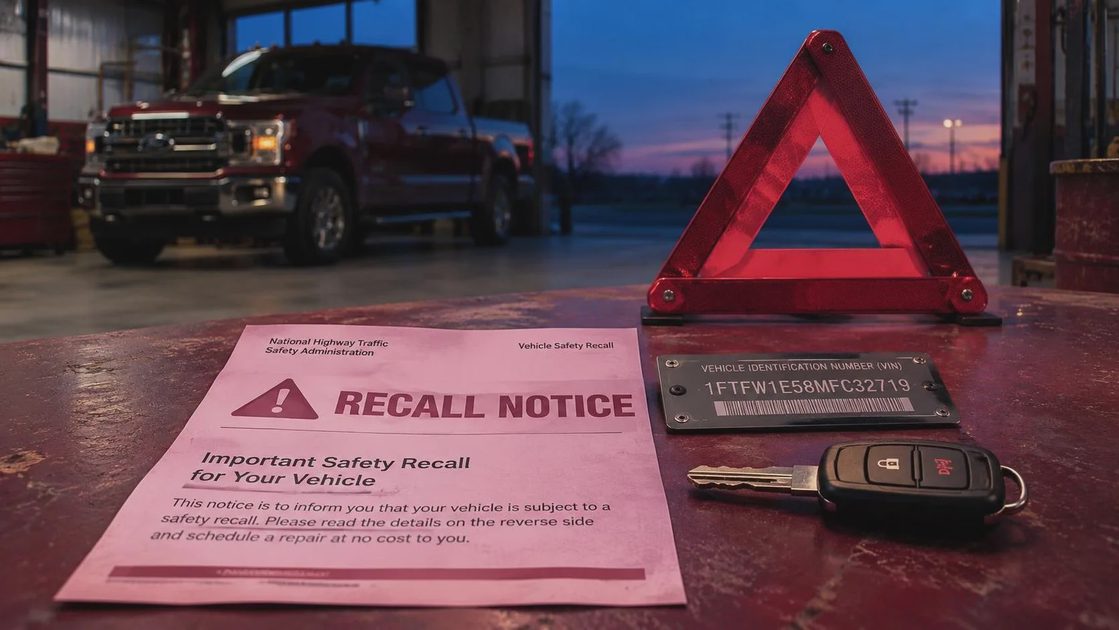
If you already paid for a repair related to the recalled condition, ask Toyota about reimbursement eligibility and the documentation required. Save the invoice, proof of payment, and recall notice. Reimbursement rules and deadlines can depend on the campaign and circumstances, so do not assume an earlier bill will automatically be covered.
When parts are unavailable, ask the dealer how you will be notified and whether Toyota has provided transportation or other assistance for that campaign. Such assistance is not automatic for every recall. Update your contact information with Toyota so a notice has a better chance of reaching you, particularly if you bought the vehicle used.
Recall, service campaign, or TSB?
A safety recall addresses a safety-related defect or a failure to meet an applicable federal motor vehicle safety standard. A technical service bulletin, by contrast, is generally guidance to service personnel about diagnosing or repairing a condition; a TSB is not itself a safety recall. Warranty coverage for a TSB-related repair depends on the circumstances and the applicable warranty.
Toyota may also run service campaigns that are not safety recalls. Read the campaign terms for eligibility, coverage, and any expiration date. A dealer can explain which action applies to your VIN and whether a charge is involved.
If the lookup shows nothing but you are experiencing a potentially dangerous defect, document the symptoms and contact a dealer. You can also report the problem to NHTSA through its website. A report is not a substitute for a repair, and one complaint does not establish that a recall is warranted. It does put the issue into the federal safety reporting process.
For a used vehicle, run the VIN before purchase and again after taking ownership. Ask the seller for documentation of completed work, then verify open campaigns yourself. The practical next step is the same for an existing owner: save the result, contact the appropriate dealer, and get a specific answer on the remedy rather than relying on a model-wide headline.
Travellers Write
No letters yet — be the first traveller to write.