
Car recalls are not dealership gossip or a routine maintenance reminder. They are formal safety actions issued when a manufacturer or the National Highway Traffic Safety Administration identifies a defect that could create an unreasonable safety risk. The practical question for any driver is simple: Is my vehicle affected, and what should I do next?
The answer starts with the vehicle identification number, or VIN. You can usually find it on the driver-side dashboard near the windshield, on the driver's door-jamb label, and on registration or insurance paperwork. Enter that 17-character number into NHTSA's recall lookup tool, then compare the result with notices from your automaker. A model-wide headline is only the starting point; the VIN determines whether a specific vehicle is included.
What a recall notice actually means
A safety recall identifies a defect connected to motor vehicle safety and requires a remedy at no charge to the owner. The problem could involve a brake component, air bag, steering system, seat belt, fuel system, software function, battery pack, or fire risk. The remedy might be a replacement part, a software update, an inspection, or a redesigned component.
Car recalls are different from technical service bulletins, commonly called TSBs. A TSB gives technicians guidance for diagnosing or repairing a known issue, but it does not necessarily mean the manufacturer must repair every affected vehicle for free. A warranty repair is also different: it generally covers a failed part during a stated time or mileage period, while a safety recall is tied to a documented defect and an official remedy.
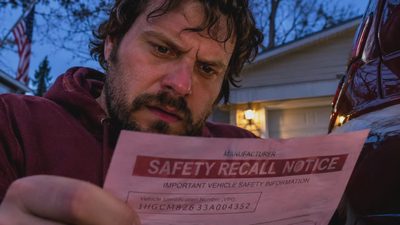
Read the notice for three details: the defect, the potential consequence, and the remedy schedule. If the notice says not to drive the vehicle, do not treat that language as a suggestion. Park it outdoors when the manufacturer warns of fire risk, keep passengers away from a damaged seat belt, and follow instructions about towing or dealer appointments.
How to check your vehicle quickly
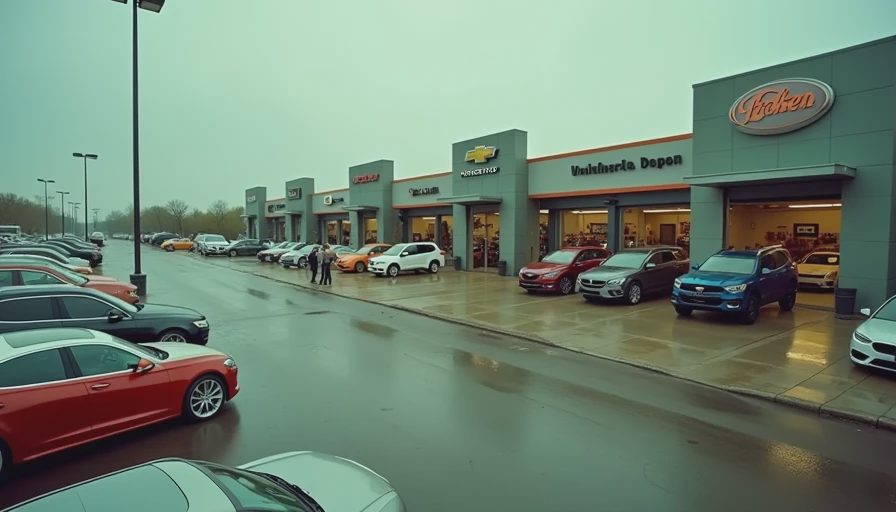
Start with NHTSA.gov and use the VIN search rather than relying on a generic internet search. The federal database can show incomplete, repaired, or unrepaired recalls reported by manufacturers. It generally does not display completed recalls, recalls older than a certain reporting window, or every service campaign. That is why the automaker's owner portal and a dealer service department remain useful second checks.
Call a franchised dealer for the brand and provide the VIN. Ask whether the repair is open, whether parts are available, and whether the dealer can arrange a loaner or tow if the notice limits driving. Keep the confirmation number, appointment date, and repair order. Those records matter if you sell the vehicle, dispute a repair charge, or need to document that a safety issue was addressed.
Used-car shoppers should run this check before signing paperwork. A dealer may advertise a vehicle as inspected, but that phrase does not prove every open recall has been repaired. Federal law prohibits dealers from selling new vehicles with unrepaired safety recalls, while used-car rules vary by dealership and state. A written repair history is more useful than a salesperson's verbal assurance.
What owners pay, and what insurance covers
The recall remedy itself is normally free. That does not mean every expense connected with the situation disappears. You could face fuel costs, a rental car, towing, missed work, or a separate repair caused by ordinary wear. Ask the dealer what is covered before authorizing anything outside the recall procedure.
Car recalls usually do not change the basic structure of your auto insurance. Liability coverage pays for injuries or property damage you cause to others, not for repairing a manufacturer defect in your own vehicle. Collision coverage generally responds to damage from a crash, subject to your deductible. Comprehensive coverage can apply to events such as theft, vandalism, hail, or certain non-collision losses, but it is not a substitute for a recall remedy.
Suppose a defective component fails and you crash into a guardrail. Your collision insurer could handle covered vehicle damage after the deductible, while the manufacturer could remain responsible for the defect under applicable law. If a recall involves a fire and the vehicle is damaged, coverage depends on the facts, policy language, and cause determination. Report a loss promptly, preserve repair documents, and do not assume a recall automatically guarantees an insurance payment.
Why recall completion matters at resale
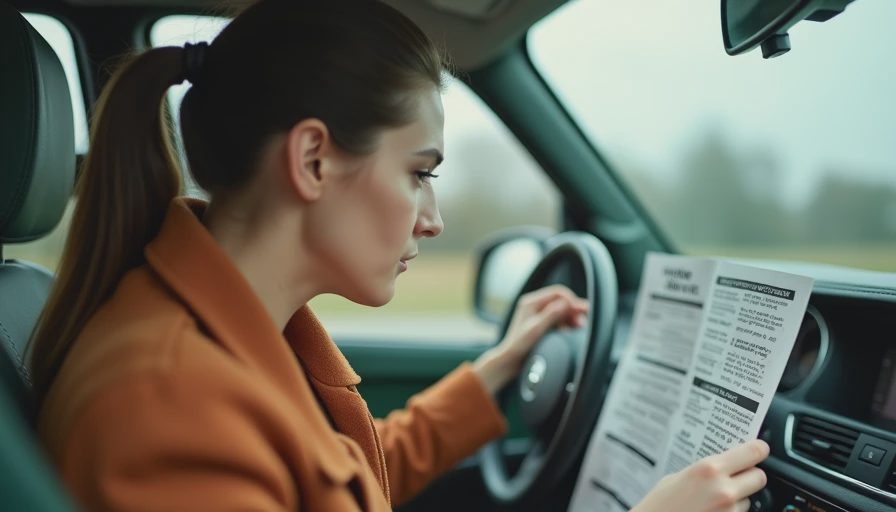
An open safety recall can reduce buyer confidence and complicate a trade-in. Online valuation tools may not capture the issue immediately, but dealers can see manufacturer service records and may deduct for the time needed to complete repairs. Electric vehicles deserve extra attention because a battery-related remedy can involve software monitoring, module replacement, or a temporary charging restriction.
Manufacturers do not always have parts ready when the first notice arrives. Supply shortages, engineering changes, and dealer capacity can delay a repair. Until the remedy is available, follow the manufacturer's interim guidance. Do not install an unrelated aftermarket part as a workaround, and do not delete a warning light simply to make the vehicle easier to sell.
For a private sale, disclose the open recall in writing. Give the buyer the NHTSA notice and any dealer correspondence. Transparency will not make an unresolved defect disappear, but it prevents a straightforward safety problem from becoming a larger consumer dispute.
A practical recall checklist
- Locate the VIN and confirm the exact model year, trim, and vehicle.
- Search the VIN through NHTSA and the automaker's owner website.
- Read the notice for drive, park, charging, and passenger restrictions.
- Contact an authorized dealer and ask whether the remedy is available.
- Book the repair and request written confirmation when it is completed.
- Save the repair order, towing receipts, rental paperwork, and related messages.
- Update your vehicle records before a sale, trade-in, or long trip.
If a dealer says no recall exists but the federal database shows one, ask the service manager to review the VIN again. A production date, regional campaign, or data-entry error can produce confusion. Escalate unresolved safety concerns through the automaker and NHTSA rather than accepting a vague promise that someone will call later.
The bottom line for drivers
Car recalls are one of the few automotive problems that can often be resolved without an owner paying for the core repair. The catch is that the owner has to act. Check the VIN, read the actual notice, follow any no-drive instruction, and keep a paper trail from the first call to the final repair order.
Car recalls also belong in your broader vehicle-risk routine. Review your insurance limits, confirm collision and comprehensive deductibles, and know how your insurer handles towing or rental reimbursement before a defect creates an emergency. Insurance protects against covered losses; it does not replace a manufacturer's safety remedy.
Here's what we know — and here's what we don't: a recall notice identifies a documented risk, but the right next move depends on the defect and the vehicle's VIN. Verify the facts through NHTSA, the automaker, and an authorized dealer. Then get the repair done before the warning becomes a roadside story.
Travellers Write
No letters yet — be the first traveller to write.