
A dodge recall may require a free safety repair, but a headline alone cannot tell you whether your vehicle is affected. Enter your 17-character vehicle identification number, or VIN, at NHTSA.gov/recalls or Dodge’s official recall lookup, then follow the instructions for any open campaign. Recall records and repair availability change, so check the live result before relying on a social media post or an old news story.
Here’s what we know — and here’s what we don’t: A VIN lookup can identify an open safety recall tied to your vehicle. It does not establish that every Dodge of the same model and year has the same defect, or that a newly announced remedy is already on dealer shelves. Specific recall announcements and remedy availability should be verified against the live record.
How to check a dodge recall by VIN
Find the VIN at the base of the windshield on the driver’s side, on the driver’s door-jamb label, or on your registration or insurance documents. Enter all 17 characters in the National Highway Traffic Safety Administration’s recall lookup. The manufacturer’s lookup is another useful check, particularly when you need its campaign number or customer-service information.
Read the result closely. An open recall generally means the required remedy has not been recorded as completed. A description of the affected component, the safety risk, and the planned repair should appear in the recall information. Save the NHTSA campaign number and the manufacturer’s recall number if both are listed; they give the dealer a precise starting point.
A search by model and year is useful for research, but it is not a substitute for a VIN search. Production dates, equipment, and supplier changes can determine which vehicles are included. Two Chargers built in the same model year, for example, are not automatically covered by the same campaign.
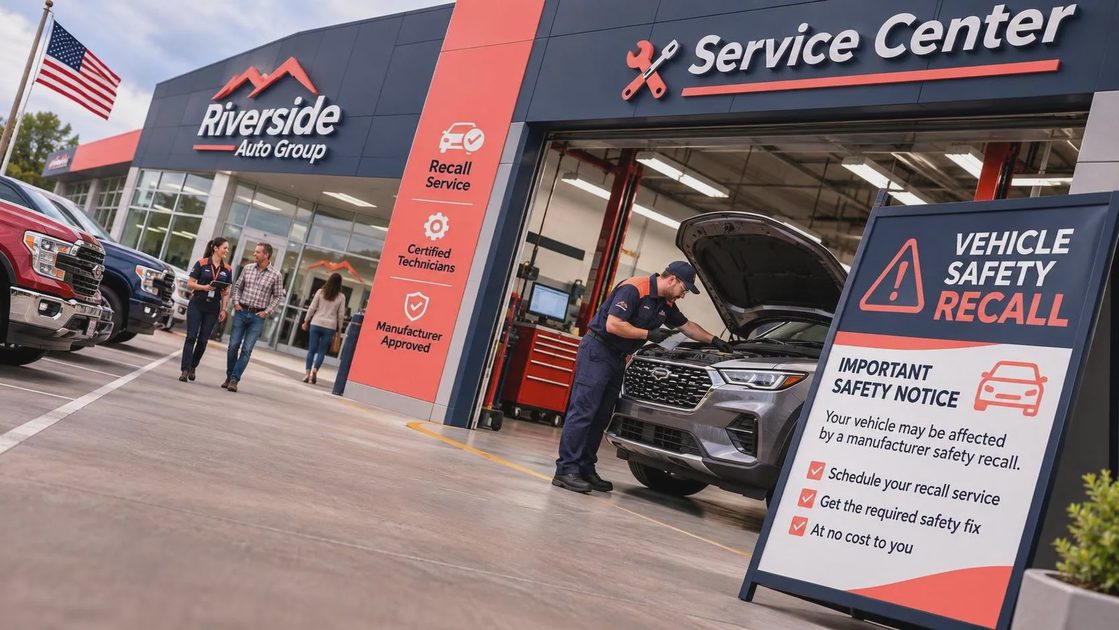
If the search shows no open recall, that is not a guarantee that the vehicle has no defect. It may have had a recall completed already, or an issue may not be subject to a recall. Newly announced campaigns can also take time to appear in VIN search results. If you have a notification or a serious safety concern that does not match the lookup, call Dodge or a dealer with the VIN and ask them to check.
What the warning and remedy actually mean
Every dodge recall deserves attention, but the instructions are not interchangeable. Some campaigns call for an inspection, some for a replacement part, and others for a software update. An inspection may lead to additional work only if the vehicle meets the criteria in the repair instructions.
Pay particular attention to a notice that says to stop driving or park outside. Those are specific safety instructions, not routine scheduling language. Follow the notice, contact the manufacturer or dealer, and ask how the vehicle should be transported if it should not be driven. Do not assume a loaner or towing arrangement is automatic; ask what assistance is available under that campaign.
A recall can be announced before the final remedy or replacement parts are ready. In that situation, ask whether an interim repair or other precaution applies, when the dealer expects an update, and how you will be notified. An estimated parts date is not the same thing as a confirmed appointment.
Scheduling a dodge recall repair
Contact an authorized Dodge dealer and provide the VIN and campaign number. Ask whether the remedy is available for your particular vehicle, whether parts must be ordered, and how long the dealer expects to need it. If you have more than one open campaign, ask whether the work can be combined. A dealer can also explain whether the vehicle needs an inspection before parts are ordered.
Safety recall repairs are generally performed without charge to the owner. A dealer may identify unrelated maintenance during the visit, but you do not have to authorize paid work to have a recall remedy performed. Ask for a written explanation of any proposed charge and keep the recall repair order when the work is complete.
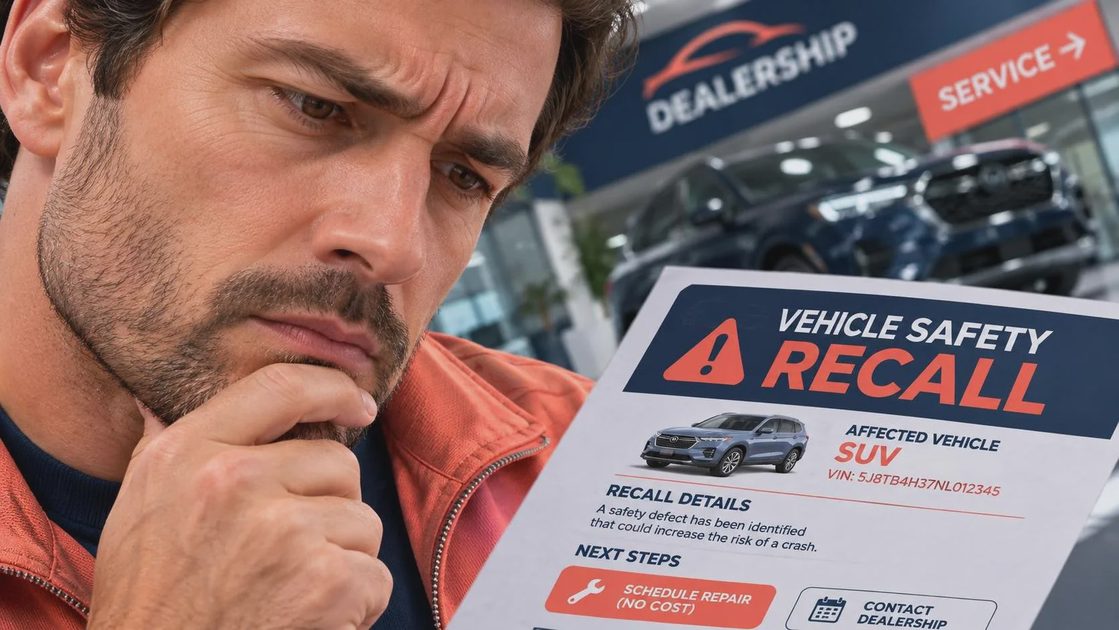
If the dealer cannot schedule the work promptly, contact Dodge customer service with the campaign number, dealer name, and dates of your calls. You can also contact NHTSA’s Vehicle Safety Hotline at 888-327-4236 or submit a complaint through NHTSA.gov. Describe the problem and the steps you have taken; a complaint creates a record, but it does not itself guarantee an immediate repair or parts supply.
Used vehicles, reimbursement, and open questions
A dodge recall follows the vehicle, not just the original purchaser. Used-vehicle owners should check the VIN even if a seller says all recalls were handled. If the work was completed recently and the online record has not changed, ask the dealer for documentation and allow time for the repair to be reported.
Owner notification letters are generally mailed using available registration information. If you have moved or bought the vehicle used, make sure your registration and manufacturer contact information are up to date. Do not wait for a letter if a VIN search already shows an open campaign.
If you paid for a repair that appears to address the same defect before the recall remedy was available, reimbursement may be possible. Review the recall notice for the manufacturer’s reimbursement instructions and eligibility terms. Keep the invoice, proof of payment, and documentation identifying the vehicle and work performed. A similar symptom alone does not establish that a prior repair qualifies.
A technical service bulletin is different from a safety recall. A TSB gives dealers repair or diagnostic guidance; it does not automatically make the work free or mean the government has determined there is a safety defect. Warranty coverage and any separate manufacturer program are questions for the dealer.
The practical next step is straightforward: run the VIN, read the actual campaign instructions, and make the call. If the lookup is clear but the vehicle has a recurring safety-related problem, document the symptoms and report them rather than treating a clean search as a diagnosis.
Travellers Write
No letters yet — be the first traveller to write.