A Honda recall can turn an ordinary commute into a paperwork problem, but the first step is straightforward: identify the affected vehicle and get the safety repair scheduled. Owners should use the vehicle identification number, or VIN, rather than relying on a model-year headline or a social media post. Here's what we know — and here's what we don't: a recall may affect only certain production batches, trims, or vehicles built during a narrow period.
What a Honda recall actually means
A safety recall means Honda or a federal safety regulator has determined that a vehicle, equipment item, or component creates an unreasonable safety risk or fails to meet a federal safety standard. Honda generally notifies registered owners and dealers, while the National Highway Traffic Safety Administration publishes recall information and tracks remedies.
The remedy is usually free at an authorized dealer. Depending on the defect, technicians may replace a part, update software, inspect a component, or modify an assembly. A notice does not automatically mean every vehicle with the same badge is affected. The VIN is the deciding detail.
That distinction matters because recalls differ from technical service bulletins. A TSB gives technicians guidance for a recurring issue, but it is not automatically a free repair. A recall is tied to a safety or compliance obligation and normally comes with a no-cost remedy. Warranty coverage, by contrast, depends on time, mileage, and the terms of the vehicle warranty.
How to check a Honda recall by VIN
Start with the 17-character VIN. It is printed on the driver-side dashboard near the windshield, on the driver's door-jamb label, and on vehicle registration or insurance documents. Enter it into Honda's official recall lookup tool and the NHTSA recall database. Use both sources when a notice is new, because databases and dealer systems do not always update at exactly the same time.
A proper Honda recall search should show whether an unrepaired safety campaign is open, what component is involved, and whether a remedy is available. Record the campaign number, the date you checked, and the name of the dealer or service department you contacted. That small paper trail helps if a parts delay, scheduling dispute, or later sale raises questions.
If the lookup returns no result, do not treat that as a mechanical clean bill of health. It means no open recall is currently linked to that VIN in the system. The vehicle can still have a maintenance issue, an expired campaign, a service bulletin, or a defect that has not yet resulted in a recall. For a used Honda, ask the seller for repair invoices and have an independent shop inspect safety-critical systems.
What owners should do after receiving a notice
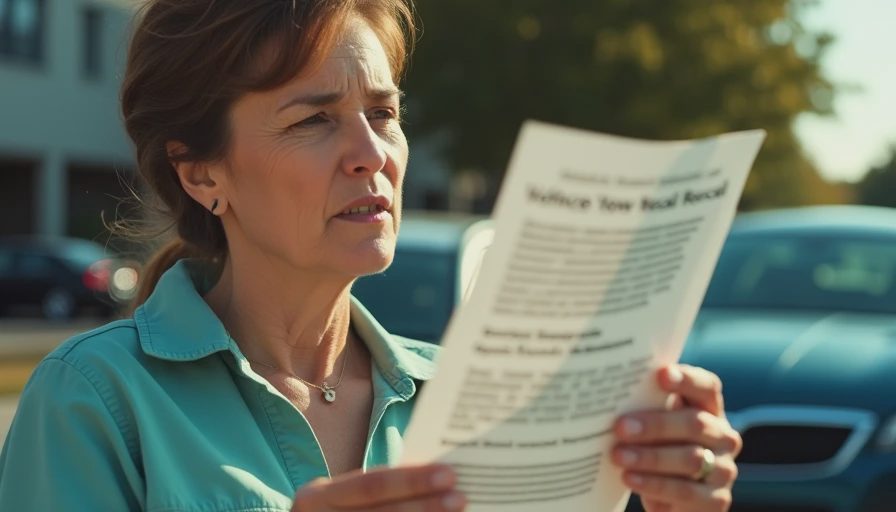
Read the notice before driving normally. It should explain the defect, the potential consequence, warning signs, and the recommended response. Some problems call for prompt dealer service; others include a “park outside” or “do not drive” warning. If the notice says to stop driving, follow that instruction and contact Honda roadside assistance or your insurer about transportation and towing options.
Call a dealer with the VIN and recall campaign number. Ask whether the remedy is in stock, how long the appointment will take, and whether a loaner vehicle is available. Airbag, fuel-system, brake, steering, and fire-risk repairs deserve priority over cosmetic complaints. If a dealer says there is no appointment, call another authorized Honda dealer; owners are not limited to the dealership that sold the car.
Keep the repair order showing the campaign number and completion date. If you paid for a related repair before the recall was announced, save the invoice and ask Honda whether reimbursement applies. Reimbursement rules are campaign-specific, so the original parts, labor description, and mileage can matter.
How a recall affects auto insurance
A Honda recall normally does not change your insurance premium by itself. Insurers price policies using factors such as driving history, location, vehicle use, coverage limits, deductible, claims history, and the vehicle's repair cost. A recall notice is not the same thing as a collision claim or a moving violation.
The insurance issue becomes more important if the defect contributes to a crash or causes damage. Liability coverage can respond when an insured driver injures another person or damages another vehicle, subject to policy limits. Collision coverage may address damage to the insured Honda after a crash, while comprehensive coverage generally applies to non-collision losses such as theft, hail, or fire. A recall does not replace either coverage.
Do not assume the manufacturer will automatically handle every loss. A driver should report a collision promptly, preserve photographs and repair records, and avoid making statements about fault before the facts are clear. If a defective component caused a fire or crash, the insurer may investigate recovery from responsible parties, but that process is separate from scheduling the recall repair.
Shopping coverage after receiving a notice can still make sense, especially if your policy is renewing. Compare liability limits, collision and comprehensive deductibles, rental reimbursement, roadside assistance, and uninsured motorist protection rather than chasing the lowest advertised monthly price. A difference of $15 to $30 per month can buy materially stronger protection after a serious loss.
Used Hondas, resale value, and repair records
An open Honda recall can complicate a private sale or trade-in. Dealers typically check the VIN during appraisal, and an unresolved campaign may delay delivery or reduce negotiating leverage until the repair is complete. That is not necessarily a reason to reject the vehicle, particularly when the remedy is free and parts are available, but it is a reason to verify the details before signing paperwork.
Ask for four items: the VIN search result, the recall campaign number, the dealer repair order, and maintenance records for related systems. A completed recall does not prove the car was maintained properly. Check oil-change history, tire condition, brake measurements, accident records, and any warning lights separately.
For buyers, an open campaign can sometimes provide a useful negotiating point, but never assume a free repair will be quick. Parts shortages, dealer capacity, and complicated procedures can stretch the timeline. If the car is needed for work or family transportation, confirm the appointment before purchase and price a backup transportation plan.
A practical checklist for the next 48 hours
First, photograph the VIN and save a copy of the notice. Second, run the number through Honda and NHTSA. Third, read any “do not drive” or parking warning carefully. Fourth, schedule an authorized repair and ask about parts, timing, towing, and a loaner. Fifth, keep every invoice, email, and appointment confirmation.
Next, review your insurance declarations page. Confirm that liability limits are adequate, check collision and comprehensive deductibles, and verify whether rental reimbursement is included. If the vehicle is financed or leased, make sure the policy satisfies the lender's requirements. You can request competing quotes without canceling current coverage, which lets you compare prices and protections safely.
Finally, monitor the campaign through official sources rather than reposted headlines. A Honda recall can be serious, but accurate VIN information separates an urgent repair from a notice that does not apply to your car. Get the facts, complete the remedy, and then compare insurance options built around how you actually drive.


Travellers Write
No letters yet — be the first traveller to write.