A Stellantis U.S. vehicle recall can involve vehicles sold under Jeep, Ram, Chrysler, Dodge, Fiat, or Alfa Romeo badges, and the model name alone does not tell an owner whether a specific vehicle is affected. The practical first move is a VIN lookup, followed by confirmation with an authorized dealer. Here’s what we know — and what owners should verify before treating a headline, social post, or service message as their answer.
Stellantis recall announcements can cover different model years, plants, components, and production windows. Two vehicles that look identical may have different recall status because they were built on different dates or use different parts. This guide explains how to check an open campaign, what to ask the dealer, and where insurance fits into the picture. It is not a live list of active recalls; campaign details and repair availability can change.
What a Stellantis recall means for an owner
A recall is issued when a manufacturer or the National Highway Traffic Safety Administration identifies a safety-related defect or a failure to meet a federal motor vehicle safety standard. The remedy is generally provided at no charge to the owner of an affected vehicle. Depending on the defect, the fix could involve an inspection, replacement part, software update, or another repair. A recall is not the same thing as a technical service bulletin, which gives repair guidance but does not itself announce a safety recall.
A Stellantis U.S. vehicle recall notice should identify the affected vehicles, describe the safety issue, outline what owners should do, and explain when a remedy is expected or available. Some notices advise owners to stop driving or take another immediate precaution. Follow the instructions in the official notice rather than guessing from a forum thread. If you are unsure whether a warning applies to your vehicle, contact a dealer or the manufacturer using contact information from an official source.
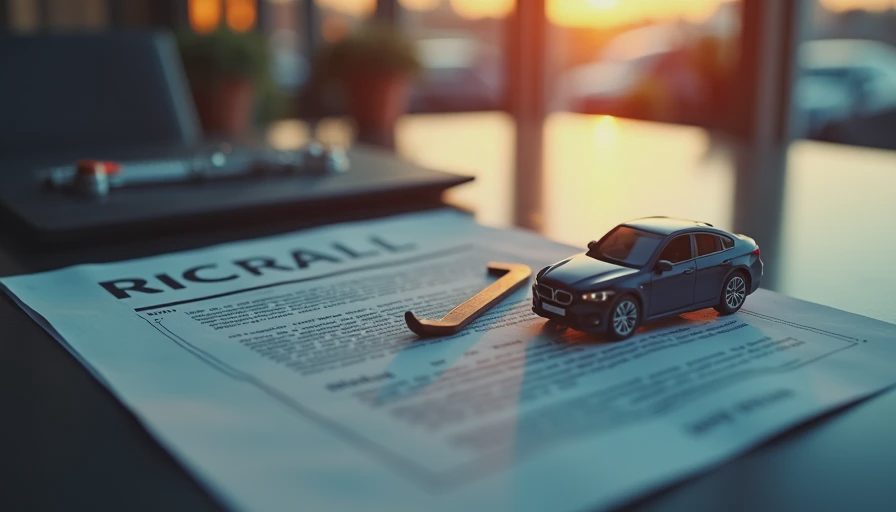
Check the VIN, not just the badge
Find the 17-character vehicle identification number on the driver-side dashboard near the windshield, on the driver-side door-jamb label, or in registration and insurance documents. Enter it in NHTSA’s recall lookup tool, and check Stellantis’ official owner or brand site for campaign information. A search by year, make, and model can show general recall history, but a VIN search is more useful for determining whether a particular vehicle is listed as unrepaired.
If a Stellantis U.S. vehicle recall appears in a search, read the campaign details closely. Note the recall number, affected component, consequence, warning signs, and remedy status. Save or print the result. If no open recall appears, that does not make a used vehicle’s entire service history visible; it means the lookup did not identify an unrepaired safety campaign for that VIN at the time of the search. Recheck if you receive a later notice or hear about a newly announced campaign.
What to ask the dealer before booking
Call an authorized dealer that services your brand and provide the VIN. Ask whether the campaign is open on that vehicle, whether the repair parts and technician guidance are available, how long the appointment is expected to take, and whether the vehicle should be driven before the repair. Get the recall number and appointment details in writing when possible. For a Stellantis U.S. vehicle recall with an interim warning, ask the service department to explain the manufacturer’s instructions plainly rather than relying on a generic appointment reminder.
If the remedy is not ready, ask whether the manufacturer has issued interim guidance and how you will be notified when the repair can be scheduled. Keep records of calls, notices, repair orders, and completed work. If a dealer cannot confirm a campaign, try another authorized location or contact the manufacturer through its official customer-care channel. Recall repairs are generally completed without charge, but unrelated maintenance or damage is not automatically included in that repair.
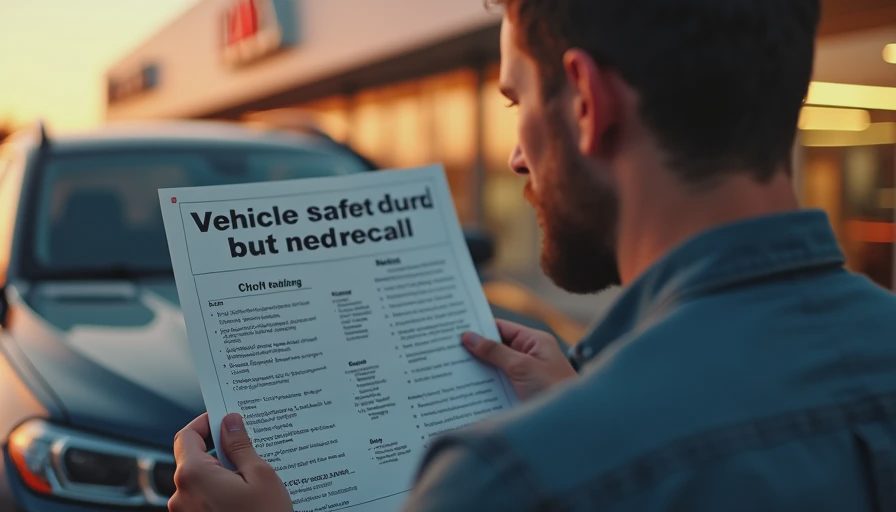
When the problem appears before the repair
A recall notice does not mean every affected vehicle will fail, but symptoms tied to the defect deserve attention. If the notice identifies a fire risk, loss of braking, steering trouble, an airbag concern, or another serious hazard, follow its exact driving instructions. Do not assume a warning light is harmless because the vehicle still runs normally. Ask the dealer whether towing or another safe transport option is appropriate if the notice says not to drive.
For an incident that may relate to a Stellantis U.S. vehicle recall, keep the vehicle’s records and document what happened, including dates, warning messages, and repair attempts. Report safety concerns to NHTSA using its official complaint process. A complaint is not a substitute for a repair appointment, but it can help the agency review reported problems. Avoid diagnosing the cause from a social post alone; a mechanic’s findings and the campaign description are more useful evidence.
Does an auto insurance policy pay for recall repairs?
Usually, a manufacturer’s recall remedy is handled through the manufacturer and dealer, not an auto insurance claim. Collision coverage generally addresses covered damage from a crash, while comprehensive coverage applies to certain non-collision losses such as theft or hail, subject to the policy and deductible. Neither is a routine substitute for a free recall repair. If a defect contributes to a crash or causes other damage, coverage depends on the circumstances, policy terms, and claim investigation.
An open Stellantis U.S. vehicle recall does not automatically cancel a policy, but it is sensible to address a safety notice promptly and follow the stated precautions. If an incident occurs, contact your insurer, preserve records, and explain the known facts without assuming who is responsible. Don’t delay a recall repair while waiting for an insurance decision: the dealer is the right first contact for the campaign remedy, while the insurer handles questions about a covered loss.
A quick owner checklist
Start with the VIN, not an online headline. Check NHTSA and the official Stellantis brand site, record the campaign number, and call an authorized dealer to confirm open status and parts availability. Ask whether the notice limits driving, then follow that guidance. Bring the notice and your VIN to the appointment, and request a repair order showing the work performed. If a used vehicle is involved, run the lookup before purchase and ask the seller for service records; a clean search does not replace an inspection or history review.
The useful takeaway from any Stellantis U.S. vehicle recall is simple: identify the exact vehicle, read the official instructions, and get the remedy documented. Headlines can explain why a campaign matters, but the VIN determines whether the repair applies to your car or truck. Check again when new information arrives, and use a dealer or official manufacturer channel for the next step rather than waiting for a dashboard light to make the decision for you.

Travellers Write
No letters yet — be the first traveller to write.