A subaru recall is not a rumor from a dealership service lane or a screenshot circulating on Reddit. It is a formal safety action tied to specific vehicles, production dates, and a documented defect. The important question is not whether a Subaru model has ever been recalled; nearly every major automaker has issued recalls. The useful question is whether your vehicle identification number is included and what Subaru wants owners to do next.
Here's what we know — and here's what we don't. A recall notice identifies the safety risk and the planned remedy, but the first announcement does not always mean parts are available immediately. Owners should verify the VIN through Subaru, the National Highway Traffic Safety Administration, or an authorized retailer before changing driving plans.
How to check a Subaru recall by VIN
The fastest reliable check starts with the 17-character VIN. You can find it at the lower corner of the windshield, on the driver's door-jamb label, and on registration or insurance paperwork. Enter that number into Subaru's owner recall lookup or NHTSA's recall database. A model-year search is useful for background, but it cannot confirm whether an individual car is affected.
A subaru recall can involve only a narrow production run. Two nearly identical 2021 Outback vehicles built weeks apart can have different status results because a supplier changed a component, a software release was introduced, or a factory inspection separated affected units from unaffected ones. That is why a general web search is a starting point, not a final answer.
Save the campaign number, announcement date, and the result returned for your VIN. If a notice says remedy not yet available, call a Subaru retailer and ask to be placed on its notification list. Keep your mailing address current in the owner account as well. Automakers generally send recall notices by mail, but an outdated address can turn a safety campaign into a surprise at the next oil change.
What a Subaru recall notice actually means
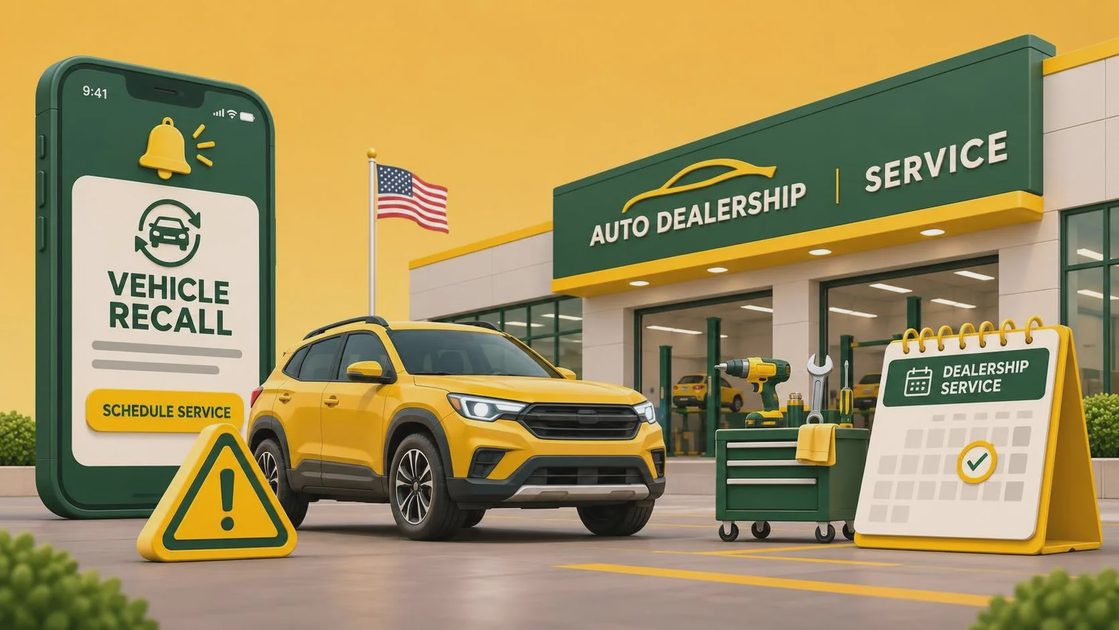
A recall means the manufacturer or federal regulators have determined that a vehicle, equipment item, or component creates an unreasonable safety risk or fails to meet a federal safety standard. The repair is normally performed without charge by an authorized dealer. That can mean replacing a part, reprogramming a control module, inspecting a connection, or applying a revised procedure.
The notice should explain the defect, the potential consequence, warning signs, and the recommended owner response. Some campaigns say to stop driving immediately. Others advise owners to schedule service promptly while limiting certain use. Treat those instructions literally. A recall involving a fuel leak, brake performance, steering control, airbag deployment, or fire risk deserves more urgency than a campaign involving a noncritical display problem.
A technical service bulletin is different. A TSB gives technicians guidance for diagnosing or repairing a known condition, but it is not automatically a free safety repair. Warranty coverage, extended service programs, or goodwill assistance can sometimes apply, but the terms differ. Confusing a bulletin with a subaru recall is a quick way to arrive at the service counter with the wrong expectation.
What happens at the dealership
Call before driving in. Tell the service adviser the recall campaign number, your VIN, and the symptoms, if any. Ask whether the required parts are in stock and how long the repair should take. Straightforward software work might take less than an hour, while a component replacement can require a full day or a return visit.
Dealers should not charge for the remedy required by a recall. They can identify unrelated maintenance needs during the visit, including tires, brake pads, batteries, or fluid services, but those recommendations are separate. Read the repair order before authorizing additional work. A recall visit should not quietly become a $900 maintenance package.
If a repair was completed previously at your expense, retain the invoice. Reimbursement rules are set by the campaign and manufacturer, and eligibility can depend on the repair date, documentation, and whether the work addressed the same defect. Subaru customer support or the dealer can explain the submission process.
Does a Subaru recall affect insurance?
A subaru recall does not automatically cancel an auto insurance policy or raise a premium. Insurers generally rate policies using factors such as driving history, location, vehicle, coverage limits, claims history, and deductible. A recall itself is not the same thing as an insurance claim.
The practical insurance issue is what happens if an owner ignores a serious notice and then has a crash or fire connected to the defect. Liability, collision, or comprehensive coverage decisions depend on the facts, policy language, and applicable law. Do not assume insurance will pay for every loss simply because the vehicle had an open campaign. Photograph damage, preserve the recall notice, and report the incident promptly if a loss occurs.
Comprehensive coverage can apply to certain noncollision losses, while collision coverage addresses damage from a crash, subject to the policy's deductible. Neither coverage replaces the manufacturer's free recall remedy. If a dealer refuses a covered repair or says the VIN is not eligible, ask for the decision in writing and contact Subaru before paying another shop to perform the work.
Reading between the lines of the notice
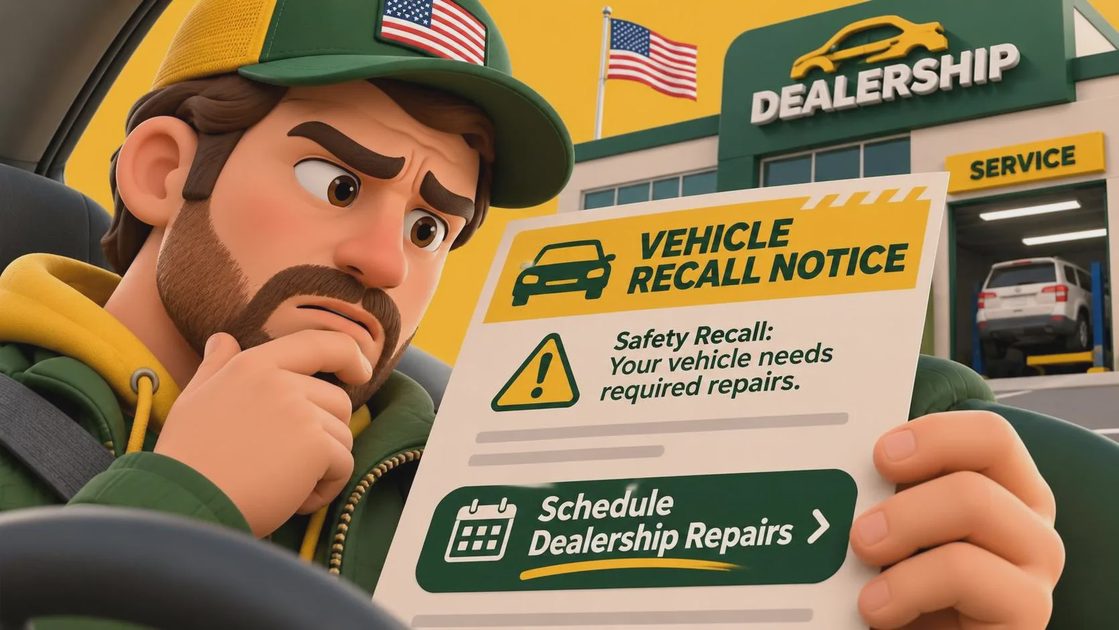
Recall language is deliberately formal, but several details matter. Look for the affected component, the failure mode, the risk description, and the remedy status. A notice that mentions an increased crash risk is more urgent than one describing a compliance issue with no expected change in vehicle operation. The words may sound similar across campaigns; the engineering problem is not.
Pay attention to interim instructions. Some notices tell owners to keep keys away from children, park outdoors, avoid towing, stop charging, or avoid using a particular seat. Those restrictions are not public-relations decoration. They reflect the risk assessment available when the notice was issued. If the remedy is delayed, monitor the official campaign page rather than relying on an old social media post.
A subaru recall can also expand. Investigators sometimes identify additional vehicles after early repairs, field reports, or supplier information. Check again after receiving a service notice, buying a used Subaru, or seeing a new report involving your model. Used-car shoppers should request the VIN before signing and make any open recall part of the purchase discussion.
A five-step owner checklist
First, photograph the VIN and record the current odometer reading. Second, search the VIN through Subaru and NHTSA, not just a model-specific forum. Third, save every notice, appointment confirmation, and repair invoice. Fourth, ask whether parts are available and whether Subaru has issued temporary driving instructions. Fifth, confirm that the dealer closed the campaign in the manufacturer record after the repair.
For a used vehicle, add one more step: request a vehicle history report and compare its service entries with the official VIN result. A completed recall can appear in a history report, but the absence of an entry does not prove that no campaign exists. Service records are helpful evidence, not a substitute for an official lookup.
If you cannot reach a dealer, contact Subaru customer support and keep notes of the date, representative, and advice provided. Escalate a repeated safety concern to NHTSA's vehicle safety complaint system. A complaint is not the same as a recall, but detailed reports can help regulators identify patterns that deserve investigation.
The bottom line for Subaru owners
The sensible response to a subaru recall is quick verification, not panic and not dismissal. Check the VIN, read the interim guidance, schedule the repair, and separate free recall work from optional maintenance recommendations. If your car shows warning lights, unusual smells, smoke, steering changes, braking problems, or other symptoms named in the notice, stop using it when instructed and ask about transportation or towing options.
Subaru has a large owner base and a wide model range, so recall headlines can cover everything from a narrow supplier defect to a campaign affecting hundreds of thousands of vehicles. The VIN is the dividing line between noise and relevance. Check it, document the result, and follow the repair instructions before the next commute becomes a preventable story.
Travellers Write
No letters yet — be the first traveller to write.