A recall VIN check can tell you whether a specific vehicle has an unresolved safety campaign, rather than relying on a seller's memory or a clean-looking dashboard. That distinction matters when you are buying a used Ford F-150, commuting in a recalled Hyundai, or trying to confirm that a dealer completed a repair. The vehicle identification number is the key: a 17-character record tied to that individual car, truck, or SUV.
Why a recall VIN check matters
A safety recall is issued when a manufacturer or the National Highway Traffic Safety Administration determines that a vehicle creates an unreasonable safety risk or fails to meet a federal safety standard. Examples include defective airbags, fuel-system leaks, brake problems, steering failures, and software that can disable a critical safety feature. A technical service bulletin is different. It gives technicians repair guidance for a known issue, but it is not automatically a safety recall and usually is not repaired for free outside warranty coverage.
A recall VIN check narrows the search to the actual vehicle. Searching only by year, make, and model can produce a broad list that includes campaigns affecting some production batches but not others. The VIN lookup can show whether the vehicle falls within the affected population and whether the repair remains incomplete. That is important because two identical-looking 2019 Ram 1500 pickups can have different recall histories based on assembly date, equipment, or prior service records.
The most reliable starting point is NHTSA's official recall lookup at nhtsa.gov/recalls. Enter the VIN exactly as shown on the vehicle. You can also review the manufacturer's owner portal, where some automakers list completed campaigns and dealer service history. A dealer service department can confirm campaign status in its internal system, especially when a recent repair has not yet appeared online.
How to run a recall VIN check correctly
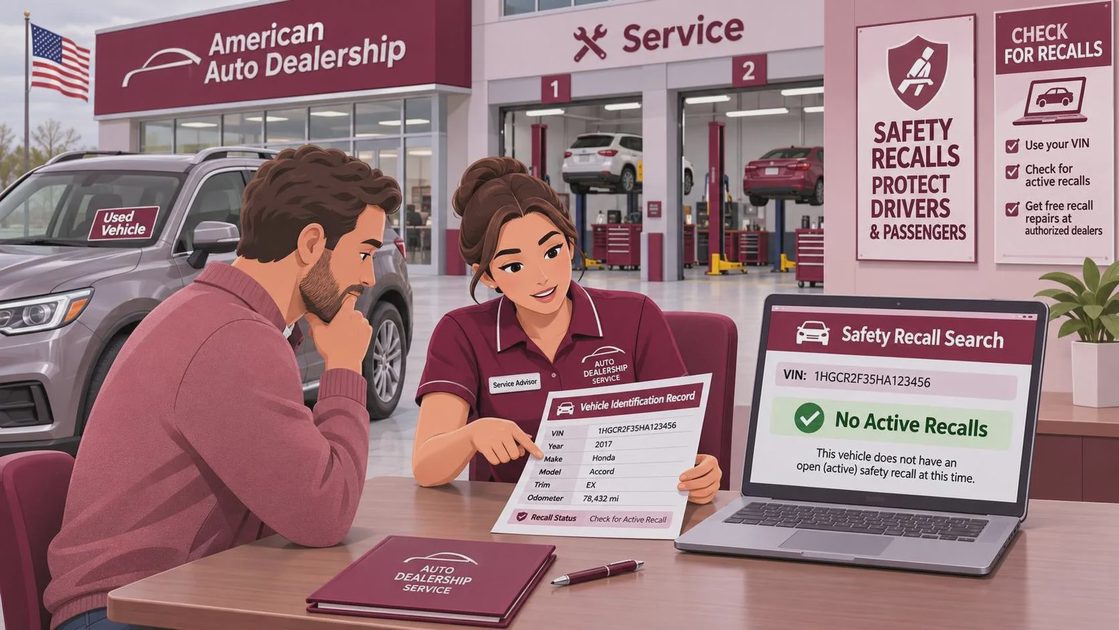
First, locate the VIN. On most modern vehicles it is visible through the lower driver's-side windshield and printed on the driver's door-jamb label. It may also appear on the title, registration, insurance ID card, or finance paperwork. Compare at least two sources. A single mistyped character can return no result or, worse, send you toward the wrong vehicle's record.
Next, enter the VIN into the NHTSA tool and read the campaign details, not just the headline. Look for the recall number, affected component, safety consequence, remedy description, and manufacturer contact information. The result may say that a remedy is not yet available. That does not mean the campaign disappeared; it means the automaker has announced the recall but has not supplied the final repair procedure or parts.
Save a screenshot or print the result with the date. Recall databases change as manufacturers report completed repairs. If you are considering a used vehicle, ask the seller for a repair order showing the recall number and completion date. A verbal assurance that “the dealer handled it” is not service documentation. The VIN, campaign number, mileage, and dealer name should line up.
Reading the result before buying a used vehicle
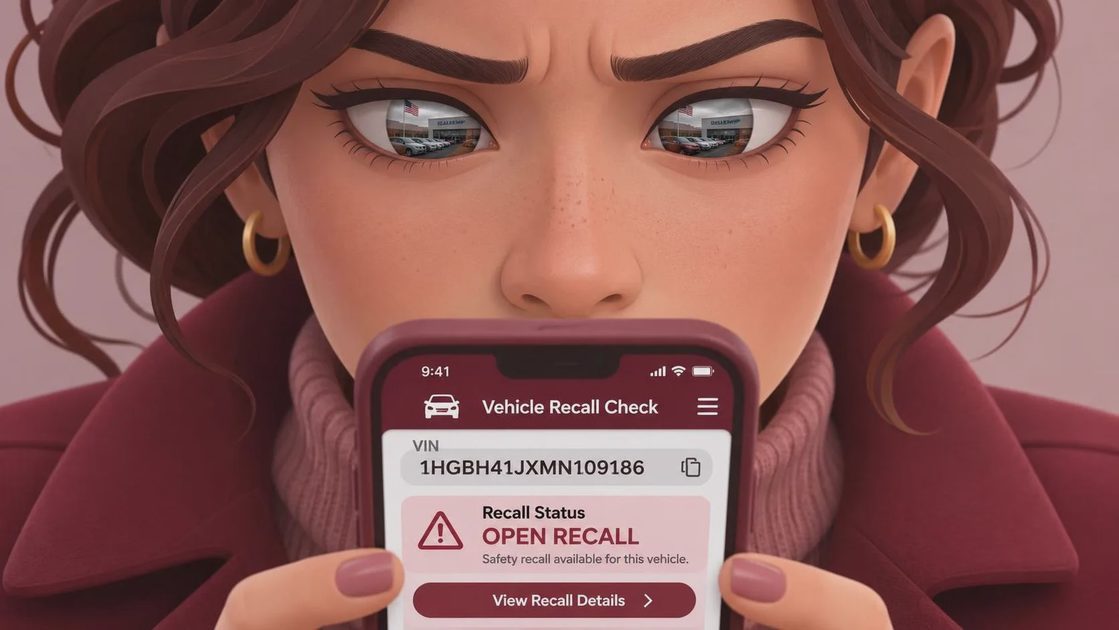
An open recall is not automatically a reason to walk away, but it changes the transaction. Ask the seller to schedule the repair with an authorized dealer before money changes hands. Recall repairs are generally performed at no charge by the manufacturer's authorized dealer, although parts shortages or limited appointments can create delays. Put the agreement in writing if the vehicle is being sold before completion.
A recall VIN check is especially useful during a private-party sale, where there may be no dealer inspection or return policy. It also helps when reviewing auction listings and trade-in vehicles. Dealers are required to address certain open recalls before selling new vehicles, while the rules governing used vehicles can differ by state and dealer circumstances. A buyer should not assume that a used-car lot has resolved every campaign simply because the vehicle has a temporary inspection sticker or a fresh detail.
Check the title and history report as well. A recall result does not reveal every accident, flood event, odometer issue, or aftermarket modification. Services such as Carfax and AutoCheck can add ownership and damage information, but they are not substitutes for the NHTSA database. The strongest review combines the VIN lookup, an independent mechanical inspection, service records, and a road test.
How recalls affect auto insurance
A recall does not normally cancel a driver's auto insurance policy or automatically make a vehicle uninsurable. Insurers price coverage using factors such as driving history, location, vehicle type, claims history, coverage limits, and deductible. Still, an unresolved safety defect can affect a claim if the defect contributed to a crash or if a driver ignored clear manufacturer instructions. The policy terms and claim facts control the outcome.
Collision coverage generally addresses damage to the insured vehicle after a crash, subject to the deductible. Comprehensive coverage typically handles non-collision losses such as theft, hail, falling objects, or animal strikes. Liability coverage pays for injuries or property damage a driver causes to others, up to the selected limits. None of these coverages is a replacement for a free recall repair.
Before adding a used vehicle to a policy, run a recall VIN check and compare quotes from several carriers. Progressive, GEICO, State Farm, Allstate, and regional insurers can weigh the same vehicle differently, particularly when repair costs, theft rates, or claims patterns vary. Ask whether the insurer needs documentation of a completed recall, but do not delay a required safety repair while shopping for a lower premium.
What to do after finding an open recall
Call the manufacturer using the number in the official recall notice or the automaker's verified website. Give the representative the VIN and ask three direct questions: Is the campaign still open? Is the remedy available? Which dealers can perform the repair? Avoid paying an independent shop for work that the recall program should cover unless the manufacturer specifically directs you to do so.
If the vehicle feels unsafe, stop driving it and ask about towing or alternate transportation. Some notices prohibit driving, limit passenger use, or recommend parking the vehicle outdoors because of fire risk. Those instructions are not casual suggestions. Follow the notice and keep copies of repair orders, tow receipts, and communications.
After service, repeat the recall VIN check and confirm that the repair is marked complete. Keep the dealer invoice with the title and maintenance records. When selling the vehicle later, providing that documentation removes an easy objection and gives the next owner a clearer record.
A careful recall VIN check takes only a few minutes, but it can expose a safety problem before it becomes a roadside emergency or a negotiation surprise. Here's what we know — and here's what we don't: databases can lag, records can be mistyped, and a clear result does not replace an inspection. Use the VIN lookup as the first filter, then verify the repair with the automaker or dealer before you buy, insure, or take the vehicle on a long trip.
Travellers Write
No letters yet — be the first traveller to write.