
A Mazda recall is not a rumor from a forum thread or a service adviser trying to fill a slow afternoon. It is a formal safety campaign tied to a specific defect, vehicle population, and remedy. For owners, the practical question is simple: Does the campaign affect my vehicle, and what should I do next?
The fastest answer starts with the vehicle identification number, or VIN. Mazda maintains an online recall lookup, and the National Highway Traffic Safety Administration provides a separate VIN search through its vehicle safety database. Enter the complete 17-character VIN rather than relying on the model year alone. A 2021 Mazda CX-5 built in one month can have a different campaign history from another CX-5 assembled later.
What a Mazda recall actually means
A recall means the manufacturer or federal safety regulators have identified a defect that creates an unreasonable safety risk or fails to meet a federal safety standard. Mazda notifies affected owners and dealers, then provides a remedy at no charge. That remedy could involve replacing a part, updating software, inspecting a component, or changing a procedure in the service department.
The word “safety” matters. A campaign involving a backup camera display, fuel-system leak, airbag, steering component, brake system, or battery control module deserves prompt attention. Not every recall creates the same immediate danger, but ignoring a mailed notice until the next oil change is a poor strategy when the repair is available without a bill for parts or labor.
A recall is different from a technical service bulletin, commonly called a TSB. A TSB gives technicians guidance for diagnosing or repairing a recurring problem; it does not automatically mean the owner receives free work. A warranty repair is also different. Warranty coverage generally addresses a failed part during a defined time or mileage period, while a recall applies to the affected vehicles identified in the campaign.
How to check whether your Mazda is affected
Start by locating the VIN. It is usually visible through the windshield on the driver-side dashboard, printed on the vehicle title, and listed on the registration or insurance documents. Confirm every character before submitting the search. One incorrect digit can produce a clean result for the wrong vehicle.
Run the VIN through Mazda’s official recall page and NHTSA’s lookup tool. The results should show whether the vehicle has an unrepaired campaign. They can also reveal whether a previous recall was completed. A “remedy not available” message means the campaign exists but the required parts or repair instructions are not ready. That status is not the same as a closed case.
If you bought the Mazda used, do not assume the previous owner handled everything. Dealers can often verify open campaigns through their internal system, and a Mazda service department can check the VIN before scheduling the appointment. Keep screenshots, notices, and repair orders in one folder. That paper trail becomes useful if the result changes or a dealer says the campaign is already complete.
What owners should do after a notice arrives
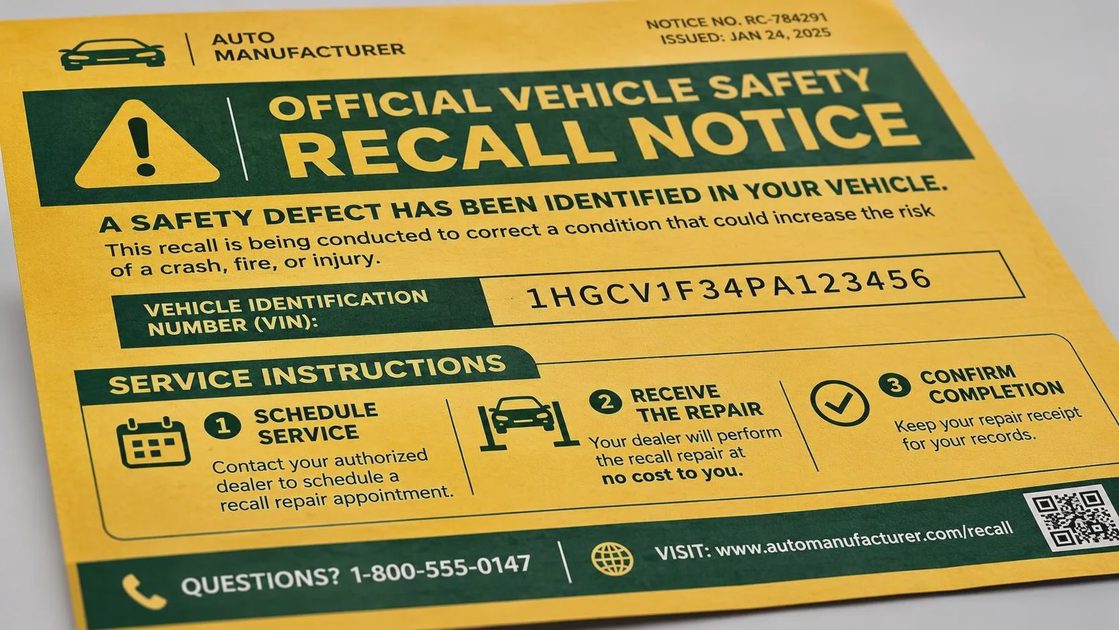
Read the notice for the affected component, risk description, interim instructions, and remedy timing. Some notices tell owners to park outside because of a fire risk. Others recommend limiting use, avoiding certain cargo, or waiting for a replacement part. Follow those instructions literally. The dramatic language is not there for decoration; regulators require manufacturers to explain the hazard and the available response.
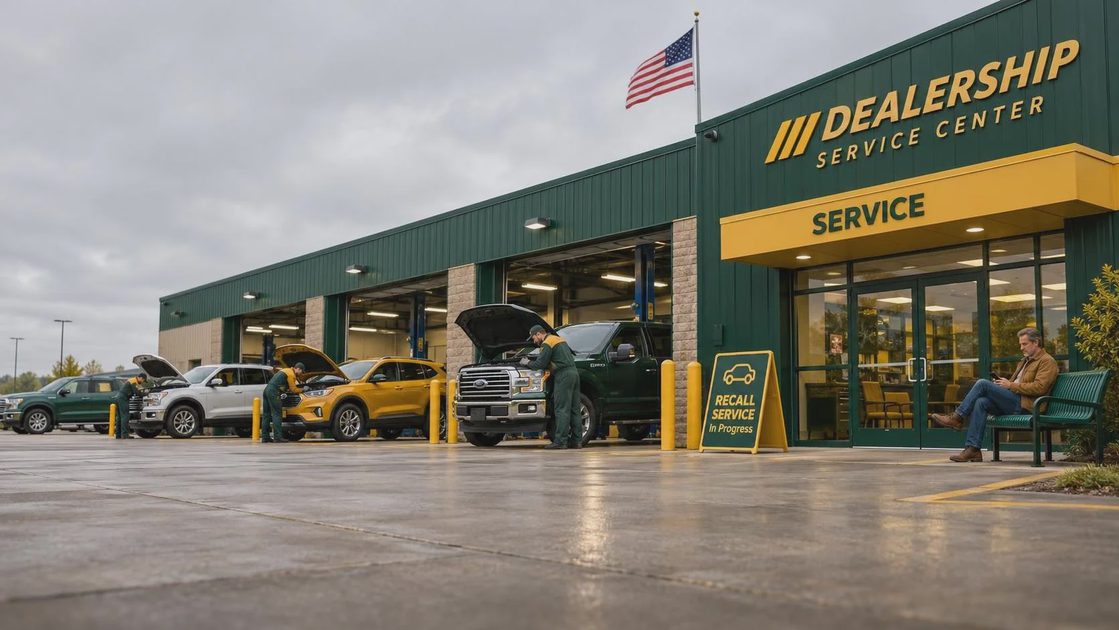
Call an authorized Mazda dealer and provide the VIN, campaign number, mileage, and current symptoms. Ask whether the remedy is in stock and how long the work should take. For a software update, the vehicle might be finished the same day. A parts replacement could require more time if the dealer must order components or coordinate with a regional distribution center.
Do not pay an independent shop for a repair that is clearly covered by a Mazda recall without first confirming the campaign terms. A dealer repair is generally the normal path for a free remedy. If you already paid for a repair that later became the subject of a campaign, save the invoice and contact Mazda customer assistance; reimbursement policies depend on the campaign and documentation.
Why the VIN matters more than the model name
Headlines often describe a campaign as a Mazda3 recall or Mazda CX-30 recall, but the affected population is rarely every vehicle with that badge. Production dates, assembly plants, component suppliers, and software versions can narrow the list considerably. That is why a neighbor with the same model can receive a notice while your vehicle does not.
The VIN also helps distinguish a recall from a broader quality complaint. A rough idle, intermittent warning light, or infotainment failure may be frustrating without being part of a safety campaign. Search the VIN first, then ask the service adviser whether a TSB or warranty program addresses the symptom. Those are different buckets, with different rules for payment and eligibility.
A clean search result is not a lifetime guarantee. Campaigns can be announced after a vehicle is sold, and databases can take time to update. Check official sources periodically if you have received a notice, recently purchased the vehicle, or are preparing for a long trip.
Does a recall affect insurance or resale value?
An open Mazda recall does not automatically cancel an auto insurance policy or change the liability coverage on the vehicle. Insurance companies generally price coverage using factors such as driving history, location, vehicle type, claims history, and selected limits. A recall, by itself, is not a traffic violation.
The safety issue can still affect a claim. If a driver ignores an explicit manufacturer warning and continues using a vehicle in a prohibited condition, the facts could become relevant when an insurer investigates a loss. That is not the same as an automatic denial, but it is another reason to follow the notice and document every dealer visit.
For resale, an unresolved campaign can slow a private sale or complicate a dealer trade-in. Buyers can check the VIN, and many dealers will address the open repair before putting a vehicle on the lot. Completing the campaign creates a cleaner record and removes one negotiating point from the transaction. It does not erase accident history, maintenance gaps, or other mechanical problems, but it closes the safety item.
The practical takeaway for Mazda owners
The useful response to a Mazda recall is not panic and not dismissal. Verify the VIN through Mazda and NHTSA, read the hazard description, follow any parking or driving instructions, and schedule the authorized repair as soon as parts are available. Take the notice and registration to the appointment, ask for a repair order, and confirm that the campaign shows as completed before leaving.
Here’s what we know — and here’s what we don’t: a model name alone cannot tell you whether your vehicle is affected, and an online result cannot replace the manufacturer’s remedy instructions. The VIN is the dividing line between general news and an actionable answer. Check it, keep the documentation, and get the free safety work done.

Travellers Write
No letters yet — be the first traveller to write.