A Ford recall by VIN search is the fastest way to determine whether a specific Mustang, F-150, Explorer, Escape, Bronco, or other Ford vehicle has an open safety recall. Model-year recall lists are useful, but they are broad. Your 17-character vehicle identification number tells you whether the campaign applies to your exact vehicle and whether the repair has already been completed.
That distinction matters. Two nearly identical F-150s built weeks apart can have different equipment, suppliers, or production changes. One might be included in a recall while the other is not. Here's what we know — and here's what we don't: a general internet search can identify a campaign, but only a VIN lookup can connect the campaign to one vehicle's factory record.
Where to run a Ford recall by VIN search
Start with Ford's official recall lookup tool. Enter the complete 17-character VIN, usually found on the driver-side dashboard near the windshield, on the driver-door jamb label, or on registration and insurance documents. Avoid copying the license plate number, partial VIN, or a stock number from a dealer listing. Those details will not produce a reliable result.
You can also use the National Highway Traffic Safety Administration's VIN lookup at NHTSA.gov. The federal database is useful for checking open safety recalls across manufacturers and for reviewing campaign information. Ford's tool can provide a more direct path to brand-specific service information, while NHTSA helps confirm the official recall record and filing details.
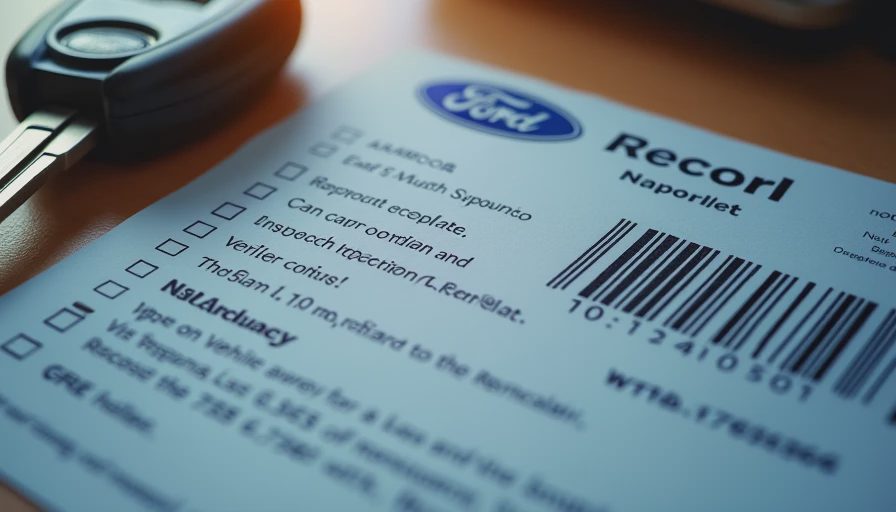
A legitimate Ford recall by VIN result should identify the vehicle, recall campaign, defect or safety risk, and the remedy status. It may say that a recall is incomplete, completed, or not found. “No unrepaired recalls” does not mean the vehicle has never had a problem; it means the database does not show an open safety recall tied to that VIN at the time of the search.
What the result actually means
An open recall means the manufacturer has identified a safety-related defect and has not recorded the required remedy as completed for that vehicle. In the United States, recall repairs are generally performed at no charge by an authorized dealer, regardless of whether the vehicle is still covered by its basic warranty. Parts availability can still affect timing, especially when a campaign involves a new component, software update, wiring harness, airbag, or high-voltage battery system.
A completed recall means Ford's records show that the remedy was performed. That does not necessarily mean the vehicle is free from every related symptom. If the same warning light, stalling condition, brake concern, or charging issue returns, describe the symptom clearly when scheduling service. A recall repair and a separate warranty or customer-pay repair are not automatically the same job.
A Ford recall by VIN search can also return no results because the campaign is too new to appear in every system, the VIN was entered incorrectly, or the vehicle is outside the affected production range. If you have a safety concern despite a blank result, contact a Ford dealer and report the issue. For an immediate hazard, park the vehicle and follow any manufacturer or NHTSA guidance rather than waiting for an online database to update.
How to find your VIN and read it correctly
Most modern Ford VINs have 17 characters. The first character identifies the region of manufacture, while later positions describe the manufacturer, vehicle attributes, and model-year information. The final sequence is the vehicle's unique production identifier. You do not need to decode every character to complete a recall search, but you do need to enter all of them in the correct order.
The most common mistakes are confusing the letter O with the number zero, the letter I with the number one, or the letter Q with another character. VINs generally exclude I, O, and Q to reduce confusion, but a smudged label can still cause trouble. Copy the number from the dashboard or door label and compare it with the registration before submitting it.
For a used vehicle, run the Ford recall by VIN search before signing paperwork, not after driving home. Ask the seller for documentation showing completed campaigns, then verify the VIN independently. A dealer's claim that “all recalls are done” is not a substitute for checking the manufacturer's record.
What to do after finding an open recall
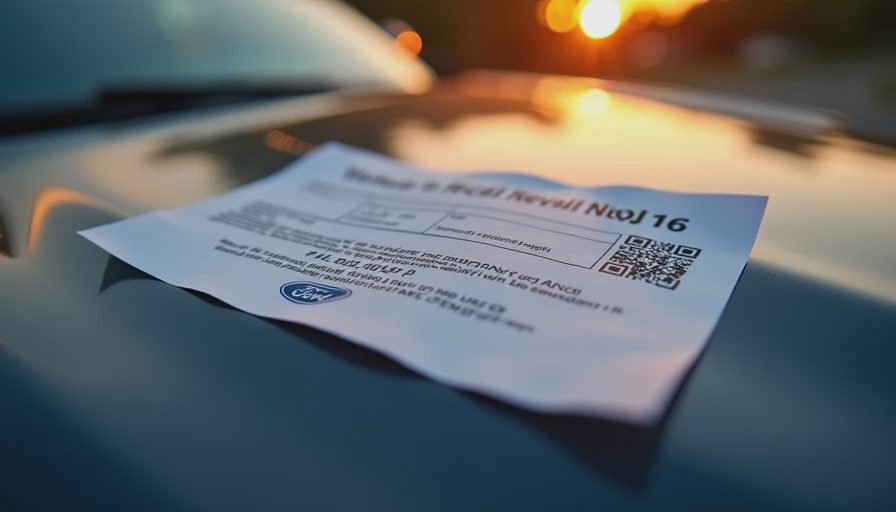
Save or print the result, including the campaign number and the date you checked. Then call an authorized Ford dealer's service department. Give the adviser the VIN, recall number, mileage, and a clear description of any related symptoms. Ask whether parts are in stock, whether the repair requires an appointment, and how long the vehicle is expected to remain at the dealership.
Some remedies are brief software updates or inspections. Others involve replacing airbags, seat-belt components, fuel-system parts, steering hardware, or battery components and can take longer. Do not assume a repair is safe to postpone because the vehicle still starts and drives normally. Recall defects are identified because a failure can create an unreasonable safety risk, sometimes without a warning.
If multiple open campaigns appear, ask the dealer to schedule them together. Keep the repair order and final invoice. Those records help establish what was fixed and when, and they can matter during a private sale or an insurance claim involving the vehicle's condition.
Does a recall affect insurance or resale value?
An open recall does not automatically cancel an auto insurance policy or change the premium by itself. Insurance pricing is driven primarily by factors such as driving history, location, vehicle type, coverage limits, claims history, and deductible. However, ignoring a known safety issue can complicate the facts after a crash, particularly if the defect is connected to the loss.
Recall status can influence a buyer's confidence and a vehicle's transaction process. A dealership may require an open campaign to be repaired before selling a used vehicle, and a private buyer may negotiate for the expected inconvenience. Completing the repair creates a cleaner paper trail and removes one obvious objection. It does not erase ordinary wear, accident history, or unrelated mechanical problems.
If a recall involves a fire risk, brake failure, loss of steering, or a high-voltage battery, follow the instructions in the recall notice. Some campaigns include parking restrictions or charging guidance. The practical cost of a dealer visit is usually small compared with the consequences of ignoring a serious defect.
A simple recall-check routine for Ford owners
Run the Ford recall by VIN search when buying a used vehicle, after receiving a manufacturer notice, and before a long road trip. Recheck after several weeks if a campaign was recently announced and the system initially showed no result. Databases do not always update at exactly the same time, and a new recall can be filed after your first search.
Keep a digital copy of the VIN, recall results, dealer appointment, and completed repair order. If you own more than one Ford, store each VIN under the correct model and license plate description. That five-minute filing habit prevents the classic driveway mistake: checking the Explorer's recall status with the F-150's VIN.
The best approach is straightforward: use the official Ford tool first, confirm unfamiliar results through NHTSA, and schedule an authorized repair for every open safety campaign. A Ford recall by VIN search is not a substitute for maintenance, but it is the quickest way to separate a broad headline from a problem attached to your vehicle.
Travellers Write
No letters yet — be the first traveller to write.