A recall notice is not a suggestion from the service department. It is a documented safety or compliance problem that an automaker must address, usually at no charge. If you want to check recalls by VIN, start with the 17-character vehicle identification number assigned to that specific car, truck, or SUV. The VIN is more useful than a model year search because it can show whether the factory included your vehicle in a particular production batch.
That distinction matters. A manufacturer might recall every vehicle in a model line, but only certain build dates, plants, engines, software versions, or component suppliers are involved. A general internet search can tell you that a recall exists. A VIN lookup tells you whether your vehicle is among the affected units and whether the repair has already been recorded.
Where to check recalls by VIN
The most authoritative starting point for U.S. owners is the National Highway Traffic Safety Administration’s recall lookup. Enter the VIN exactly as it appears on the vehicle or title. NHTSA’s database can identify open safety recalls reported by participating manufacturers, although the newest campaign may take time to appear after an automaker files its notice.
You can also check recalls by VIN through the manufacturer’s owner website. Ford, General Motors, Stellantis, Toyota, Honda, Hyundai, Kia, Subaru, Volkswagen, BMW, Mercedes-Benz, Tesla, and other automakers maintain VIN-specific portals or direct owners to an authorized dealer. The manufacturer record often provides more operational detail, including the repair part, software update, interim instruction, and dealer scheduling guidance.
Find the VIN at the lower corner of the driver-side windshield, on the driver-door jamb, or on registration and insurance documents. Compare every character before submitting it. A mistaken 0 for O or 1 for I can produce an error or, worse, a result for the wrong vehicle. VINs generally exclude those letters to reduce confusion, but careful transcription still matters.
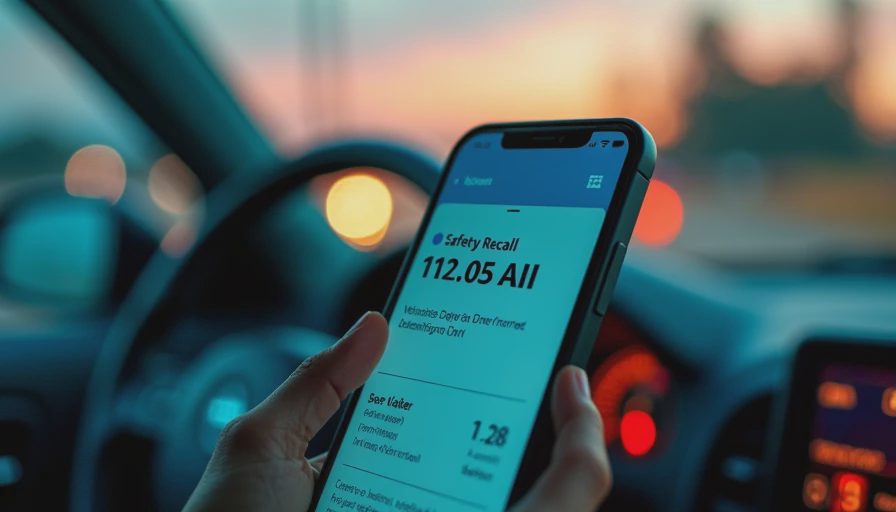
A vehicle history company can add useful information, especially when you are shopping for a used car. However, a paid history report is not a replacement for the official recall tools. It can include accident, title, auction, and maintenance data, while the manufacturer remains the best source for whether a factory campaign is open and how the dealer will complete it.
What an open recall result means
When you check recalls by VIN and see an open recall, read the remedy description before driving normally. The listing should identify the defect, the potential safety consequence, and the proposed fix. Common remedies include replacing an airbag inflator, installing a new seat-belt component, updating vehicle software, repairing a fuel-system part, or inspecting a steering or suspension assembly.
Some notices contain a do-not-drive warning. Those warnings are not marketing language; they usually indicate a heightened risk of fire, loss of control, injury, or another serious outcome. Follow the stated instruction, contact the manufacturer’s roadside assistance line if available, and ask a dealer about transport rather than taking a risky trip. Certain recalls also tell owners not to park inside a garage until a repair is complete.
Federal law generally requires manufacturers to provide recall remedies without charging the owner for parts or labor. The normal route is an authorized dealer, even if the vehicle is out of warranty. A recall repair is different from routine maintenance, an extended warranty, or a technical service bulletin. A bulletin may guide technicians through a recurring issue, but it is not automatically a free safety recall.
Why a clean lookup does not end the investigation
A result showing no unrepaired recalls is good news, but it is not a mechanical inspection. VIN databases do not reveal every worn brake pad, neglected fluid change, collision repair, or problem that has not yet become a recall. They also do not prove that a used vehicle was maintained properly. For a private-party purchase, pay for an independent inspection and request service records before money changes hands.
Timing is another variable. Automakers must submit recall information, dealers need to report completed repairs, and databases need to update. If a recall was repaired yesterday, the online record might still show it as open. Keep the dealer’s repair order, especially when buying or selling the vehicle. If you check recalls by VIN after a recent service and the status looks wrong, call the dealer’s service department with the repair date and campaign number.
Imported vehicles and gray-market products require extra caution. A VIN may not match the coverage systems used by U.S. dealers, and a foreign-market campaign may not have a U.S. remedy. The same issue applies to heavily modified vehicles, salvage-title cars, and vehicles assembled from replacement parts. Ask a dealer or the manufacturer’s customer-care team what support exists before assuming a campaign transfers cleanly.
A practical used-car recall checklist
Before buying, check recalls by VIN at least twice: once before negotiating and again on the day of delivery. Recall status can change during a long sales process. Save a screenshot or print the result, then ask these direct questions:
- Does the VIN have any open safety recalls?
- Is the remedy available now, or is the vehicle waiting for parts?
- Has every completed recall been recorded by the dealer network?
- Are there any do-not-drive or park-outside instructions?
- Will the dealer provide a written repair order after completion?
A dealer may advertise a vehicle as inspected, but that phrase does not answer these questions. If a recall repair is unavailable, the missing part can affect your decision more than a small discount. A $500 price reduction is not much compensation for a vehicle that cannot safely be driven or may sit for weeks awaiting a remedy.
Insurance, resale, and ownership records
An open recall does not automatically cancel auto insurance, and insurers generally do not treat an ordinary recall as proof that a driver caused a loss. Still, ignoring a known safety notice is poor risk management. If a vehicle is damaged in a crash, investigators and insurers will focus on the facts of that event, not simply on whether a recall existed.
Recall records can also affect resale conversations. Buyers will reasonably want to know whether the repair was completed, while dealers may discount a vehicle that has an unresolved campaign. After you check recalls by VIN, file the confirmation with your registration, maintenance invoices, and inspection reports. That small recordkeeping step can prevent a dispute later.
The cleanest process is simple: locate the VIN, use NHTSA and the automaker’s official lookup, read the remedy instructions, schedule an authorized repair, and retain the paperwork. Here's what we know — and here's what we don't: a VIN search can identify a documented campaign, but it cannot replace a real inspection or responsible maintenance. Use the lookup as the first safety check, not the last word on the vehicle.
Travellers Write
No letters yet — be the first traveller to write.