A recall search can tell you whether your car, truck, or SUV has an unresolved safety defect before it turns into a breakdown, fire, crash, or expensive surprise. The most reliable starting point for U.S. drivers is the National Highway Traffic Safety Administration's vehicle identification number lookup, supported by notices from automakers and dealers.
A recall is not a routine maintenance reminder. It means the manufacturer or NHTSA has identified a safety-related defect or a failure to meet a federal safety standard and is directing the automaker to provide a remedy, typically at no charge. Here's what we know — and here's what we don't: a recall notice identifies a risk and a planned fix, but it does not guarantee that every vehicle can be repaired immediately.
Why a recall search matters before your next drive
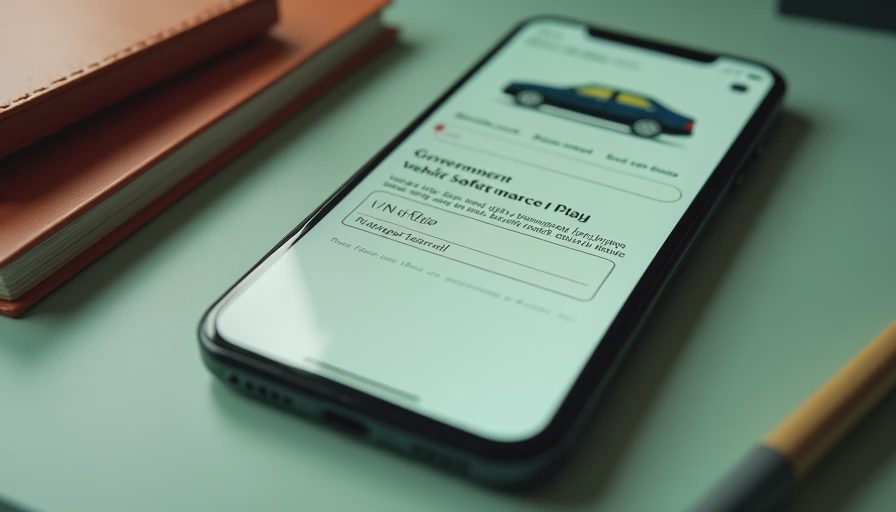
The fastest way to check a specific vehicle is to locate its 17-character VIN and enter it into NHTSA's official recall lookup tool. You can usually find the VIN on the driver's-side dashboard near the windshield, on the driver's doorjamb label, or on the title and registration. Enter the number carefully; one incorrect character can produce an incomplete result.
A useful recall search returns open recalls tied to that vehicle, including the manufacturer, model year, affected component, safety consequence, and remedy status. It can also show a recall campaign number, which helps a service advisor find the correct repair. Results are usually more useful than a broad internet search for a model name because not every vehicle in a model line was built with the same supplier, software version, or production date.
The timing matters. A vehicle with an open airbag, steering, braking, fuel-system, or battery recall deserves a faster call to the dealer than one waiting for a cosmetic trim fix. Some notices advise owners to stop driving or park outside until a repair is available. Those instructions are not public-relations theater; follow them.
What the recall search result actually tells you
An open recall means the required remedy has not been recorded as completed for that VIN. It does not necessarily mean the part will fail today. The notice should explain the defect, the potential hazard, warning signs, and the repair plan. In many cases, the remedy is a replacement part, software update, inspection, wiring adjustment, or a combination of those steps.
The result may also display a completion deadline or tell you that parts are not yet available. That distinction matters. “Recall announced” is not the same as “repair ready.” Automakers sometimes issue staged campaigns while suppliers produce replacement modules, inflators, battery components, or fasteners. Call an authorized dealer with the campaign number and ask whether the remedy is in stock before arranging a visit.
Do not confuse a safety recall with a technical service bulletin, or TSB. A TSB gives technicians a recommended procedure for a known issue, but it is not automatically a free repair. Warranty coverage, vehicle age, mileage, and the dealer's diagnosis determine who pays. A recall search focuses on federally tracked safety campaigns, not every complaint or repair pattern discussed in owner forums.
How to perform a better recall search
Start with the VIN, then check the result against the vehicle in your driveway. If the lookup shows a different body style, engine, or production configuration, recheck the number and confirm the vehicle's identity with the dealer. Used-car shoppers should run the VIN before signing paperwork, not after the temporary tag is already in the window.
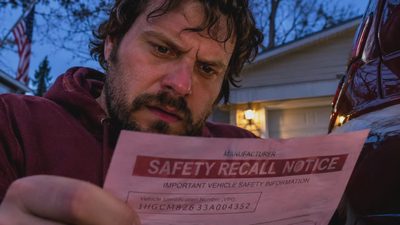
Next, search the automaker's owner portal. Manufacturer systems can provide campaign updates, appointment instructions, and customer-care contacts that are not yet reflected in every public database. A dealer can also confirm whether a repair was completed but never properly reported. Keep the repair order, campaign number, and date in your records, especially if you plan to sell the vehicle.
For a fleet, dealership, or household with several vehicles, repeat the process for every VIN. Model-level headlines are not enough. A 2022 vehicle built in February may have a different component from one assembled in October, even when the badges and trim names match. This is where a disciplined recall search beats scrolling through social media posts.
Recalls, insurance, and the cost of waiting
An open manufacturer recall typically does not automatically raise your auto insurance premium. Insurers generally rate policies using factors such as driving history, location, vehicle type, coverage choices, claims history, and credit-based insurance information where permitted. The recall itself is not normally a surcharge.
That does not make the issue irrelevant to insurance. If a known defect contributes to a crash, comprehensive or collision coverage may address covered damage according to the policy, deductible, and circumstances. Liability coverage can apply when a driver is legally responsible for injuries or property damage. Insurance usually does not replace a defective factory part or pay for ordinary recall work, because the manufacturer is responsible for the remedy.
Waiting can create a more complicated claim. If a warning light, overheating event, smoke, or brake problem appears, document it with photographs and service records. Stop driving when the manufacturer or NHTSA says to do so. A tow to the dealer may be safer and cheaper than turning a repair campaign into a collision claim with a $500 or $1,000 deductible.
What to do after finding an open recall
Call an authorized dealer and provide the VIN and recall campaign number. Ask four direct questions: Is the repair kit available? How long will the appointment take? Should the vehicle be driven there or towed? Will the dealer provide transportation if the repair requires more than a day? Answers can differ by location, especially during a parts shortage or a large campaign affecting thousands of vehicles.
If the dealer refuses a qualifying recall repair, contact the automaker's customer-care department and keep a written record of the conversation. NHTSA also accepts safety complaints, but a complaint is not a substitute for scheduling the remedy. For urgent defects, use the manufacturer's safety instructions rather than relying on an online forum's workaround.
After the work is finished, save the invoice and run the VIN again after the database has had time to update. The repair order should identify the completed campaign. When selling the vehicle, disclose the service history and provide the documentation. Transparency protects the next driver and makes the car easier to evaluate.
The practical bottom line for drivers
A recall search is a five-minute check with real safety value. Run it when buying a used vehicle, before a long road trip, after receiving a manufacturer letter, and whenever a warning appears that matches a public recall notice. Use the VIN rather than a generic model search, distinguish an open recall from a TSB, and confirm parts availability before driving to a dealer.
The broader lesson is familiar to anyone who has covered the auto industry: a press release announces the problem, but the repair order proves it is fixed. Check the official record, act on urgent instructions, and keep your paperwork. That is the low-drama way to turn a recall search into a safer vehicle and a cleaner insurance file.
Travellers Write
No letters yet — be the first traveller to write.