A Ram recall can turn an ordinary commute into a paperwork problem, but the first step is straightforward: identify the campaign tied to your truck's vehicle identification number. Owners of Ram 1500, 2500, 3500, ProMaster, and other Stellantis vehicles should use the official VIN lookup rather than relying on a social media post or a dealer rumor. Here's what we know — and here's what we don't: a recall notice identifies a potential safety defect, but only the VIN search confirms whether a particular vehicle is included.
The practical stakes are higher than an inconvenient service visit. A brake, steering, airbag, fuel-system, electrical, or fire-related defect can affect how and where a vehicle should be driven. If a notice says to park the truck, stop towing, or avoid a feature, take that language literally.
Start with the VIN, not the model name
A model and model year are useful filters, not a final answer. Automakers build vehicles in production runs, and a defect may involve only certain dates, plants, components, or software versions. The 17-character VIN is the definitive starting point for a Ram recall search. It appears at the lower driver-side windshield, on the driver's door-jamb label, and on registration or insurance documents.
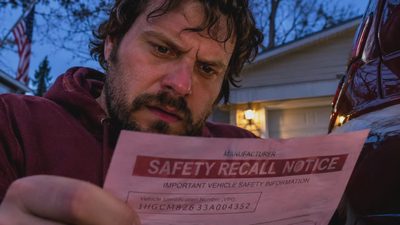
Enter that number on the National Highway Traffic Safety Administration recall lookup or Stellantis' owner site. Compare the campaign number, defect description, risk explanation, and remedy status. A vehicle can have an open recall even if the dashboard shows no warning light. Conversely, a notice found online may already be closed for a specific truck because a dealer completed the repair.
Save a screenshot of the result and write down the campaign number. That small record helps when scheduling service, talking with a second dealer, or documenting a delay in obtaining parts.

What a recall notice actually means
A safety recall means the manufacturer or NHTSA determined that a vehicle or equipment item creates an unreasonable safety risk or fails to meet a federal safety standard. It is not the same as a technical service bulletin. A bulletin gives technicians repair guidance for a recurring issue; it does not necessarily create a free repair program for every affected owner.
For a genuine Ram recall, the manufacturer generally provides the remedy without charging the owner for parts or labor. The fix could involve replacing a component, updating software, inspecting a connection, adding a bracket, or changing an operating procedure. “Remedy not yet available” is frustrating but important. It means the campaign is open while the engineering or parts solution is still being prepared.
Read the risk language carefully. A warning about a possible loss of propulsion is different from instructions to keep an ignition key away from a switch. Neither belongs in the category of minor maintenance, even if the truck still starts and drives normally.
Call the dealer, then ask better questions
Once an open Ram recall appears, call a service department and give the adviser the VIN and campaign number. Ask whether the remedy is physically in stock, how long the repair takes, and whether the truck should be driven to the appointment. A dealer may need to order parts even when the campaign is active, so getting a date is more useful than simply hearing that the recall exists.
Ask whether the repair covers related inspection work and whether the vehicle needs to remain overnight. If the notice limits driving, request towing instructions. Do not assume a dealership will automatically provide a loaner vehicle or reimburse a rental; those arrangements depend on the campaign, dealer policy, and local circumstances.
Keep every work order. It should show the VIN, campaign number, repair performed, date, and mileage. If the dealer cannot complete the fix, ask for a written explanation and contact Stellantis customer assistance through its official owner channels. NHTSA also accepts safety complaints, particularly when a defect appears to create an immediate hazard or the handling of a recall raises concerns.
Recalls, used trucks, and title history
A recall follows the vehicle, not the original owner. Buying a used Ram does not erase an open campaign, and a clean-looking truck can still need a safety repair. Before signing a purchase agreement, run the VIN through NHTSA and the manufacturer's site. Ask the seller for repair invoices rather than accepting “the dealer took care of it” as proof.
A vehicle history report can show an auction, accident, or service event, but it is not a substitute for the official recall database. The report may lag behind a newly announced campaign or omit a repair completed outside a reporting network. Check the VIN again after delivery because recall information can change as new campaigns are issued.
An open recall does not automatically make a truck unsafe to buy. The decision depends on the defect, available remedy, driving needs, and price. A truck affected by an airbag or steering campaign deserves more urgency than one awaiting a software update with no current driving restriction. Either way, put the repair appointment in writing before the deal closes.
What insurance usually covers
A Ram recall itself normally does not create an auto insurance claim. Insurance is designed primarily for sudden covered losses, while a manufacturing defect is a maintenance or warranty matter. If a defective component fails without a crash, your policy generally will not pay to replace that mechanical part. The manufacturer recall remedy is the usual route.
The situation changes if the defect contributes to a covered accident. For example, collision coverage could address damage to your truck after a crash, subject to the policy's deductible, while liability coverage handles damage or injuries you cause to others. Comprehensive coverage generally addresses non-collision losses such as theft, vandalism, hail, or certain falling-object damage; it is not a blanket warranty for recalled parts.
A claim can affect your record depending on the circumstances and insurer rules, so do not report a suspected recall repair as an insurance loss without understanding what happened. Compare quotes from companies such as State Farm, GEICO, Progressive, and local carriers after confirming the truck's trim, use, mileage, and safety equipment. A recall does not automatically raise premiums, but an accident connected to a defect can produce a separate underwriting question.
A simple plan before the next drive
Treat every Ram recall notice as a document to verify, not a headline to dismiss. Locate the VIN, run the official searches, read the driving instructions, and schedule the repair with a dealer that confirms parts availability. If the notice says not to drive, arrange towing rather than gambling on a short trip across town. The cost of a tow is small beside the consequences of a preventable crash.
After the repair, review the invoice and confirm that the campaign is marked completed in the manufacturer's system. Store the paperwork with your registration and insurance records. Then review your policy's liability limits, collision deductible, rental coverage, and roadside assistance. Those details matter during any repair delay, whether the cause is a recall, a crash, or a truck that simply chose the worst possible morning to object.
The useful conclusion is not that every Ram recall signals a failing truck. It is that verified information beats guesswork. Check the VIN, understand the remedy, ask direct dealer questions, and keep insurance in its proper lane. That is how an owner turns a safety notice into a controlled service task.
Travellers Write
No letters yet — be the first traveller to write.