A Volkswagen recall can turn an ordinary commute into an exercise in paperwork, phone calls, and careful reading. The central question is simple: Is your vehicle included, and what should you do next? Recall campaigns can involve anything from a software update to a fuel-system repair or a vehicle that should not be driven until a dealer completes the work. Here's what we know — and here's what we don't.
How to check whether your Volkswagen is affected
Start with the vehicle identification number, or VIN. It is a 17-character code found on the driver-side dashboard near the windshield, on the driver's door-jamb label, and on registration or insurance documents. Enter that number into the National Highway Traffic Safety Administration's recall lookup tool at NHTSA.gov, then compare the result with Volkswagen's owner-facing recall page.
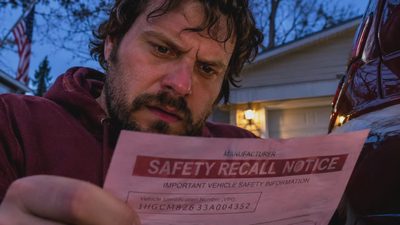
A Volkswagen recall notice identifies the affected population, the defect, the safety risk, and the planned remedy when one is available. Model year alone is not enough. A 2019 Volkswagen Tiguan in one production range can be affected while another Tiguan built the same year is not. Production dates, equipment packages, and VIN sequences matter more than the badge on the liftgate.
The NHTSA database is useful, but it is not a crystal ball. Newly announced campaigns can take time to appear, and completed repairs should eventually show as closed. If the lookup returns an open campaign, call an authorized Volkswagen dealer and provide the VIN. Dealers can often confirm parts availability, appointment timing, and whether the repair is free.
What a Volkswagen recall actually means
A safety recall is not the same thing as a technical service bulletin. A recall addresses a safety-related defect or a failure to comply with a federal safety standard. The manufacturer must notify owners and provide a remedy without charging for the recall repair, even when the vehicle is outside its basic warranty period. A bulletin, by contrast, gives technicians repair guidance for a known issue but does not automatically create a free repair program.
The fix depends on the defect. Volkswagen campaigns have historically included software recalibration, replacement of airbags or seat-belt components, fuel-system work, wiring repairs, and changes to braking or lighting systems. Some remedies are quick, while others require parts that are scarce because of supplier constraints. A notice that says “remedy not yet available” means the campaign is real, but the repair plan is still being developed.
Do not confuse a recall with a routine maintenance warning. An oil-change reminder, check-engine light, or worn brake pad can require prompt attention, but those items are normally the owner's responsibility. A recall repair is tied to a documented campaign and is handled through the manufacturer's dealer network.
What owners should do before the repair
Read the notice for operating instructions. If it warns about fire, loss of propulsion, compromised braking, or another serious hazard, follow the stated precautions instead of treating the letter as a suggestion. Some campaigns advise parking outdoors and away from structures; others restrict towing, charging, or continued driving. The exact instruction controls.
Then document the problem. Photograph warning messages, note when the symptom appeared, and save invoices from previous repairs. If the vehicle has already been fixed by an independent shop, ask whether the work matches the official remedy. A dealer may need records before determining whether reimbursement is possible. Keep the letter, repair order, and VIN in one folder, whether that folder is paper or a phone scan.
A Volkswagen recall does not usually mean the vehicle is permanently unsafe or defective in every operating condition. It means the manufacturer and regulators have identified a defined risk that deserves a formal remedy. That distinction matters when discussing a trade-in, a used-car purchase, or a claim with an insurer.
Call the dealer before arriving. Ask whether the required parts are in stock, how long the work should take, and whether a loaner vehicle is available. A dealer cannot always provide a courtesy car, but asking in advance avoids a wasted trip. If the vehicle is undrivable, roadside assistance or towing may be the safer choice.
How recalls affect insurance and resale value
A recall itself does not automatically cancel an auto insurance policy or change a driver's premium. Insurance pricing is generally based on factors such as driving history, location, vehicle type, coverage selections, claims history, and insurer underwriting rules. Still, the defect can matter if it causes a crash, fire, theft, or mechanical loss. Report an incident promptly and provide the recall information if it is relevant.
Comprehensive coverage can apply to certain non-collision losses, such as fire or theft, while collision coverage generally addresses damage from a crash. Liability coverage pays for damage or injuries a driver causes to others, subject to policy limits. None of those coverages replaces a free manufacturer recall remedy, and a policy deductible can still apply to a covered claim.
For sellers and buyers, an open Volkswagen recall can complicate a transaction. A dealer may discount a vehicle until the campaign is repaired, particularly when the remedy involves a serious safety issue or an unavailable part. A private seller should disclose the open campaign and give the buyer the VIN lookup result. Closing the recall before listing can make the car easier to evaluate and may prevent a negotiation built around uncertainty.
The used Volkswagen question
Before buying a used Jetta, Golf, Atlas, ID.4, Passat, Taos, or Tiguan, run the VIN through NHTSA and Volkswagen. Ask for the vehicle history report, but do not treat it as a substitute for an official recall search. History reports can show accidents and service events while missing a campaign that was announced later or has not been repaired.
A vehicle with an open campaign is not automatically a bad purchase. The practical question is whether the remedy is available and whether the seller will complete it before delivery. If a dealer says the campaign is “just a software update,” ask for that statement in writing and confirm the campaign number. Software work can be minor, but software can also control propulsion, battery management, airbags, or driver-assistance functions. The label alone tells you very little.
For an electric Volkswagen, pay close attention to charging instructions and battery-related notices. Do not improvise a workaround based on a forum post or a social-media comment. The safest source is the recall notice, followed by the dealer's service department and official manufacturer guidance.
How to follow the story without the noise
Recall information changes as regulators review reports, suppliers produce parts, and manufacturers publish remedies. Check the campaign number rather than relying on a headline, especially when several model years appear in one news cycle. A single article can describe a proposed investigation, an official recall, and a repair expansion as if they were the same event. They are not.
A useful record includes the VIN, campaign number, notification date, dealer contact, appointment date, and final repair description. If a dealer says no open campaign exists but NHTSA shows one, ask the service department to recheck the VIN and contact Volkswagen customer support. Keep the repair order after completion; it is useful for future buyers and warranty questions.
The bottom line on any Volkswagen recall is procedural, not dramatic: verify the VIN, read the safety instructions, schedule the remedy, and preserve the paperwork. Do not pay a third party for a repair that the manufacturer is required to provide at no charge. For insurance, maintain the coverage you need for ordinary crash and loss risks, but remember that insurance is not a substitute for completing a recall. That is the part with the most direct effect on safety.

Travellers Write
No letters yet — be the first traveller to write.