
A Toyota recall check is the fastest way to find out whether a vehicle has an unresolved safety defect tied to its vehicle identification number, or VIN. That matters whether you own a Camry, drive a RAV4, shop for a used Tacoma, or are preparing for a long highway trip. Recalls are not routine maintenance, and an open campaign can involve brakes, airbags, steering, fuel systems, software, or a fire risk.
The practical rule is simple: verify the VIN through an official source, read the remedy details, and schedule the repair with an authorized Toyota dealer. Here is what we know — and here is what we do not: a clean search today does not guarantee that no campaign will be announced tomorrow.
How to complete a Toyota recall check
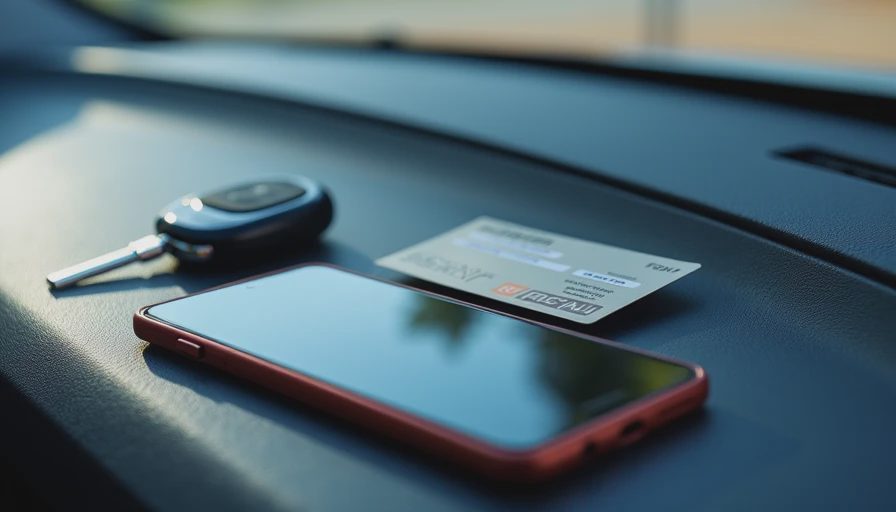
Start with the 17-character VIN. You can usually find it at the lower corner of the windshield on the driver side, on the driver's door-jamb label, on registration paperwork, or on an insurance card. Enter the number carefully; one wrong character can return an incomplete or incorrect result.
Toyota provides a recall and service-campaign lookup on its consumer website. The National Highway Traffic Safety Administration also offers a VIN search through its vehicle safety database at NHTSA.gov. The federal search is useful as a second check, particularly when you are evaluating a private-party vehicle or a car listed far from home.
A proper Toyota recall check should identify whether the VIN is affected, whether the recall remains open, and whether the remedy is available. It should also show a campaign or recall number and a description of the defect. If the repair is listed as incomplete, call a Toyota dealer and provide the VIN before making an appointment. Parts availability can determine whether the work is completed in one visit or requires a return trip.
Do not rely only on a license plate search, a dealer's verbal assurance, or a vehicle-history report. Those tools can be useful, but the VIN is the controlling identifier for a recall lookup. A history report can also lag behind a completed repair, while a dealer's internal system may have more current repair information.
What an open Toyota recall means for the driver
An open recall means the manufacturer has identified a safety-related problem and has not recorded a completed remedy for that specific vehicle. Federal safety recalls are generally repaired without charge at an authorized dealer. The remedy might involve inspecting a component, replacing a part, updating software, or performing a more involved repair.
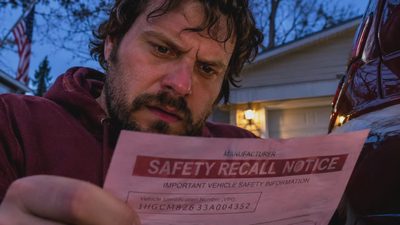
The risk is not identical for every campaign. A backup-camera display issue is different from a brake-line leak or an airbag inflator problem, but each deserves attention. Read the official notice instead of guessing from a headline or a social-media post. The notice should explain the hazard, warning signs, affected production range, and interim instructions.
If a notice says to stop driving, avoid using the vehicle until Toyota provides a safe solution. If it recommends parking outdoors because of a potential fire hazard, follow that instruction. Towing arrangements are worth discussing with the dealer. An insurance policy is not a substitute for a recall remedy, and collision coverage will not prevent a defective component from causing a crash.
A Toyota recall check can also uncover a campaign that affects only certain configurations, production dates, or component suppliers. That is why broad internet lists are poor substitutes for a VIN-specific result. Two otherwise identical-looking 2020 vehicles can have different recall status because they were built at different times or received different parts.
Recall, service campaign, or technical service bulletin?
The vocabulary around defects creates plenty of confusion. A safety recall addresses a defect that creates an unreasonable safety risk or fails to meet a federal safety standard. The manufacturer must notify owners and provide a remedy under the applicable recall process.
A service campaign is often a manufacturer program for a condition that may not meet the formal definition of a safety recall. Toyota can still inspect or repair an affected vehicle under that program, but the terms and eligibility may differ. A technical service bulletin, or TSB, is a repair procedure or diagnostic instruction sent to dealers. It does not automatically mean every owner receives a free repair.
That distinction matters when buying used. A seller may say the car has “no recalls” while overlooking a TSB, a service campaign, or an unresolved repair order. During a Toyota recall check, ask the seller for the VIN and the dealer's service records. Then confirm the result yourself before leaving a deposit.
What to do before buying a used Toyota
Run the VIN before inspecting the car, then run it again at the dealership if the purchase moves forward. Ask the seller whether every recall repair has been completed and request invoices or a vehicle-history report. Do not treat a clean dashboard warning-light check as proof of a clean safety record. Recall defects can exist without triggering a warning lamp.
The dealer can usually confirm whether a campaign was completed and whether another repair is pending. Ask specifically about unrepaired campaigns, replacement-part availability, and any restrictions on driving the vehicle. If a recall is open but the remedy is available, have the seller complete it before closing the deal. If the remedy is not yet available, price and timing should reflect that uncertainty.
A used Toyota with an open recall is not automatically a bad purchase. Some repairs are straightforward and take less than a day. The important point is control: know the defect, understand the remedy, and get the commitment in writing. “The dealer will handle it later” is not a repair record.
How recalls affect insurance and ownership costs
A recall does not automatically cancel an auto insurance policy or make a vehicle uninsurable. Insurers generally rate coverage using factors such as location, driving history, vehicle model, mileage, claims history, and selected limits. However, an unsafe vehicle can create practical problems if a driver ignores a clear stop-driving instruction and then has a crash.
Insurance also does not normally pay for a free recall repair. Manufacturer recalls are handled by the automaker and its dealer network. If a recalled part causes a covered loss, the claims process can become more complicated, especially when maintenance records, warning notices, or manufacturer instructions are involved. Keep recall letters, appointment confirmations, and repair orders with the vehicle file.
After completing a Toyota recall check, review your policy separately. Confirm liability limits, comprehensive and collision deductibles, rental reimbursement, and roadside assistance. A recall repair may solve the defect, but it does not tell you whether your coverage fits a daily commute, a financed vehicle, or a family road trip.
A repeatable Toyota recall check routine
Make the lookup part of normal ownership. Run a Toyota recall check when buying a used vehicle, after receiving a manufacturer letter, before a major trip, and whenever a dashboard warning or unusual symptom appears. Save a screenshot or print the result with the date, VIN, campaign number, and repair status.
If the website reports no open recall but the vehicle has a serious symptom, do not use that result as permission to keep driving. Contact Toyota customer support or a dealer, describe the symptom precisely, and ask whether a service campaign or technical bulletin applies. For an immediate safety concern, park the vehicle and arrange professional help.
The best outcome is uneventful: the VIN is checked, the repair is completed, and the paperwork stays in the glove box. That few-minute Toyota recall check is less dramatic than a roadside failure, which is exactly the point. Verify the vehicle, follow the official remedy, and compare insurance coverage before the next mile.

Travellers Write
No letters yet — be the first traveller to write.