
A vehicle recall means a manufacturer or safety regulator has identified a defect or compliance issue that requires attention; the quickest next step is to check your vehicle identification number, or VIN, for an open repair. In the United States, start with the National Highway Traffic Safety Administration’s VIN lookup at NHTSA.gov/recalls, then contact an authorized dealer. Most safety recall repairs are free, but the urgency and available remedy depend on the specific campaign.
A recall notice does not automatically mean you must park the car. Some defects carry a stop-drive or park-outside warning; others allow normal use until an appointment. Read the instructions for your VIN rather than relying on a headline about a model name.
How to check a vehicle recall by VIN
Find the 17-character VIN on the driver’s side of the dashboard, visible through the windshield, or on the label inside the driver’s door jamb. It is also on many registration and insurance documents. Enter it into NHTSA’s recall lookup, which can show unrepaired safety recalls associated with that vehicle.
The manufacturer’s recall website and an authorized dealer are useful second checks. A new campaign may not immediately appear in every database, and a manufacturer can have information about remedy availability or dealer scheduling that a broad search does not. If you received a notice but the VIN search is blank, call the manufacturer or dealer with the notice in hand.
A clean result is not proof that every component is trouble-free. The lookup is aimed at open safety recalls, not every service bulletin, warranty extension, or past repair. It also has limitations for certain older recalls and some vehicle types. Used-car shoppers should check the VIN before a sale and ask the seller for documentation of any completed work.
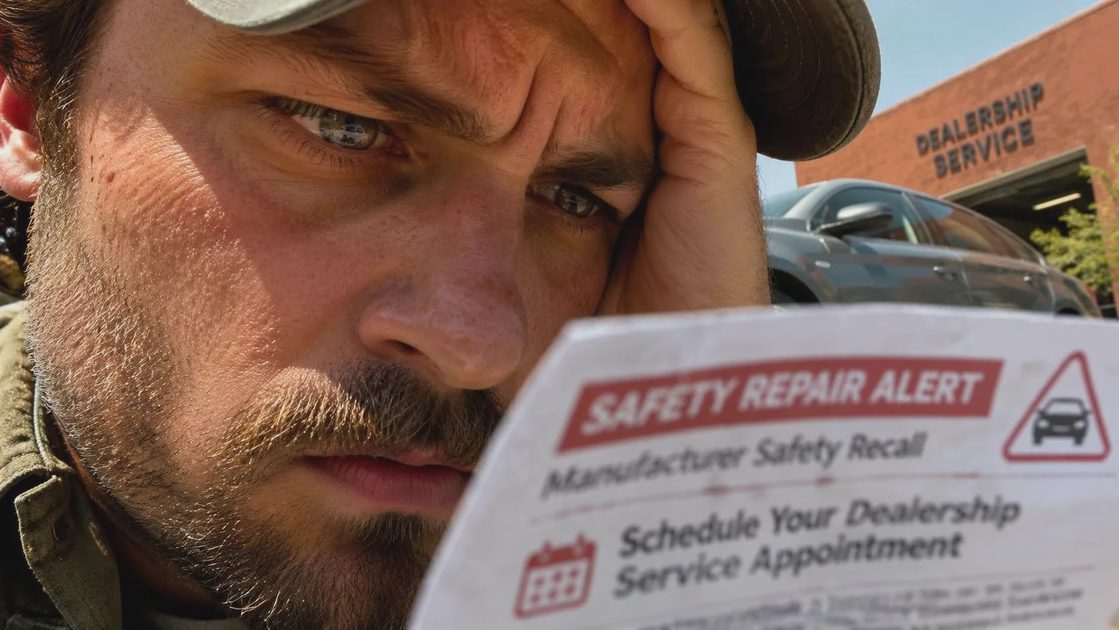
What a vehicle recall notice actually tells you
The first document worth reading is the owner notice, followed by the manufacturer’s recall report on NHTSA’s site. Look for the affected production dates, the defect description, the safety consequence, and the remedy. The recall population may cover thousands of vehicles, but that figure is not a count of failures or injuries.
The manufacturer’s chronology can show when the company received reports, investigated the issue, and decided to recall. That timeline is useful, but an initial filing is not necessarily the final word: manufacturers can amend reports as the population or repair plan changes. Check the document date before treating an older filing as definitive.
A vehicle recall may begin before a permanent fix is ready. The first notice can identify the risk and promise a later update; a subsequent notice may explain when parts or software become available. Keep both. The recall number and your VIN give the dealer a better starting point than a description such as “the battery recall.”
A technical service bulletin is different. A TSB gives technicians diagnostic or repair guidance; it is not itself a safety recall, and it does not automatically make the repair free. A warranty extension or customer satisfaction campaign can also have its own eligibility and cost rules.
Schedule the repair and ask the right questions
Call an authorized dealer for the vehicle’s brand, give the service department your VIN and recall number, and ask whether the remedy is available. Confirm whether the appointment is for an inspection, a parts replacement, a software update, or a combination. An inspection may determine that a vehicle needs additional work; it is not always the entire remedy.
For a safety vehicle recall, the manufacturer generally must provide the remedy without charge, subject to federal eligibility rules and exceptions. Ask the dealer to explain any proposed charge before authorizing work, especially if it concerns an unrelated repair. Routine maintenance and damage unrelated to the recall are not automatically covered.
If parts are backordered, ask the dealer to document your request, provide an estimated timing if one is available, and explain any interim precautions. Contact the manufacturer’s customer service line if the dealer cannot answer. A loaner or transportation assistance may be available in some campaigns, but do not assume it is guaranteed; ask what the manufacturer will provide.
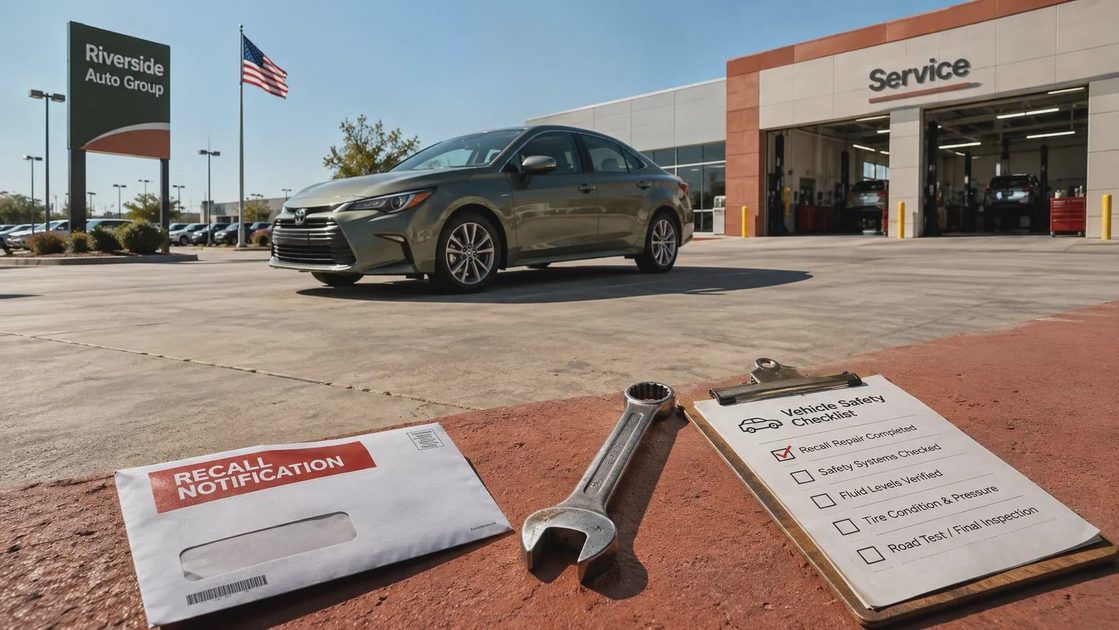
If you previously paid to repair the same defect, ask the manufacturer about reimbursement and retain the invoice, proof of payment, and recall notice. Eligibility and deadlines vary, and the notice may spell out the process. A receipt that identifies the vehicle and the work performed is much more useful than a credit-card statement alone.
When to stop driving and how to escalate
Treat a stop-drive instruction as exactly that. Do not drive the vehicle to the dealership unless the manufacturer specifically directs you to do so; ask it or the dealer how to arrange transport. A park-outside warning also deserves literal treatment: follow the notice’s distance and parking instructions, and avoid enclosed spaces if directed.
Without a specific warning, the seriousness still depends on the defect and symptoms. If the vehicle is behaving unsafely, pull over in a safe location and arrange assistance. A dealer appointment next week is not a substitute for responding to an immediate loss of braking, steering trouble, smoke, or another dangerous condition.
If an authorized dealer refuses a covered vehicle recall repair, cannot perform it within a reasonable time, or the same issue remains after the work, contact the manufacturer first and keep a record of dates, names, and repair orders. You can also report the problem or file a safety complaint with NHTSA through NHTSA.gov or its vehicle safety hotline. A complaint is not the same as opening a recall, but it creates a record for the agency to review.
Finally, update your address with the manufacturer, particularly after buying a used vehicle. Mailed notices depend on ownership information, and the first sign of a problem should not have to be a story in your news feed.
Travellers Write
No letters yet — be the first traveller to write.