A chevy recall is specific to the vehicle, not just the badge: enter your 17-character vehicle identification number, or VIN, into the National Highway Traffic Safety Administration’s recall lookup at NHTSA.gov/recalls or Chevrolet’s recall lookup to see whether your vehicle has an open safety recall. A model name and year can narrow the search, but they cannot establish whether your particular vehicle is affected.
Recall announcements and repair availability change, so check the official lookup for an up-to-date result rather than relying on an undated list. Here’s what we know — and here’s what we don’t: a VIN search can identify open recalls, but the recall notice and your dealer are the places to confirm the remedy, parts status and any instructions for driving in the meantime.
How to check a chevy recall by VIN
Find the VIN at the base of the windshield on the driver’s side, on the driver’s door-jamb label, or on your registration or insurance documents. Enter all 17 characters carefully. If the result shows an open recall, note the recall number and read the description, including the safety risk and the remedy status.
NHTSA’s search is a useful starting point because it identifies unrepaired safety recalls reported for a specific vehicle. Chevrolet’s lookup can provide manufacturer information as well. If the two results appear inconsistent, call a Chevrolet dealer with your VIN and ask the service department to check GM’s records. A recently completed repair may not immediately appear in every system.
A search that finds no open recall is not proof that every component is trouble-free. It means the lookup did not identify an open safety recall for that VIN in the information it searched. A separate service bulletin, warranty extension or customer satisfaction program may address a concern without being a safety recall.
What a recall notice actually tells you
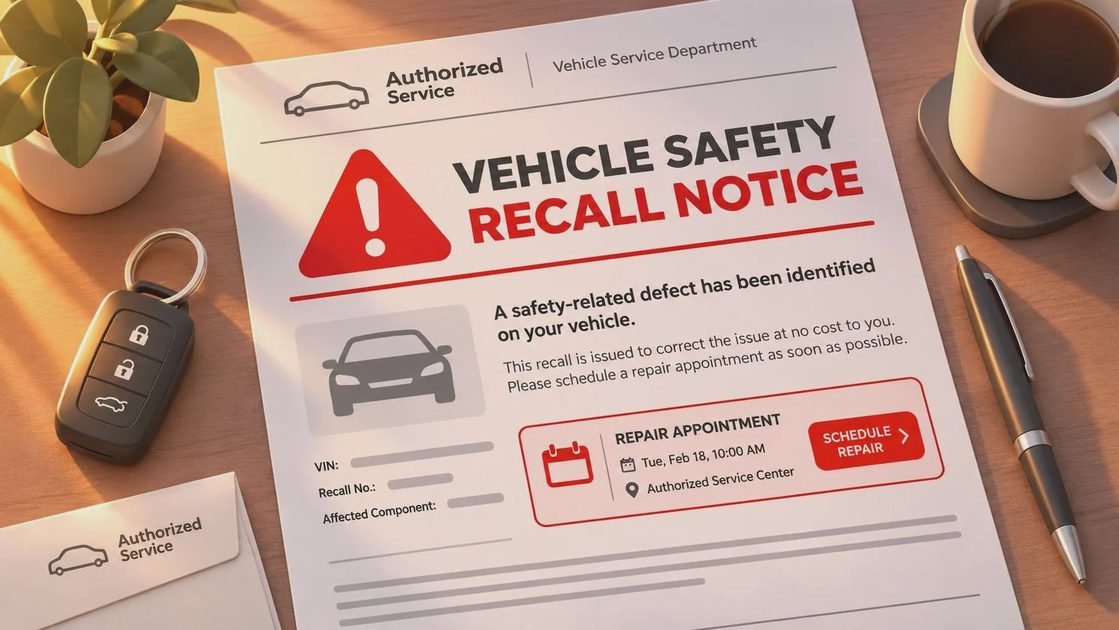
The first distinction is between an announcement and an available fix. A chevy recall can be open while the manufacturer is still developing a remedy or distributing parts. The notice should describe the defect or noncompliance, the potential safety consequences, and what owners should do. Look for an interim precaution if a permanent repair is not ready.
Pay close attention to the risk description. An intermittent warning light, a part that could fail and an instruction to stop driving are not interchangeable. Some notices direct owners to park outside, avoid charging or take another specific step; others do not. Follow the instruction for your VIN and recall, not a precaution copied from a different campaign.
If the notice says not to drive, do not drive to the dealership for convenience. Contact the dealer or Chevrolet to arrange the next step, including transportation or towing if applicable. If the vehicle is unsafe or an emergency is underway, move to a safe location and contact emergency services as appropriate.
The official filing can add useful detail beyond the headline: the population potentially affected, the reported defect, the remedy and the manufacturer’s chronology. Those documents describe a campaign, not necessarily the condition of every vehicle included in it. A large recall population is not the same thing as a count of failed parts or crashes.
Scheduling a chevy recall repair
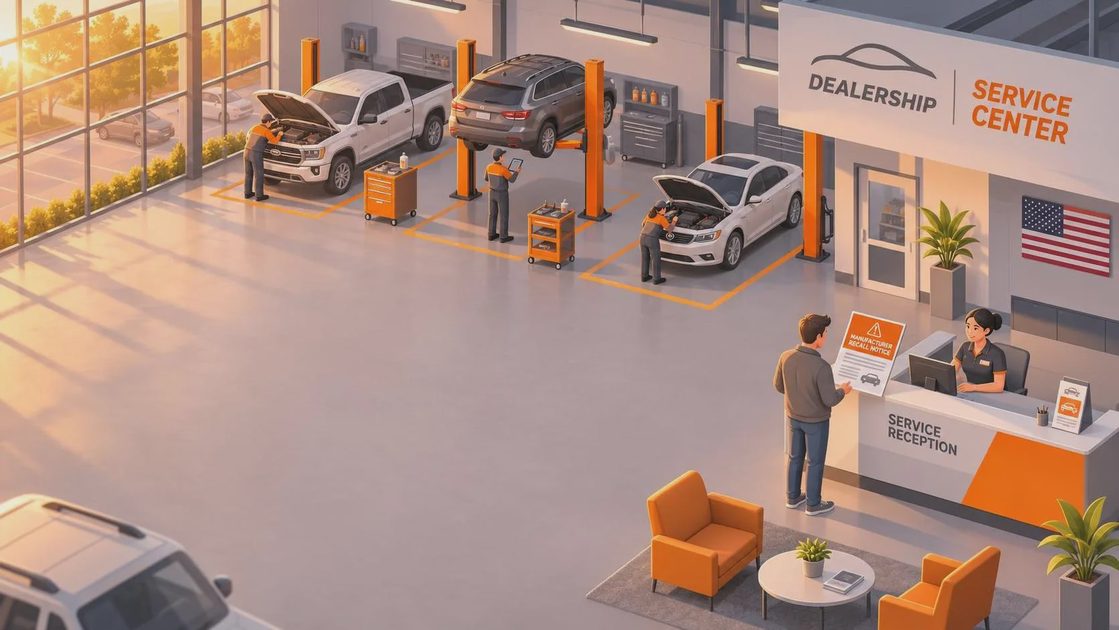
Call an authorized Chevrolet dealer, provide the VIN and recall number, and ask whether the remedy is available for your specific vehicle. Confirm that the required parts are on hand or can be ordered before taking time off work. A dealer may need to inspect the vehicle first, depending on the campaign.
Ask how long the appointment is expected to take, whether the vehicle needs to remain at the shop and whether transportation assistance is available. Loaner cars and towing are not automatic for every campaign, so get the terms from the dealer or Chevrolet rather than assuming they are included.
Safety recall repairs are generally performed free of charge at an authorized dealer, subject to applicable rules and limitations. There are exceptions, including certain age limits under federal law, so ask Chevrolet or NHTSA if a dealer says a repair will cost you money. A dealer may recommend unrelated maintenance during the visit; ask for a separate estimate and distinguish that work from the recall remedy.
When the work is complete, keep the repair order. It should identify the campaign and the work performed. That paperwork is useful if the lookup has not yet updated, if the same issue returns, or if you sell the vehicle. If you paid for a qualifying repair before a recall was announced, review the owner notice for reimbursement instructions and deadlines; eligibility depends on the campaign and circumstances.
Used vehicles, missed notices and unresolved problems
A chevy recall follows the vehicle, not the original owner. If you bought a used Chevrolet, run the VIN even if the seller says all campaigns are complete. You can also contact a dealer or Chevrolet to update owner information so future notices have a better chance of reaching you. Do not wait for a letter if you already know there may be an issue.
For a vehicle you are considering buying, search the VIN before signing and ask the seller for documentation of any completed work. An open recall does not automatically establish that a vehicle is unsafe to move in every circumstance, but it does require attention to the specific warning and remedy. The right question is whether the repair can be completed and whether there are restrictions until it is.
If a dealer cannot complete an available repair, ask for the reason, an expected next step and a record of the conversation. Then contact Chevrolet customer assistance. If the issue remains unresolved, you can contact NHTSA’s Vehicle Safety Hotline or submit a complaint through NHTSA.gov. Include the VIN, recall number, dealer name, dates and a concise account of what happened.
Finally, a symptom deserves attention even when the lookup is clear. Report a suspected safety defect to NHTSA and have the vehicle inspected; a complaint is not a substitute for a diagnosis, and a recall search cannot predict a future failure. Check the VIN periodically, especially before a long trip or a used-car purchase.
Travellers Write
No letters yet — be the first traveller to write.