A Chevrolet recall may affect your vehicle even if it runs normally, and the quickest way to find out is to search its 17-character vehicle identification number, or VIN, on the National Highway Traffic Safety Administration’s recall lookup or Chevrolet’s owner website. An open safety recall is generally repaired at no charge. If the notice says not to drive or park in a particular place, follow that instruction before arranging service.
There is no single recall that applies to every Chevrolet. Campaigns cover specific vehicles, parts, or production periods, and a matching model name alone does not establish whether yours is included. Recall announcements and remedies change; check the VIN for the status of your vehicle rather than relying on a headline.
Where to check a Chevrolet recall
Start at NHTSA.gov and use the VIN lookup under the recalls section. The VIN is usually visible through the windshield at the lower corner of the dashboard on the driver’s side. You can also find it on the driver’s doorjamb label, registration, or insurance documents.
The search should show open safety recalls associated with that VIN. Read each result separately: a vehicle can have more than one campaign, and each may involve a different defect and repair. A search by year, make, and model can help you investigate a campaign, but the VIN lookup is the better starting point for determining whether an individual vehicle has an open recall.
Chevrolet’s owner website and an authorized Chevrolet dealer are additional ways to check. Give the dealer the VIN and ask for the recall campaign number, whether a remedy is available, and whether the vehicle is marked as having an open repair. If an announcement is very recent, allow for records to be updated and check again or contact the dealer or Chevrolet directly.
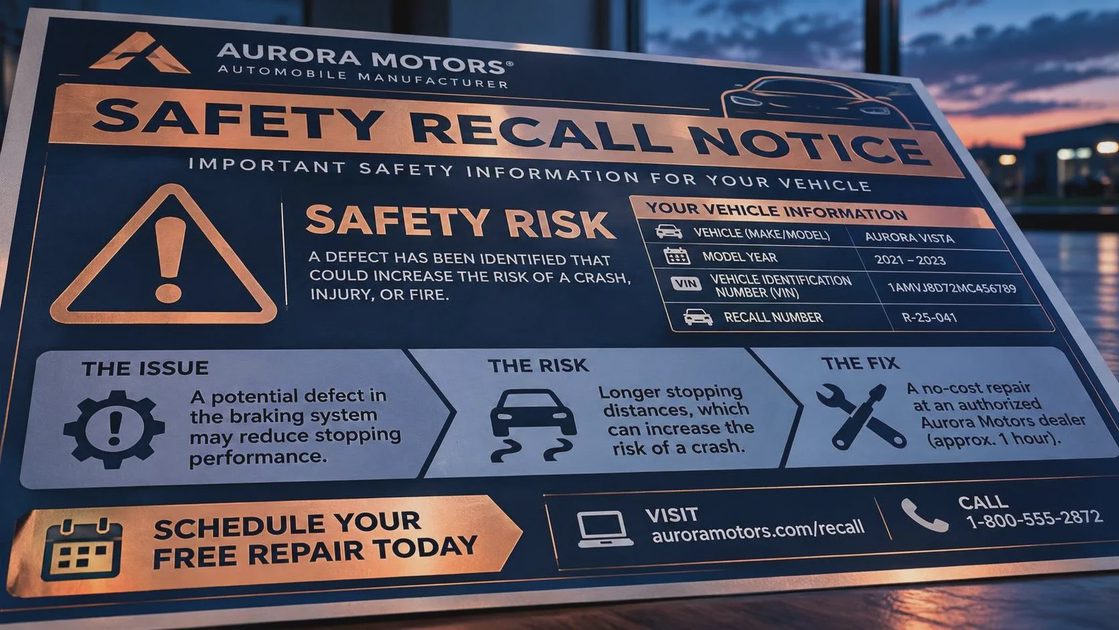
A clear search result is useful, but it is not a guarantee that a vehicle has no safety problem. It means the lookup did not show an open recall for that VIN in the information available through that search. Some recently announced campaigns may not yet be searchable by VIN; completed recalls generally will not appear as open. Safety recalls are also different from service bulletins, customer satisfaction programs, and routine maintenance campaigns.
What to do when a Chevrolet recall appears
Read the description of the risk and the interim instructions first. A recall may involve anything from a warning label to a defect that can cause a crash or fire. The appropriate response depends on the actual campaign, not the word “recall” by itself.
If the notice includes a do-not-drive warning, do not drive the vehicle to the dealership. Contact the dealer or Chevrolet for instructions on arranging transport. If it includes parking or charging restrictions, follow those too. An EV-related notice, for example, may contain instructions specific to that campaign; do not assume restrictions from one battery recall apply to another vehicle.
Next, call an authorized Chevrolet dealer with the VIN and campaign number. Ask whether parts and the repair procedure are available, how long the appointment is expected to take, and whether any transportation or towing assistance applies. Get the answers before making plans around the repair; a recall does not automatically mean a loaner vehicle is available.
When the work is done, keep the repair order. It should identify the vehicle and describe the work performed. Check the recall lookup again after the dealer has had time to submit the completion record. If the campaign still appears open, ask the service department to verify the VIN and repair documentation.
What if the repair is not ready?
A Chevrolet recall can be announced before replacement parts or a final repair procedure are available. That does not make the warning optional. Follow the interim instructions, and ask the dealer how owners will be notified when the remedy is ready. Keep your mailing address up to date with your state motor vehicle agency and with Chevrolet where applicable.
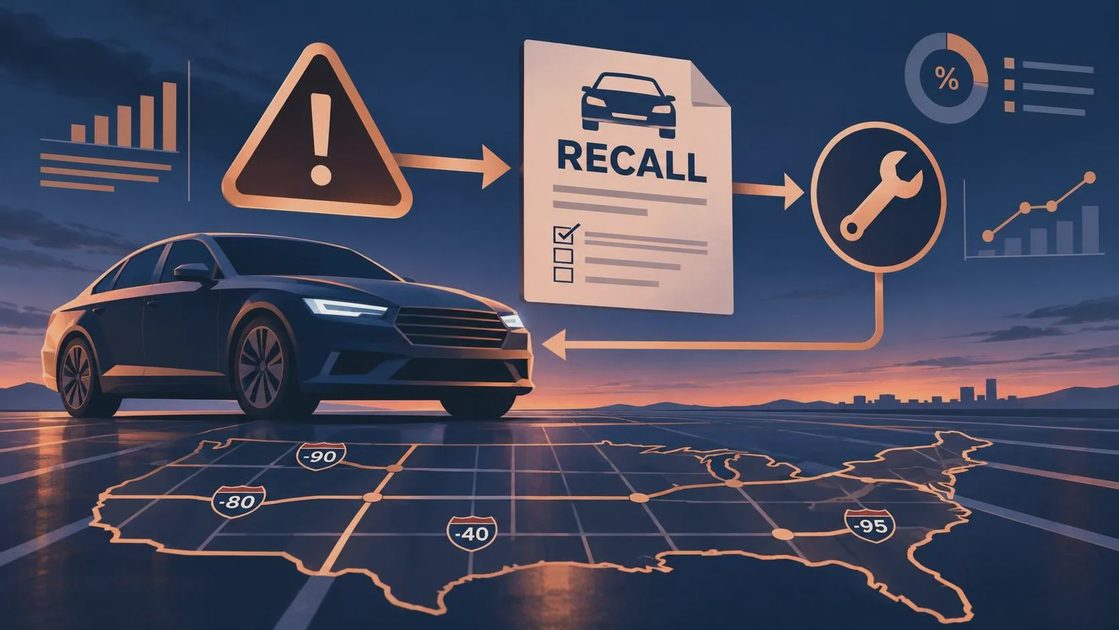
The remedy itself varies. It could be an inspection, a software update, a replacement part, or another action described in the campaign documents. An inspection does not necessarily mean every vehicle will receive a replacement part. Ask the dealer what the procedure requires for your particular vehicle, including what happens if the inspection finds a problem.
Do not pay an independent shop for recall work on the assumption that reimbursement is automatic. Recall repairs are generally performed free by an authorized dealer. If you already paid for a repair related to the defect before the recall, you may be eligible for reimbursement; eligibility depends on the campaign and applicable rules. Keep the invoice and proof of payment, then ask Chevrolet about the claim process and any deadlines.
Buying, selling, or maintaining an affected vehicle
Before buying a used Chevrolet, run its VIN yourself and ask the seller for documentation of any completed recall work. An open campaign is not necessarily a reason to walk away, but it should change the conversation: establish whether the remedy is available and who will arrange the appointment. A clean vehicle-history report is not a substitute for checking the manufacturer or federal recall records.
If you have sold the vehicle but receive a notice, follow the notice’s instructions for reporting the ownership change. If you recently bought it, register your ownership with Chevrolet so future notices have a better chance of reaching you. Mail can lag behind a sale; the VIN check is still worth doing.
Finally, report a suspected safety defect to NHTSA even if no recall appears. Describe the symptoms, when they occurred, and whether a dealer inspected the vehicle. A complaint is not proof of a widespread defect, but it gives regulators information they can evaluate. For an immediate safety concern, stop using the vehicle when appropriate and seek professional help rather than waiting for a recall announcement.
Travellers Write
No letters yet — be the first traveller to write.