
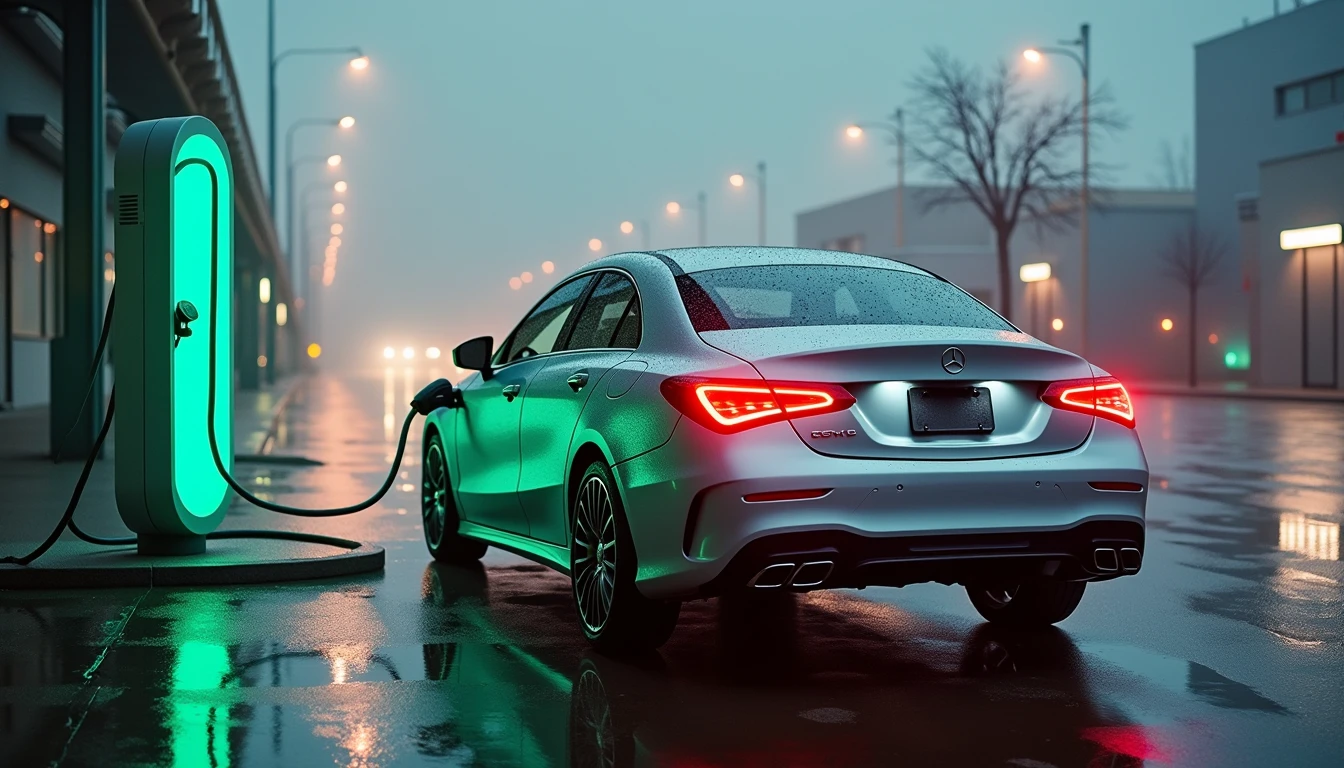
Mercedes confirms a five-model CLA lineup for Australia, with two fully electric versions
Mercedes-Benz is bringing its CLA compact sedan back into the Australian conversation with a broad, five-variant lineup that will include two fully electric models—an unusually direct signal that Stuttgart thinks the small-sedan buyer is ready to cross-shop EVs without leaving the premium badge behind.
That’s the headline: five variants, two of them fully electric, and it’s confirmed for Australia. No vague “considering” language, no limited toe-dip. Mercedes is committing to range depth, which usually means it expects real volume—not just a compliance-style halo car that sells to early adopters and corporate fleets.
What Mercedes hasn’t done yet, at least in this confirmation, is spill the details enthusiasts actually want: pricing, battery sizing, range figures, output, charging performance, and where each trim lands in the pecking order. But the strategic shape is clear. The CLA is being positioned as a multi-powertrain bridge—one nameplate, multiple ways to buy it—right as Australia’s EV market gets crowded with both legacy players and an aggressive wave of Chinese-brand sedans and SUVs.
For Mercedes, the CLA has always been the gateway drug: smaller footprint, more attainable by Mercedes standards, and styled to punch above its weight in showroom appeal. Adding two EV variants to the mix turns that gateway into an on-ramp for buyers who want an electric daily without moving up into larger (and typically pricier) SUVs.
Why a five-variant CLA matters more than it sounds
Five variants in a “compact sedan” line isn’t an accident—it’s a playbook. Automakers don’t multiply trims unless they think they can capture distinct buyer types: price-sensitive luxury intenders, spec-sheet shoppers, and the folks who just want the one that looks best on the driveway.
Dropping two fully electric models into that structure is the bigger tell. Mercedes could’ve offered a single EV flavor and called it a day. Two implies they expect meaningful demand at different price points or performance levels—whether that means different battery capacities, drivetrains, or equipment grades isn’t specified here. But it’s a clear sign the company wants the CLA EV to be a “real” product line, not a one-off.
And timing matters. The compact premium space has been under pressure from two directions: buyers migrating into small SUVs, and EV shoppers demanding competitive range and charging without sacrificing brand cachet. Mercedes is effectively trying to cover both bases with one familiar nameplate: keep the internal-combustion (and/or hybrid) crowd in the fold while giving EV buyers a Mercedes alternative before they wander into a rival showroom.
Australia gets the full menu—ICE and EV side by side
The confirmation is straightforward: Australia will receive a five-variant CLA lineup that includes two fully electric models. That’s the sum of what’s locked in.
Still, even without the spec sheet, the implications are pretty readable. Mercedes is treating Australia as a market worthy of full-range availability rather than a limited selection. That’s notable because smaller sedans can be a tough sell when SUVs dominate the charts, and because EV allocations are often tightly controlled market-to-market.
For shoppers, the benefit is choice within a single shape and size class. You’ll be able to compare variants within the CLA family rather than jumping between unrelated model lines. For Mercedes dealers, it’s also easier to keep a customer in the Mercedes orbit: a buyer who walks in for a compact sedan can be guided toward an EV without being told they need to switch to a different model entirely.
And yes, it’s also a hedge. If EV demand softens or spikes, Mercedes can adjust the mix inside a single nameplate instead of trying to patch the lineup later with stopgap imports.
The bigger picture: compact EV sedans are back on the table
Mercedes’ move lands amid a broader reshuffling of Australia’s EV landscape, where the competition is no longer just “which legacy brand has an EV?” but “which EV is priced, packaged, and supplied well enough to actually show up in driveways?”
A compact sedan with a premium badge still has a lane—especially for buyers who don’t want an SUV silhouette, and for city drivers who value a smaller footprint. If Mercedes can deliver compelling real-world usability in its electric CLA variants—think strong range, repeatable fast-charging performance, and tight efficiency—it could carve out a meaningful niche.
But the ball is in Mercedes’ court on the details. Confirming two EV variants is the opening move. The next question is whether the cars arrive with the kind of pricing and specifications that make sense in a market that’s increasingly allergic to paying extra just for the privilege of a three-pointed star.