
The National Highway Traffic Safety Administration (NHTSA) posts new recall notices almost daily, and car recall news has been especially active this year. From Takata-era airbag issues to modern EV battery defects, staying on top of these announcements can mean the difference between a free repair and a costly—or dangerous—problem. Here’s what we know: we’ve tracked over 800 individual recall campaigns so far in 2025, affecting everything from compact sedans to heavy-duty pickups. And here’s what we don’t: whether automakers are catching issues faster or just finding more of them.

Why Following Car Recall News Matters More Than Ever
The volume of recalls isn't the only variable. The severity of defects has escalated, with more recalls involving potential fire risks or loss of control. For example, in 2024, more than 10 million vehicles were recalled for problems that could cause a crash. Ignoring a recall notice doesn't just risk your safety—it can also affect your car's resale value. Dealers are required to perform recall repairs for free, but only if you bring the vehicle in. With over-the-air updates fixing some software glitches remotely, physical repairs still account for the majority of campaigns. Recall news often distinguishes between OTA-fixable and hardware-required recalls, helping you decide if a dealership visit is necessary.
Car recall news also influences the used car market. If you're shopping for a used vehicle, checking its recall status should be step one. A car with an open, unrepaired recall might be cheaper on the lot, but it's a liability. Many states require dealers to disclose open recalls before sale, but private sellers may not. That's why staying current with recall news is a smart move for buyers and owners alike.
Recent Major Recalls That Made Headlines
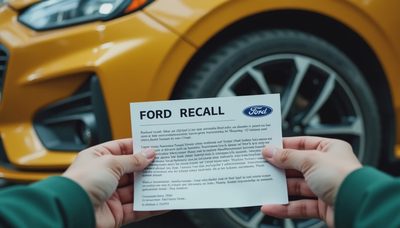
Let's look at a few recent examples that show why car recall news is essential reading. Earlier this year, Ford recalled over 500,000 F-150 trucks for a transmission issue that could cause unintended movement even when parked. The fix required a software update and a physical check of the transmission control module. Tesla also issued a recall for nearly 200,000 Model S and Model 3 vehicles due to a software glitch that disabled the rearview camera display—an essential safety feature. And Honda continued dealing with the lingering Takata airbag crisis, expanding a recall that now covers millions of vehicles across multiple makes.
These aren't obscure models. They're some of the bestselling vehicles in the country. Yet many of these recalls were announced in NHTSA filings that didn't make national headlines. That's why following recall news directly—through a site like AutoDebrief or via NHTSA's feed—is the best way to stay ahead.
How to Stay on Top of Car Recall News
The easiest method: use the NHTSA's free mobile app or their website. Just enter your VIN (Vehicle Identification Number), usually found on your insurance card or driver's side door jamb, and you'll see any open recalls. Many automakers also send mail notifications, but if you've moved or bought a used car, that letter may not reach you. Setting up a Google Alert for recall news plus your vehicle's make and model is a quick way to get notifications.
I also recommend bookmarking a dedicated recall aggregator. At AutoDebrief, we parse NHTSA filings within hours of publication, highlighting only the recalls that affect common vehicles. That saves you from wading through press releases about obscure fleet-only issues.
What to Do When You Get a Recall Notice
When you receive a recall notice—either by mail or from a VIN check—don't ignore it. Read the notice carefully: it will state the safety risk, the remedy, and whether parts are available. If parts are in short supply, you'll be placed on a priority list. Contact your local dealership immediately to schedule the repair. By law, the manufacturer covers the cost, including labor.
If you've already paid to fix the same issue out of pocket before the recall was announced, you may be eligible for reimbursement. Keep all receipts and original invoices. The process varies by manufacturer, but NHTSA's website has a guide for seeking reimbursement.
Frequently Asked Questions About Car Recalls
**Q: How do recalls affect my insurance rates?**
A: Recalls themselves don't directly raise your premiums. However, if you ignore a recall and get into an accident caused by the defect, your insurance company might deny a claim or increase your rate. Staying current with car recall news helps you avoid that risk.
**Q: Can I sell a car with an open recall?**
A: Yes, but many dealers and states require disclosure. Some private buyers may walk away if they see an open recall. A used car with an unrepaired recall typically sells for 10-15% less than a comparable vehicle with no open recalls, according to Carfax data.
**Q: How long does a recall repair take?**
A: Simple software updates can take under an hour. Hardware repairs, like replacing an airbag or a fuel pump, may take a few hours to a full day. If parts are backordered, you might wait weeks. Priority lists help, and some dealers offer loaner vehicles.
**Q: What if my dealership refuses to perform the recall?**
A: That's rare but does happen. Escalate by calling the manufacturer's customer service line. If they still refuse, file a complaint with NHTSA. Federal law requires the repair to be free, and dealerships risk losing their franchise if they regularly deny service.
The Bottom Line on Car Recall News
Staying informed is simple, free, and potentially life-saving. Auto safety improves when drivers are proactive. Whether it's a faulty airbag, a software bug, or a structural defect, car recall news gives you the power to act. Bookmark NHTSA.gov, set your alerts, and check your VIN at least once a year. Here's what we don't know yet: whether the industry's recall rate will slow as manufacturing stabilizes. But for now, vigilance pays.

Travellers Write
No letters yet — be the first traveller to write.