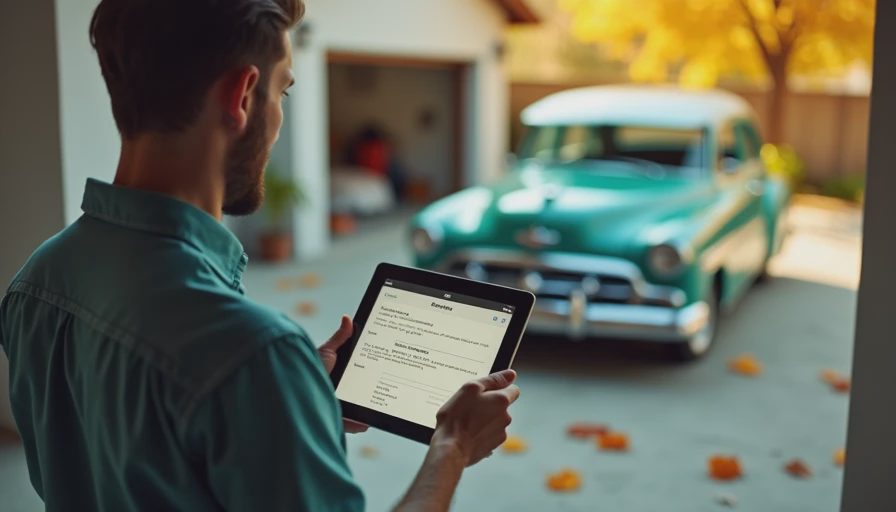
If you own or drive a vehicle in the U.S., knowing how to perform an **NHTSA recall search** isn't just good practice — it's a safety essential. The National Highway Traffic Safety Administration (NHTSA) maintains a free, public database of every safety recall going back decades. Whether you're buying a used car or just want to make sure your current ride isn't hiding a dangerous defect, this tool is your first stop. Here's what we know — and here's what we don't.
Why the NHTSA Recall Search Matters
Recalls are more common than most drivers realize. In 2023 alone, automakers issued over 1,000 recall campaigns affecting millions of vehicles. From Takata airbag inflators to faulty brake systems, the NHTSA recall search puts that information at your fingertips — no dealership visit required. The database is updated in real time as automakers file defect reports with NHTSA, so checking once a month is a quick way to stay ahead of potential problems.
But the real value comes when you're shopping for a used car. Private sellers aren't always forthcoming about open recalls, and a clean Carfax doesn't mean all safety issues have been fixed. Running an NHTSA recall search on a VIN before you hand over cash can save you from buying a car that needs a major repair. Even if the recall fix is free at the dealer, the hassle of scheduling that visit isn't something you want to discover after the sale.
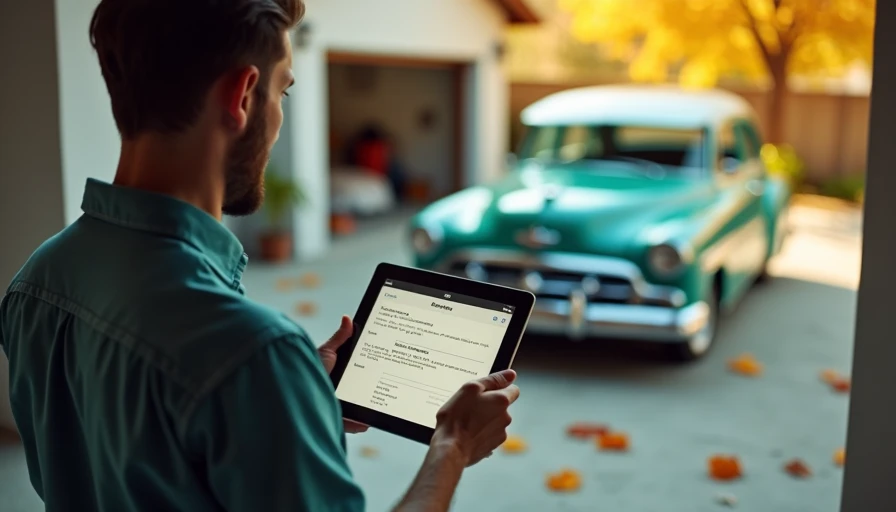
How to Use the NHTSA Recall Search Tool
Performing a recall search takes about 45 seconds. No accounts, no fees, no personal information required. Here's the step-by-step:
- **Go to NHTSA's official website** — Navigate to nhtsa.gov/recalls (or the recalls section directly). The main page will have a search bar labeled "Safety Issues & Recalls."
- **Enter your vehicle's VIN** — The 17-character Vehicle Identification Number is usually found on the driver's side dashboard (visible through the windshield) or inside the driver's door jamb. It's also on your vehicle registration and insurance card. Type it exactly as it appears — no spaces, dashes, or lowercase letters needed.
- **Check the results** — NHTSA will display any unrepaired recalls associated with that VIN. Each entry includes the recall campaign number, a description of the defect, the risk (e.g., "fire hazard"), and instructions for the free dealer repair. If no recalls are found, the page will show "0 unrepaired recalls associated with your VIN."
- **Bookmark for future checks** — New recalls are added all the time. Even if your vehicle is clean today, a manufacturer might announce a recall next month. Set a calendar reminder to run the NHTSA recall search quarterly.
Pro tip: You can also search by vehicle make, model, and year if you don't have the VIN handy. This is useful for researching a specific model before buying, though it won't tell you if that exact car has an unrepaired recall — only a VIN search can do that.
What to Do If Your Vehicle Has an Open Recall
Finding an open recall on your NHTSA recall search doesn't mean panic — it means action. Federal law requires automakers to fix safety defects at no charge to the owner, even if you're not the original purchaser. Here's the playbook:
- **Contact a dealership immediately** — Call the service department of any authorized dealer for your brand. Give them the recall campaign number from the NHTSA listing. They can schedule the repair, which might involve a software update, part replacement, or a complete component swap. Dealers are required to perform the fix, even if you didn't buy the car from them.
- **Ask about loaner vehicles** — If the fix requires leaving the car overnight, the manufacturer may offer a rental or loaner, especially for safety-critical recalls. It's worth asking, but not guaranteed.
- **Don't ignore it** — Unrepaired recalls don't expire. But if you wait too long, you could be driving a vehicle with a known defect that might cause an accident or leave you stranded. In some states, an open recall can also block you from renewing registration or passing a safety inspection.
- **Check for reimbursement** — If you already paid for a repair that was later covered by a recall, you can file a request for reimbursement with the automaker. NHTSA's website has a dedicated form for this, and it's valid for up to 10 years from the repair date.

Common Questions About the NHTSA Recall Search
**Does the NHTSA recall search cover recalls from all manufacturers?**
Yes. NHTSA's database includes all safety recalls conducted in the U.S., regardless of brand — domestic, import, luxury, or commercial. However, it doesn't cover voluntary customer satisfaction programs or service campaigns that aren't safety related. Those are sometimes posted by manufacturers separately, but they won't show up on the official NHTSA search.
**Can I search by something other than VIN?**
You can search by make, model, and year, as well as by tire brand and model number for tire recalls. But for the most accurate results on a specific vehicle, always use the VIN.
**How often should I run a search?**
At least twice a year. New recalls are announced weekly. If you receive a letter in the mail about a recall, it's already in the NHTSA system — you can verify the details there before calling a dealer.
**What if a dealership refuses to fix a recall?**
That's a violation of federal law. Contact NHTSA directly through their vehicle safety hotline (888-327-4236) or file a complaint online. They will follow up with the manufacturer and dealer.
Bottom Line
The NHTSA recall search is the single most reliable way to check for open safety defects on any vehicle. It's free, it's official, and it takes less than a minute. Whether you're buying a used car, maintaining your current one, or just staying informed, make it part of your routine. The tool exists because automakers and regulators know that even the best-engineered vehicles can have flaws — and catching those flaws early is what keeps the roads safe.
For more industry news, recalls, and EV market shifts, follow AutoDebrief. We'll keep you updated on what's signal and what's PR noise.

Travellers Write
No letters yet — be the first traveller to write.