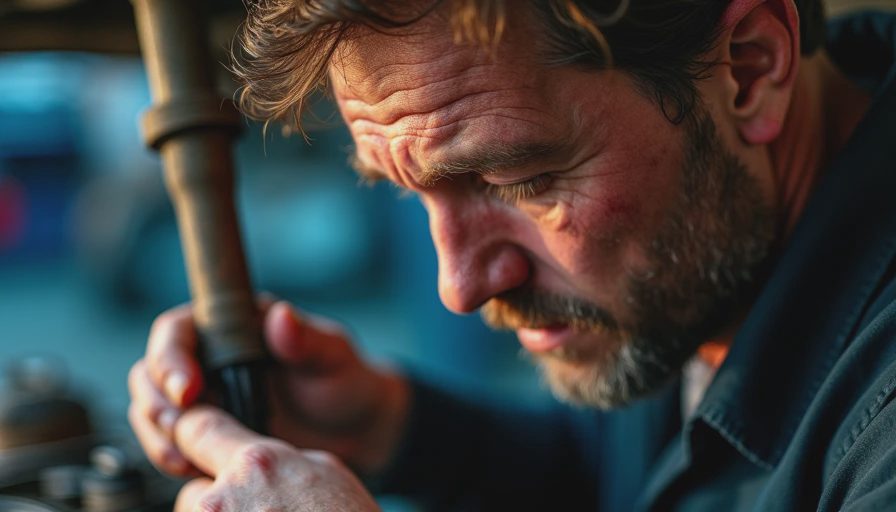
If you own a car in the United States, there's a good chance it's been affected by an NHTSA recall at some point. The National Highway Traffic Safety Administration oversees the recall system that forces automakers to fix dangerous defects free of charge. But the system only works if you actually get the repair done — and too many drivers ignore the notices. Here's what we know about how NHTSA recalls operate in 2025, which brands have been hit hardest, and how to check whether your vehicle has an open recall right now.
What Are NHTSA Recalls? A Quick Primer
A recall happens when a vehicle or equipment poses an unreasonable safety risk. NHTSA monitors complaints, crash data, and manufacturer reports to decide whether a defect warrants a formal recall. Once a recall is opened, the manufacturer must notify owners and provide a free remedy — typically a repair, replacement, or refund. The key player is NHTSA's Office of Defects Investigation, which can order a recall even if the automaker resists. In 2024 alone, NHTSA recalls affected over 30 million vehicles in the U.S., according to agency filings. That number includes everything from faulty airbags to software glitches that could cause unintended acceleration.
The Biggest Recalls of 2024–2025 (So Far)
A few NHTSA recalls have dominated headlines recently. Ford Motor Company recalled roughly 1.9 million Explorer SUVs in early 2024 over a trim-piece issue that could cause the windshield to detach. Tesla, never far from NHTSA's radar, issued a software recall for nearly all Cybertruck units built through late 2024 — a fix delivered over the air, but still counted as a safety recall. Takata's legacy continues: the grand total of recalled Takata airbag inflators passed 100 million globally, with millions still unrepaired in older Honda, Toyota, and BMW models. And a quieter but widespread recall involved certain Hyundai and Kia vehicles with anti-lock brake modules that could catch fire. Each of these NHTSA recalls required automakers to notify owners and offer free fixes, but compliance rates vary wildly — some recalls see only 60% of vehicles actually repaired.
How to Check Your VIN for Open Recalls
Checking for open NHTSA recalls on your vehicle is simple and free. Go to NHTSA's official website — nhtsa.gov/recalls — and enter your 17-character Vehicle Identification Number (VIN). The system will show any unrepaired safety recalls from the past 15 years for that specific vehicle. You can also use the NHTSA mobile app or check directly with automaker dealer networks. For fleet vehicles or used cars purchased privately, the VIN check is especially critical because recall notices often go to the original owner. If you're shopping for a used car, running the VIN is a non-negotiable step before handing over cash. Several online services bundle this check into their vehicle history reports, but the NHTSA tool is the official source and costs nothing.
What to Do If Your Car Is Recalled
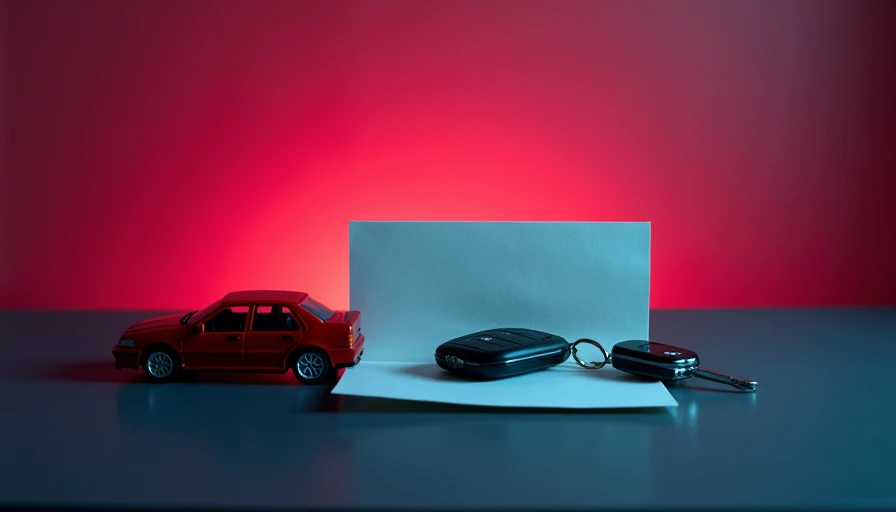
If your VIN search returns an open NHTSA recall, don't panic — but don't wait. Contact a local dealership of your vehicle's brand and schedule an appointment. The repair is free by law, including parts and labor. In some cases, the manufacturer will even reimburse you if you already paid for a fix that later became covered by a recall. For recalls that are still in the parts-availability phase, ask the dealer to put you on a notification list. Meanwhile, NHTSA recommends checking your vehicle's safety status periodically — at least twice a year — because new NHTSA recalls are announced weekly. If you've moved and didn't receive a mailed notice, the VIN check will still catch it. One tip: many automakers now allow you to complete some recall software fixes over the air, so keep your car's connectivity settings active.
Why NHTSA Recalls Matter Even for Older Vehicles
Old cars don't escape recall work. NHTSA requires manufacturers to repair safety defects for up to 15 years from the sale date, and in some cases — like Takata airbags — the obligation extends longer. That means a 2008 Honda Civic may still have an open recall for a driver-side airbag inflator. The catch: older vehicles often change hands multiple times, and the original owner may have ignored the notice. A VIN check is the only way to know for sure. Ignoring an open NHTSA recall can have serious consequences — not just for safety, but also for resale value and insurance. Some insurers adjust premiums or decline coverage based on open recalls, especially for fire-related defects. And if you're involved in an accident and a known, unrepaired safety defect contributed to injury, liability questions get complicated. The system works when you participate.
How to Stay Ahead of New NHTSA Recalls
You don't have to wait for a letter. Sign up for NHTSA's email alerts at nhtsa.gov/recalls/subscribe — you can choose to get notified for specific vehicle models, equipment types, or even specific manufacturers. For industry followers, NHTSA publishes a daily list of recall filings; many automotive news sites, including this one, summarize the notable ones weekly. Social media accounts operated by NHTSA also post recall announcements. If you're a fleet manager or own multiple vehicles, consider using a third-party recall management service that monitors all your VINs. The bottom line: NHTSA recalls are one of the most effective consumer safety tools ever created, but they only help if you know about them and act. Check your VIN today. It takes two minutes and could save more than money.
*Three numbers that explain what's happening: 30 million vehicles recalled in 2024; 1.9 million Ford Explorers in a single action; over 100 million Takata inflators globally. Here's what we know — and here's what we don't: whether the next big recall will come from a legacy automaker or a software-defined start-up. Either way, NHTSA will be watching.*
Travellers Write
No letters yet — be the first traveller to write.