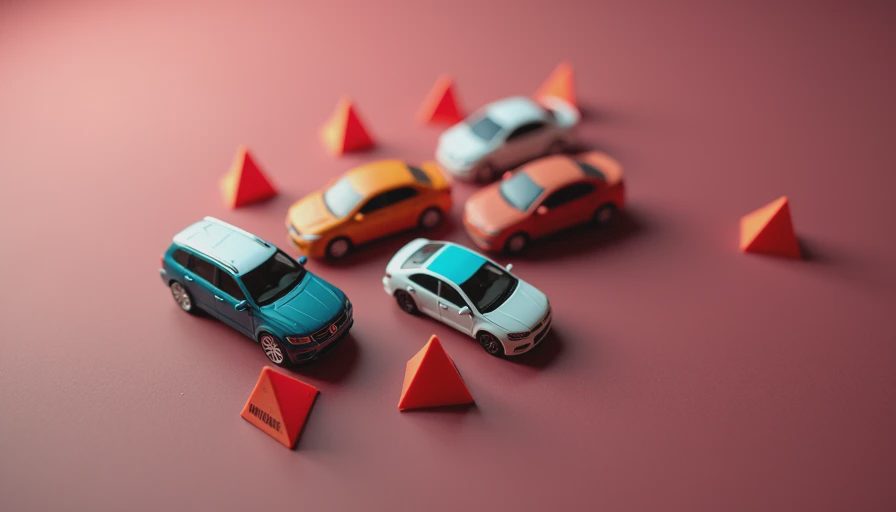
When you're shopping for a new ride, the last thing you want is constant trips to the dealer for safety fixes. Yet every year, NHTSA publishes recall data that names the vehicles with most recalls—and the list rarely changes much. From persistent powertrain issues to high-tech software glitches, some models accumulate more stop-sale notices than others. Here's what we know—and what you need to watch for.
The Usual Suspects: Ford and F-150
Ford has dominated recall charts for years, and the F-150 is a perennial contender for vehicles with most recalls. The full-size pickup has been hit by multiple campaigns for door latch failures, transmission problems, and even a fire risk linked to the engine block heater. Between 2018 and 2023, the F-150 tallied over a dozen separate recall campaigns affecting millions of trucks. That doesn't include the number of field service actions or customer satisfaction programs—but for our purposes, the recall count alone puts it near the top. Ford's overall volume is a factor, but design complexity and supply chain variations also play a role.
Tesla's Growing Recall Count
Tesla may be a tech darling, but its models have accumulated a surprising number of recalls—many of them fixed via over-the-air updates. The Model 3 and Model Y have been among the vehicles with most recalls in recent years, often for software-related issues like touchscreen failures, seat belt alerts, and even phantom braking. While OTA updates make many fixes invisible, NHTSA still counts them as recalls. In 2023 alone, Tesla recalled over 3 million vehicles across multiple campaigns. That's a far cry from the legacy automakers' defect rates, but the sheer volume puts Tesla on this list.
Hyundai and Kia Engine Fire Recalls
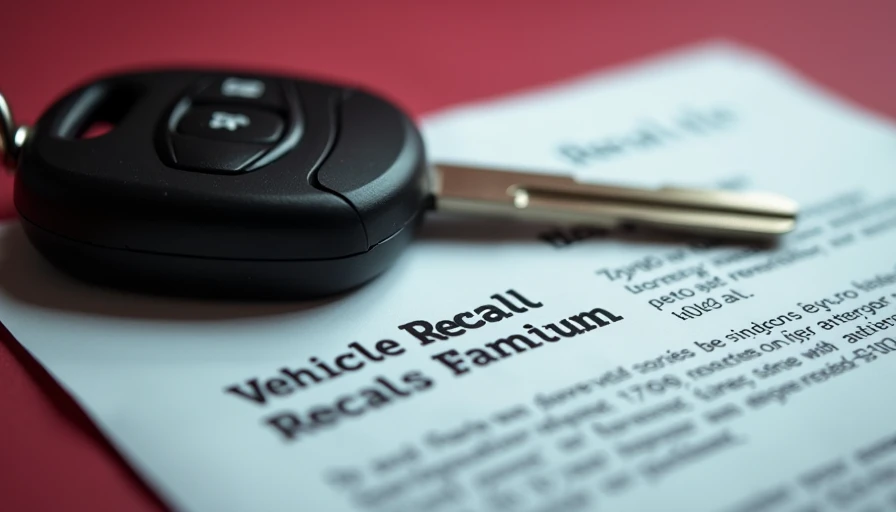
Korean automakers have wrestled with engine fire risks for over a decade. The Hyundai Santa Fe and Kia Sorento are among the vehicles with most recalls due to manufacturing debris that can block oil flow and cause engine stalls or fires. These recalls have been large—sometimes covering hundreds of thousands of units—and have led to class-action lawsuits and accelerated engine replacement programs. While newer models have improved, the older 2011–2019 lineup still drives up the recall total. For used-car shoppers, these are critical models to check before buying.
What These Recalls Mean for Owners
If you own one of the vehicles with most recalls, it's not necessarily a dealbreaker—but it means staying vigilant. Check NHTSA's website with your VIN regularly. Dealers are required to perform recall repairs for free, and the fix is usually quick. However, resale value can take a hit if the model has a long list of open recalls. When buying used, always pull a vehicle's recall history. A model with a high recall count isn't automatically dangerous—but it does signal that the manufacturer or design has consistent issues.
How to Check if Your Vehicle Has Open Recalls
Staying on top of recalls is essential, especially if you own one of the models discussed. Follow these steps to see if your car has any outstanding safety campaigns:
- **Locate your VIN.** Your 17-character Vehicle Identification Number is on your registration, insurance card, or the driver's side dashboard near the windshield.
- **Visit the NHTSA recall portal.** Go to nhtsa.gov/recalls and enter your VIN. The site will show any open recalls for your specific car.
- **Check for recalls on your automaker's website.** Many manufacturers, including Ford, Tesla, Hyundai, and Kia, have their own search tools. Sometimes they list additional service campaigns not yet reported to NHTSA.
- **Sign up for recall alerts.** NHTSA and most automakers offer email notifications for future recalls related to your VIN. This way you'll know immediately when a new campaign is launched.
- **Act promptly.** If a recall is open, schedule a free repair at a dealership as soon as possible. Even if the issue seems minor, it could affect safety or resale value.
By performing this quick check, you can avoid driving a vehicle with unresolved defects. For used-car buyers, running a VIN check before purchase is a smart way to avoid buying a model that's been flagged for multiple safety campaigns—especially if it's among the vehicles with most recalls on the road today.
Conclusion
The vehicles with most recalls tend to come from high-volume automakers and models with complex systems. Ford's F-150, Tesla's Model 3 and Y, and Hyundai/Kia's midsize SUVs all lead the pack. For the industry, these numbers are a reminder that manufacturing quality still lags in some areas. For you, the buyer, they're a data point to weigh alongside safety ratings and reliability surveys. Stay informed, check your VIN, and don't ignore a recall notice—even if you think it's minor.

Travellers Write
No letters yet — be the first traveller to write.