A ford explorer recall can involve anything from a software correction to a defect that changes how the SUV brakes, steers, or protects occupants in a crash. The headline matters, but the VIN matters more. Two Explorers from the same model year can have different build dates, equipment, and open campaigns. Here is how to separate a real safety issue from forum noise and find out what Ford expects you to do.
Start with the VIN, not the model year
The fastest reliable check is the 17-character vehicle identification number. Enter it on Ford's official recall page and on the National Highway Traffic Safety Administration's recall lookup tool. Those databases can show whether a specific vehicle has an open safety campaign, whether a remedy is available, and whether a previous repair was recorded.
The VIN appears on the driver's side dashboard near the windshield and on the vehicle title, registration, and insurance documents. Copy it carefully; one wrong character can produce a clean result for the wrong vehicle. A dealer can also run the VIN through Ford's internal system. Ask for the campaign number, the defect description, the remedy, and confirmation that the repair was completed on your vehicle rather than merely ordered for the dealership.
A ford explorer recall notice usually identifies affected production ranges, not every Explorer sold in America. That distinction explains why a neighbor's 2020 vehicle might be covered while another 2020 vehicle is not. It also explains why a used-car listing that says “no recalls” deserves a fresh VIN search rather than applause.
What the notice actually means
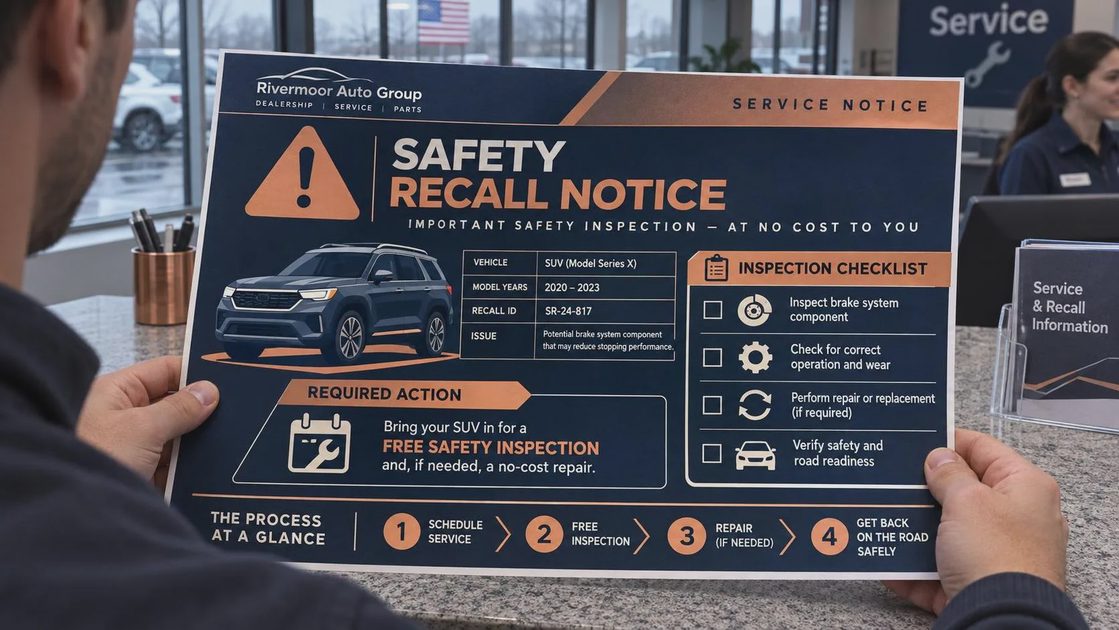
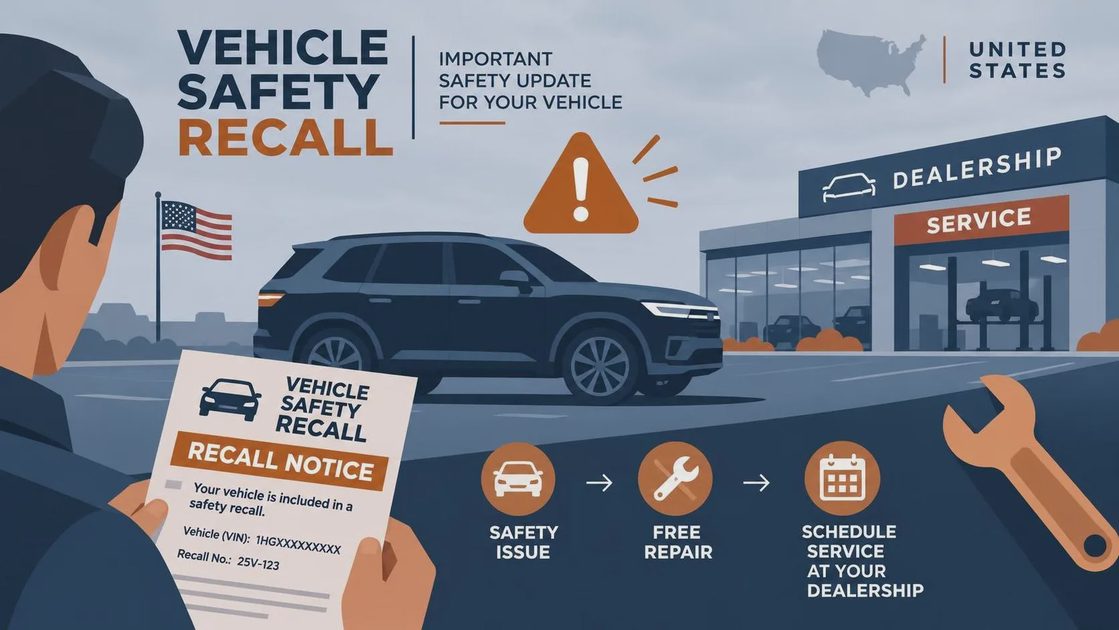
A safety recall means the manufacturer or NHTSA determined that a vehicle or equipment component creates an unreasonable safety risk, or does not comply with a federal motor vehicle safety standard. Ford generally sends an owner letter explaining the risk and the free remedy. The repair can involve a replacement part, inspection, software update, wiring work, or another procedure.
A technical service bulletin is different. A TSB gives technicians a recommended fix for a known symptom or repair pattern, but it is not automatically a free recall repair. Warranty coverage, mileage, age, and the cause of the problem determine who pays. An owner who sees the same issue discussed in a forum should not assume it is a ford explorer recall until an official campaign or VIN result confirms it.
The practical language in a notice is often more useful than the dramatic headline. “Increased risk of crash,” “loss of motive power,” and “fire risk” point to different levels of urgency. If the notice says to park outside, stop charging, avoid driving, or contact Ford immediately, follow that instruction. Do not treat a warning light as a substitute for the recall remedy.
Common trouble spots owners should understand
Explorer campaigns have covered different systems across different generations, so broad claims about “the Explorer” are usually lazy reporting. Depending on the vehicle and campaign, owners could be dealing with steering, braking, seat belts, airbags, fuel delivery, transmission behavior, wiring, lighting, or software. A repair that takes 30 minutes for one campaign could require parts, diagnosis, and a second appointment for another.
That is why a ford explorer recall article should identify the exact campaign number whenever possible. NHTSA recall documents typically describe the component, the defect, the safety consequence, the manufacturer's planned remedy, and an estimated owner notification schedule. Read those details before accepting a seller's claim that a problem is “just a service item.”
If your Explorer has a hard brake pedal, steering difficulty, smoke, a fuel odor, unexpected movement, an airbag warning, or repeated loss of power, stop and assess the immediate risk. Call a Ford dealer before driving it across town. A tow can be a less expensive decision than turning a known safety defect into a collision, even if the tow is initially inconvenient.
What to do after finding an open campaign
Call a Ford dealer with the VIN and campaign number in hand. Ask whether the remedy parts are physically available, how long the repair should take, and whether the service department has placed your vehicle on a parts-hold list. “We know about it” is not the same as “we can repair it today.” Some campaigns launch before replacement parts reach every dealer.
Keep the recall letter, repair order, and mileage record. Recall repairs are generally provided without charge, but unrelated damage, diagnostic work, or repairs caused by neglect can fall outside the campaign. Photograph warning messages and damaged components before service. If a dealer cannot resolve the issue, contact Ford customer service and retain the case number. NHTSA also accepts safety complaints, which can help regulators identify patterns beyond one owner's repair visit.
A ford explorer recall does not automatically mean the SUV is worthless. It does mean the open campaign should be documented before you buy, sell, trade, or take a long trip. Dealers may repair the issue at no cost, but they can delay a transaction while parts or paperwork are pending.
Buying a used Explorer with recall history
A recall history is not the same as a vehicle history full of unrepaired damage. In fact, a completed recall can show that the owner responded responsibly. The concern is an open campaign, missing service records, or a seller who will not provide the VIN. Walk away from any listing that offers only a stock number or a cropped dashboard photo instead of the full VIN.
Run the VIN through both Ford and NHTSA, then compare the results with a vehicle history report and the dealer's repair printout. Check the odometer, title status, accident record, and maintenance invoices. A completed repair should include the campaign number and the date or mileage. If the notice says a remedy is unavailable, price the uncertainty into the deal and ask the dealer to complete the work before money changes hands.
Insurance is another practical question. A recall itself usually does not cancel an auto policy or automatically raise the premium. However, a crash involving an unrepaired safety defect can create complicated claim questions, especially if the driver ignored a clear stop-driving instruction. Liability coverage pays for damage you cause to others, while collision coverage addresses many crash losses to your own vehicle and comprehensive coverage handles non-collision events such as theft or hail. Coverage terms depend on the policy and circumstances.
The bottom line for current owners
Check the VIN today, save the result, and read the remedy instead of relying on a social-media summary. If the search returns no open campaign, keep the confirmation date because recall databases and vehicle records can change. If it returns an open ford explorer recall, schedule the free repair and ask direct questions about parts, driving restrictions, and completion paperwork.
Here's what we know — and here's what we don't: a model name cannot tell you whether your individual SUV is affected, and a completed recall cannot predict every future repair. The VIN lookup, the official notice, and a competent dealer inspection are the useful evidence. For buyers, that process takes minutes and can prevent an expensive surprise. For owners, it is the shortest route from alarming headline to documented fix.
Travellers Write
No letters yet — be the first traveller to write.