The Stellantis Takata airbag recall remains a serious safety issue for owners of older Chrysler, Dodge, Jeep, and Ram vehicles. The affected inflators can rupture during deployment, sending metal fragments into the cabin instead of delivering the protection an airbag is supposed to provide. The repair is free, but owners need to confirm their vehicle's status rather than assume a dealership campaign has already covered it.
Takata's inflator problem was not a routine software recall. The inflators used a propellant that can degrade after years of exposure to heat and humidity. When the airbag fires, excessive force can split the inflator housing. NHTSA has linked the broader Takata defect to deaths and injuries worldwide, making this one of the largest and most consequential safety campaigns in automotive history.
Which Stellantis vehicles may be involved
The Stellantis Takata airbag recall has touched numerous vehicles sold under Chrysler, Dodge, Jeep, and Ram nameplates. Potentially affected models have included older Chrysler 300, Sebring, 200, Town & Country, and Pacifica vehicles; Dodge Charger, Challenger, Dakota, Durango, Journey, and Grand Caravan vehicles; Jeep Liberty, Wrangler, Compass, Patriot, and Grand Cherokee vehicles; and Ram pickups and vans. The precise model years and airbag positions vary by recall campaign.
That list is a starting point, not a final answer. A model can have different inflators depending on its build date, trim level, supplier, and whether it has already received a replacement. Used-car buyers are especially exposed because recall notices follow the vehicle, not the original owner. A truck that changed hands three times can still have an open safety campaign waiting for its fourth owner.
The practical test is the vehicle identification number, or VIN. It is usually visible through the windshield on the driver's side, printed on the registration, and listed on the insurance card. Enter it into the NHTSA recall lookup tool and the official Stellantis recall website. If either system shows an open airbag recall, contact an authorized dealer and ask specifically about parts availability and the remedy status.
Why the Takata defect is dangerous
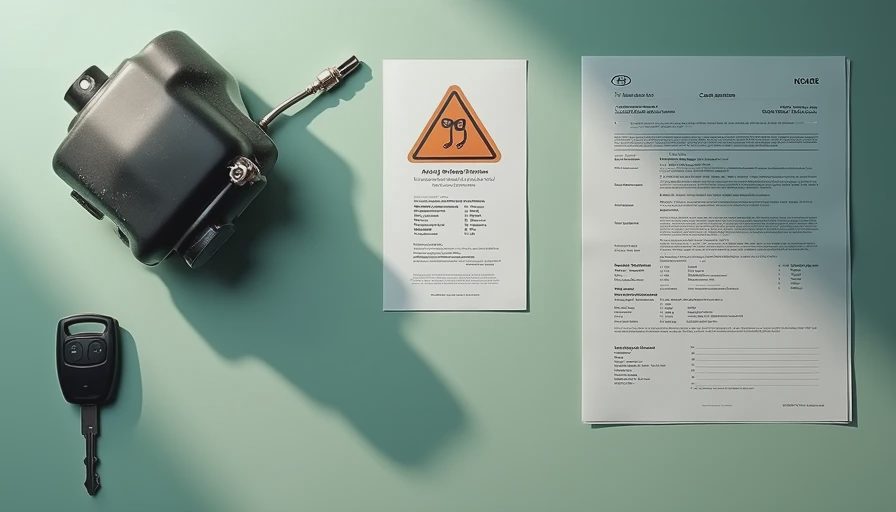
An airbag inflator is a small pressure vessel. In a crash, it uses a controlled chemical reaction to fill the cushion in milliseconds. In affected Takata units, deteriorating propellant can burn too aggressively. Instead of opening as designed, the metal canister may rupture and propel shrapnel toward the occupants.
Heat and moisture accelerate the concern, which is why vehicles operated for years in hot, humid regions received particular attention. That does not make vehicles in Michigan, Colorado, or the Pacific Northwest automatically safe. Age, storage history, and the specific inflator design all matter. The safest approach is to treat an unresolved recall as an immediate repair priority, regardless of the state where the car now sits.
Some campaigns involve the driver airbag, while others involve the passenger airbag or both. A vehicle can also have more than one open recall. Do not confuse an airbag warning light with proof of a Takata campaign: the light indicates a restraint-system fault, while a recall is tied to a defined defect and remedy. Both deserve prompt attention.
What owners should do now
If the Stellantis Takata airbag recall search shows an open campaign, call a franchised dealer before making a long trip. Recall repairs are performed without charge, including parts and labor, even when the vehicle is well beyond its original warranty. Ask whether the replacement inflator is in stock and whether the repair requires a loaner vehicle or special scheduling.
Until the repair is completed, follow any do-not-drive or park-outside instruction in the recall notice. Such instructions can differ by vehicle and inflator type, so read the official notice rather than relying on a social-media post. If a dealer says the campaign is unavailable, ask for the recall number, document the conversation, and contact Stellantis customer assistance or NHTSA's vehicle safety hotline.
Do not attempt a home repair. Airbag modules contain explosive deployment devices and should be handled by trained technicians. A salvage-yard airbag, used module, or online replacement is not a safe substitute for the official remedy. The right repair is free; improvisation is an expensive way to create a second safety problem.

Recall repairs, insurance, and vehicle value
The Stellantis Takata airbag recall is a manufacturer safety campaign, not an insurance claim. An owner normally does not need to file a collision claim or pay a deductible for the recall repair. Comprehensive and collision coverage do not replace the automaker's obligation to remedy a defective component. If a dealer damages the vehicle during service, document the condition immediately and ask the service department how it will handle the issue.
An open recall can affect a used vehicle's negotiating position, but it does not automatically make the vehicle uninsurable. Insurers generally price coverage using factors such as driving history, location, vehicle type, mileage, repair costs, and claims history. Still, an unresolved safety defect is a strong reason to complete the repair before selling, trading, or adding the vehicle to a household policy.
After the repair, keep the dealer's work order with the title and maintenance records. The campaign should eventually show as completed in the manufacturer's database, but records help when a buyer, lender, insurer, or repair shop asks for proof. If the vehicle has been totaled and rebuilt, verify that the restraint system was properly restored before putting it back on the road.
How to verify a used vehicle before buying
A VIN search is the most important step in evaluating a used Stellantis vehicle, but it should not be the only one. Run the VIN through NHTSA, the Stellantis recall portal, and a reputable vehicle-history provider. Ask the seller for service invoices, then compare those records with the recall status. A clean-looking dashboard does not prove that an airbag campaign is closed; warning lights can be cleared, and cosmetic repairs can hide prior deployment.
Inspect the steering-wheel cover and passenger dashboard for uneven gaps, mismatched texture, or fresh trim. Those clues are not conclusive, but they can justify a professional inspection. A dealer can confirm whether replacement modules were installed and whether other restraint-system work remains open.
The Stellantis Takata airbag recall should not automatically end a purchase, because the authorized remedy is generally free. It should, however, delay the deal until the VIN is checked and the repair path is clear. A seller unwilling to provide the VIN or allow a recall search is giving the buyer useful information.
The bottom line for owners
The Stellantis Takata airbag recall is old news only when the specific vehicle's repair is documented as complete. Model lists, online forums, and a seller's reassurance cannot replace a VIN lookup. Check the number today, arrange the free dealer repair, and follow any driving restriction in the official notice.
Here's what we know — and here's what we don't: the broader Takata defect is well documented, but eligibility depends on the individual vehicle and campaign record. That is why the VIN matters. Once the recall is closed, retain the paperwork, compare insurance quotes when your policy renews, and keep treating restraint-system warnings as urgent rather than decorative dashboard lighting.


Travellers Write
No letters yet — be the first traveller to write.