A recall lookup is the fastest way to find out whether a vehicle has an open safety defect tied to its vehicle identification number, or VIN. The check takes a few minutes, costs nothing through the National Highway Traffic Safety Administration, and can uncover an issue that a routine service visit never mentioned. For used-car shoppers, the result is more than paperwork. It is a quick read on whether the vehicle has unfinished safety business.
What a recall lookup actually tells you
The most useful tool is NHTSA's VIN lookup at nhtsa.gov/recalls. Enter the vehicle's 17-character VIN, and the system searches safety recalls reported by automakers and submitted to the agency. Results generally identify the recall campaign, affected component, risk description, remedy, and whether the manufacturer has reported the vehicle as repaired.
A recall is not the same thing as a technical service bulletin, warranty extension, or customer satisfaction program. A safety recall addresses a defect that creates an unreasonable safety risk and typically comes with a no-cost repair at an authorized dealer. A bulletin gives technicians guidance for a recurring issue, but it does not necessarily create a free repair. That distinction matters when a seller says a car has "no recalls" while quietly omitting a costly transmission bulletin.
The VIN is important because recalls can depend on production date, plant, trim, engine, battery pack, or a specific component batch. Searching only by make and model can produce a broad list that does not apply to your car. Read the result closely, especially the campaign number and remedy language. A general internet search is useful for context, but it is not a substitute for a vehicle-specific record.
How to run a reliable recall lookup
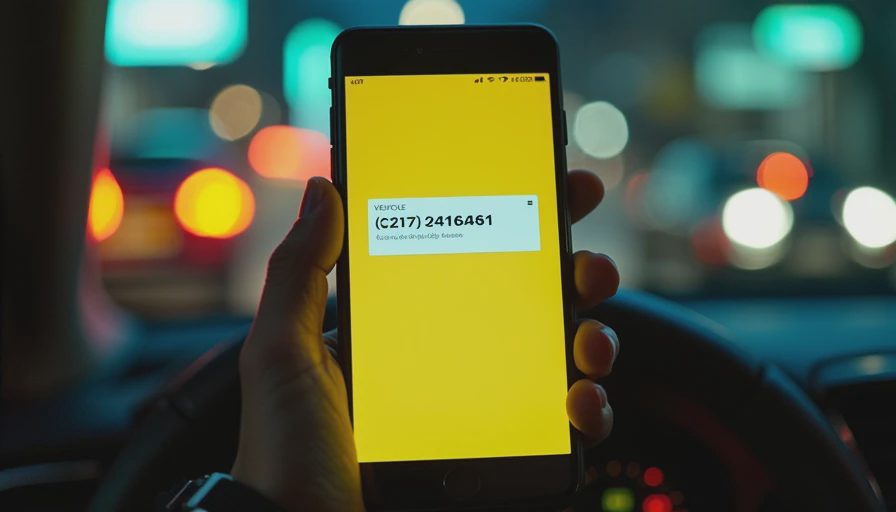
Start with the VIN stamped on the dashboard near the driver's-side windshield or printed on the driver's door-jamb label. Compare it with the title, registration, insurance documents, and vehicle history report. One wrong character can return a clean result for the wrong vehicle. The letters I, O, and Q are not used in standard VINs, which helps prevent some common reading errors.
Run the number through NHTSA first. Then check the automaker's owner portal, because a manufacturer may show campaign details or repair scheduling information that has not yet appeared in the federal database. Ford, General Motors, Stellantis, Toyota, Honda, Hyundai, Kia, Tesla, BMW, Mercedes-Benz, and other manufacturers provide brand-specific owner resources. A franchised dealer can also search its internal system using the VIN.
If the vehicle is imported, recently built, or involved in a newly announced campaign, databases can lag. That does not mean the car is safe from the defect; it means the administrative record may still be moving. Here's what we know — and here's what we don't: an online result is a strong starting point, not a mechanical inspection. If a warning light, burning smell, fuel leak, brake problem, or battery fault is present, stop driving and contact the manufacturer or dealer.
Reading open and completed recall results
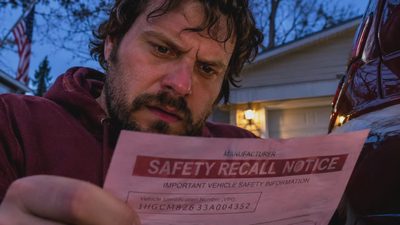
An open recall means the remedy has not been recorded as completed. The repair may be outstanding because the owner never scheduled it, the vehicle changed hands, or replacement parts were unavailable. A completed campaign should show a repair or remedy record, although older work can be missing from a database if it was performed before the vehicle was properly linked to the current owner.
Do not assume every open result requires the same level of urgency. A defective airbag inflator, brake component, steering part, fuel system, or high-voltage battery issue deserves immediate attention and careful compliance with the manufacturer's driving instructions. Some notices tell owners to park outside, avoid charging, limit passenger use, or stop driving entirely. Those instructions are specific to the campaign, so read the official notice instead of relying on a forum summary.
A recall lookup can also reveal that a campaign has no remedy available yet. In that case, the manufacturer has identified the risk but is still developing parts or repair procedures. Keep the notice, monitor the automaker's updates, and ask a dealer to document your contact. The absence of a repair is not permission to ignore the recall; it is a reason to understand the temporary safety guidance.
Why buyers should check before signing
A clean recall lookup is not a clean bill of health, but an open recall is still leverage in a purchase conversation. A dealer should generally arrange an available recall repair at no charge, while a private seller may expect the buyer to handle the appointment. Ask for the campaign number, repair order, and confirmation that the work was completed on that exact VIN.
For example, a used SUV advertised at $24,900 could look attractive until the buyer finds an unrepaired fuel-system campaign, worn tires, and no service records. The recall itself may be repaired for free, but arranging transportation, waiting for parts, or delaying a road trip has real value. Put the repair promise in writing, and do not accept a vague statement that the vehicle is "being taken care of."
A vehicle history report from services such as Carfax or AutoCheck can add context, including reported repairs, title events, and ownership changes. It is not a replacement for a VIN-based recall lookup. History reports can miss work completed at an independent shop or records that were never transmitted, while the federal and manufacturer systems can differ in timing.
Recalls, insurance, and ownership records
An open safety recall does not automatically cancel an auto policy or guarantee a higher premium. Insurers primarily price factors such as driving history, location, vehicle use, coverage limits, claims, credit-based insurance information where permitted, and the vehicle itself. Still, maintaining repair records is smart. A documented remedy can help clarify the timeline if a later claim involves the recalled component.
Comprehensive and collision coverage address different risks from a recall. Collision generally applies to damage from a crash, while comprehensive commonly covers non-collision events such as theft, hail, or falling objects, subject to the policy deductible and exclusions. Neither coverage is a substitute for completing a free safety repair. Liability coverage protects against covered damage or injuries you cause to others, but it does not turn a known mechanical defect into a repaired vehicle.
After buying a used car, save the recall notice, dealer invoice, VIN photograph, and any emails about parts availability. Add a calendar reminder to repeat the recall lookup every few months during the first year, particularly if the vehicle is subject to a fast-moving campaign. New recalls can be announced after the sale, and ownership records do not always update immediately.
The practical checklist
Use this short process before a purchase or long trip:
- Photograph the VIN and verify every character against the title and registration.
- Run a recall lookup through NHTSA and the automaker's official owner site.
- Read the risk, remedy, parts-availability, and driving-instruction sections.
- Call a franchised dealer and ask whether the campaign is open for that VIN.
- Request written confirmation after the repair, including the campaign number.
- Have an independent technician inspect tires, brakes, steering, fluids, and battery condition.
- Store the records with your insurance and maintenance documents.
The point is not to turn every vehicle search into a forensic investigation. It is to spend five minutes before a preventable problem becomes a roadside event. A recall lookup cannot predict every failure, but it can expose unfinished safety work, sharpen questions for a seller, and give an owner a clear next step. In an industry that produces plenty of glossy launch copy, the VIN remains the more useful document.
Travellers Write
No letters yet — be the first traveller to write.